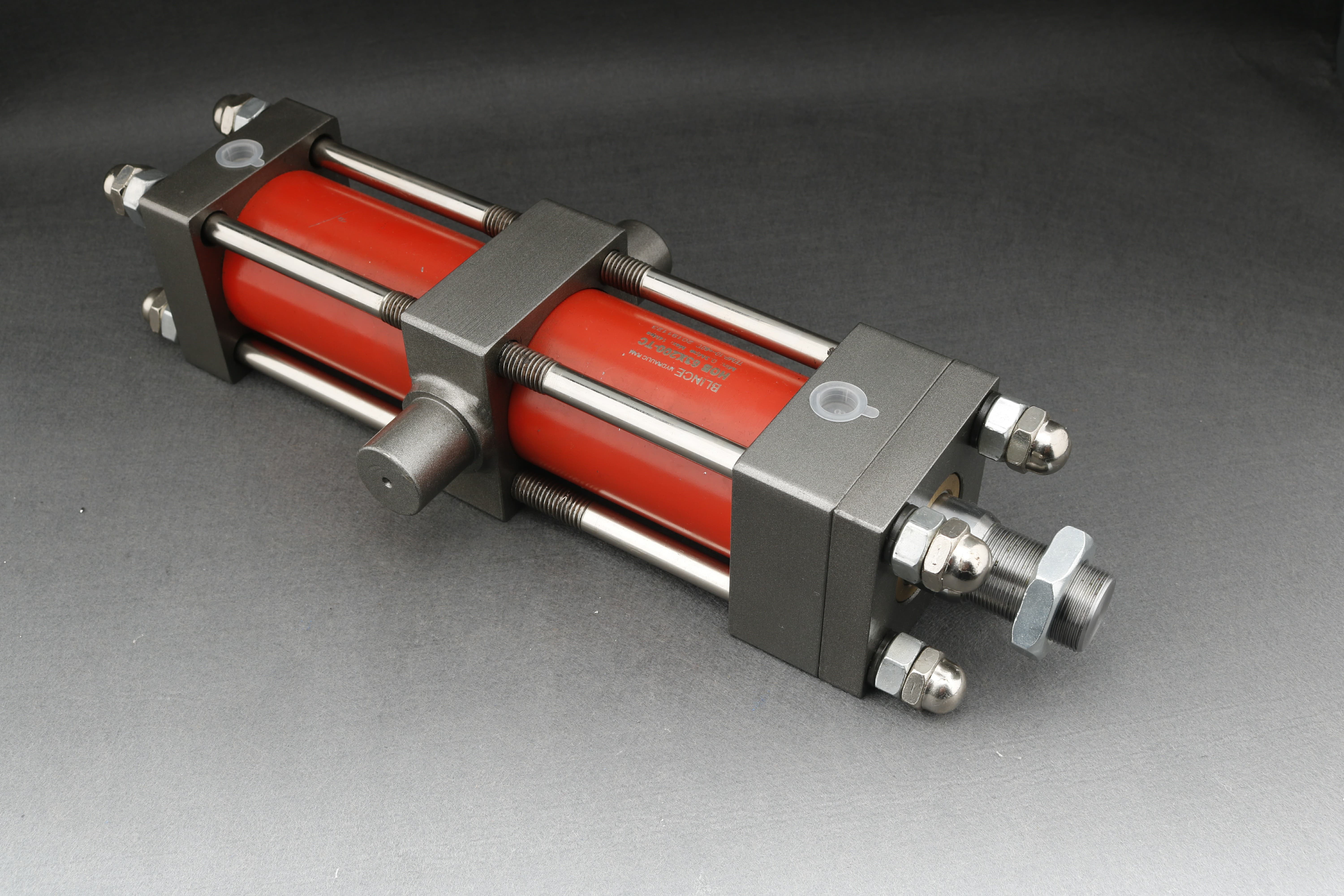
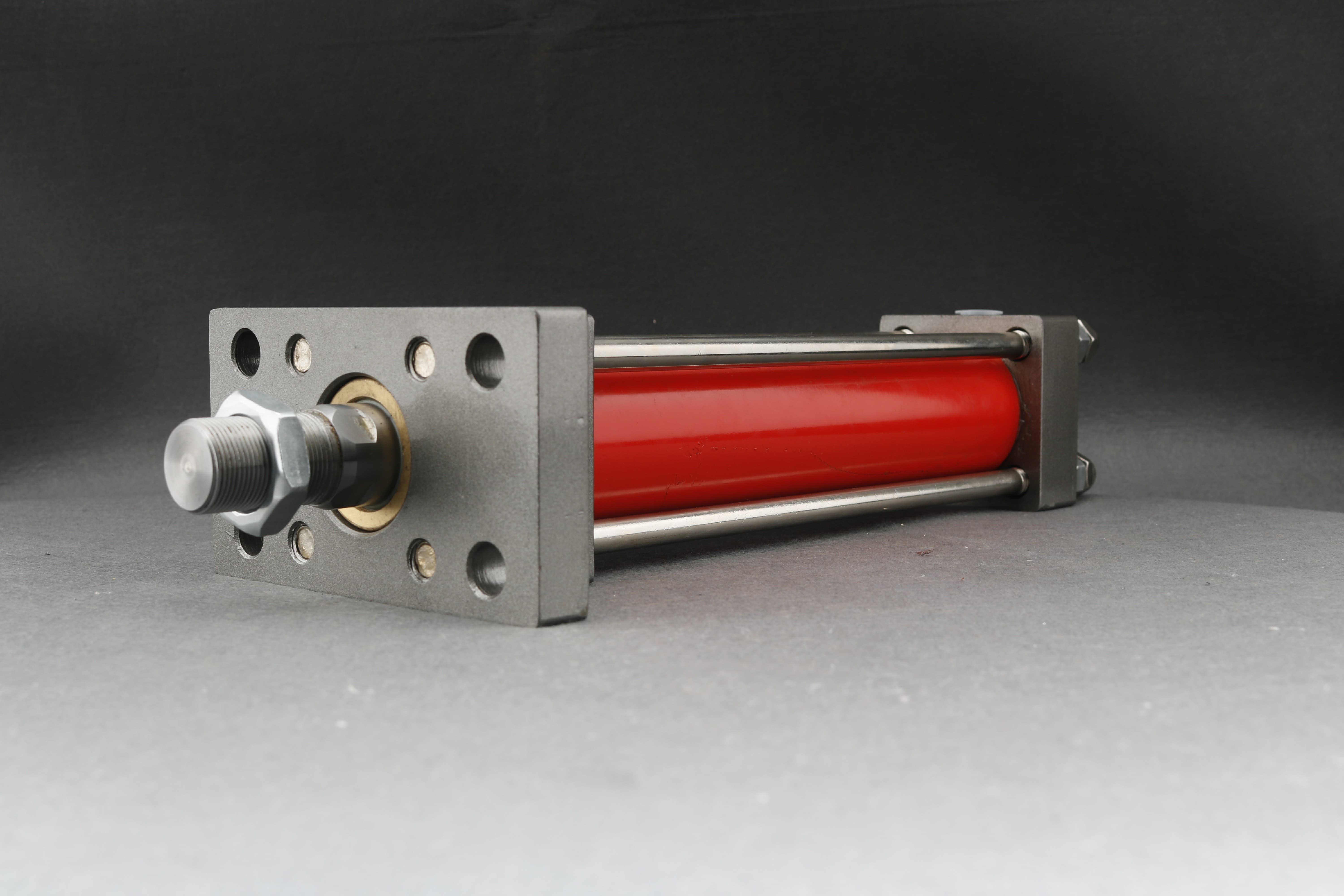
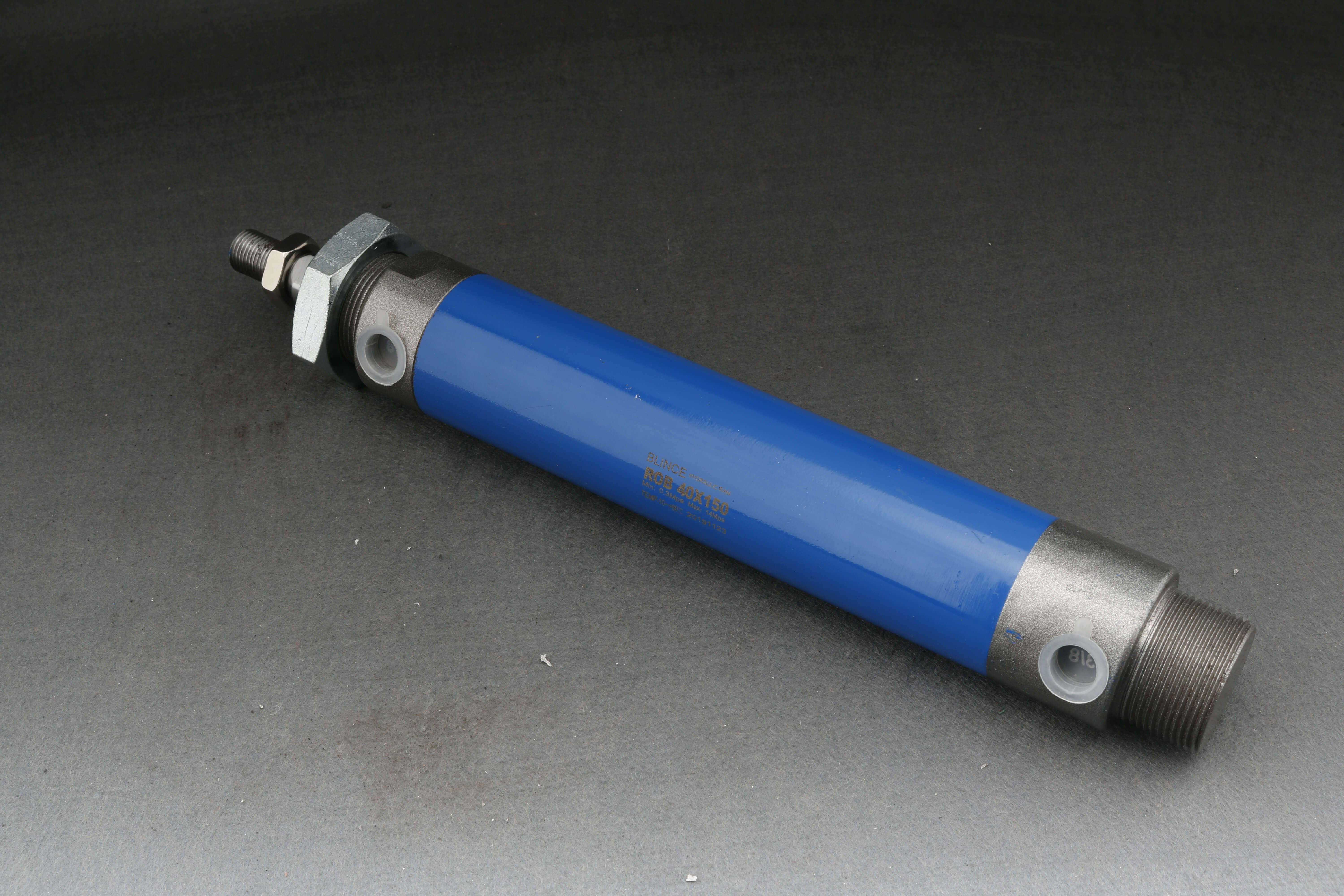
Hydraulic cylinders are critical power components in heavy machinery, but prolonged high-pressure operation often leads to issues like oil leaks and reduced thrust. Instead of opting for an expensive full-cylinder replacement, repairing the cylinder – especially replacing worn seals – is far more economical and can significantly extend service life. For OEMs and equipment manufacturers, selecting the correct hydraulic pump power and maintaining proper control (directional) valves are also key to preventing failures. As a leading hydraulic systems provider, Blince emphasizes proactive maintenance and provides solutions to keep your equipment running smoothly.
Why Replace Hydraulic Cylinder Seals?
Hydraulic oil leaks: Damaged seals allow fluid to escape, causing system pressure to drop.
Insufficient thrust: A worn seal can make the piston rod move more slowly or fail to hold its designed load.
Accelerated wear: Contaminants in the fluid accelerate damage to seals and components, leading to further leaks.
Regular cylinder maintenance and seal replacement not only ensure tight seals but also reduce wasted energy and downtime.
Signs Your Hydraulic Cylinder Needs Maintenance
Visible oil leaks: Fluid dripping from the cylinder body or rod clearly indicates a seal failure.
Reduced lifting or holding capacity: If the cylinder can no longer lift or hold its intended load, the seals may be slipping.
Unusually high oil consumption: A sudden need to refill fluid often points to an internal leak.
Erratic cylinder movement: Jerky, uneven, or pulsating motion during operation signals internal leakage – address it immediately.
In any of these cases, the most direct fix is to inspect and replace the seals.
Tools and Preparation for Cylinder Repair
Tools and supplies: Seal repair kit; fresh hydraulic oil; screwdrivers, wrenches, Allen keys, and a rubber mallet; a container for waste oil; and a clean workbench.
Inspection checklist:
Check that the piston rod is straight (no bending).
Inspect the cylinder bore for scratches or damage.
Ensure the chrome plating on the rod is smooth and free of nicks.
Verify that the new seals match the old ones in size and specification.
Step-by-Step Seal Replacement (8 Steps)
Release pressure: Cycle the control valve to relieve any residual pressure in the cylinder.
Disconnect and drain: Disconnect the hydraulic hoses and fittings, and drain any remaining fluid from the cylinder.
Remove retaining hardware: Secure the cylinder, then remove the pin, nut, or bolt at the end of the piston rod.
Extract the piston rod: Carefully pull the piston rod out of the cylinder, keeping dirt and debris out of the assembly.
Replace seals and O-rings: Remove the old seals on the piston and guide bushing. Clean the grooves thoroughly, then install new seals and O-rings one by one.
Reassemble the piston: Reinstall the piston assembly, using threadlocker on the piston nut or bolt to secure it.
Reinstall the guide bushing: Carefully thread the guide bushing back into place without damaging the threads.
Reconnect and test: Reattach the hoses, refill the cylinder with hydraulic oil, and test the cylinder under pressure to ensure there are no leaks.
Additional Tips to Prevent Leaks
Thorough inspection: During disassembly, inspect all parts carefully and replace any worn or damaged components.
Use the right tools: Specialized tools and fixtures help install seals properly; missing tools can lead to improper assembly.
Correct seal matching: Always use seals that exactly match the cylinder bore and rod dimensions; even small size errors can cause new leaks.
Always test after assembly: After reassembling the cylinder, perform a complete pressure test and functional check before returning the equipment to service.
Get professional help if needed: For complex or large cylinders, consulting experienced technicians ensures the job is done correctly and safely.
Conclusion
The hydraulic cylinder is a critical actuator in any hydraulic system. If you notice oil leaks, prioritize cylinder maintenance rather than blind replacement. Proper seal replacement and repair significantly cut maintenance costs and extend equipment life. If you’re facing persistent leaks, contact Blince’s professional team. Our experienced engineers can quickly diagnose issues and perform efficient repairs, restoring your equipment to like-new condition.
FAQ
Q: What causes hydraulic cylinder failure? Common causes of cylinder failure include contaminated hydraulic fluid, worn or damaged seals, and physical damage to the cylinder itself. Contamination accelerates seal wear and scoring of the piston rod, allowing fluid to leak past the seals. Likewise, an overworked seal or a bent rod can cause internal leaks and loss of pressure.
Q: How do I replace a hydraulic cylinder? To replace a cylinder, first relieve all system pressure and drain the oil. Then disconnect hoses and unbolt or remove the cylinder from its mounting. Install the new cylinder by reversing the removal steps: bolt it securely in place, reconnect the hydraulic lines, and finally test the cylinder under pressure to ensure it operates correctly.
Q: How often should hydraulic cylinder seals be replaced? This depends on operating conditions and usage. Industry experts recommend planning regular inspection intervals based on usage. Change the seals whenever you detect wear signs such as fluid leaks, reduced performance, or overheating. Visible leaks on the rod or housing are clear signals that seals need replacement.
Q: What is a directional control valve, and why is it important? A directional control valve (often simply called a control valve) directs hydraulic fluid through the system. It routes flow to the cylinder’s ports, controlling whether the cylinder extends or retracts. It can also block flow to isolate parts of the circuit during maintenance. Proper valve operation is essential: a malfunctioning valve can starve the cylinder of oil or cause unintended movements.
Q: How can hydraulic cylinder failures be prevented? The key is proactive maintenance. Regularly inspect cylinders and seals, and keep the hydraulic fluid clean. Ensure the hydraulic pump is sized correctly (sufficient pump power) and that filters are in good condition to prevent contamination. Address any sign of a worn seal immediately. Following a planned maintenance schedule significantly reduces the risk of cylinder failure