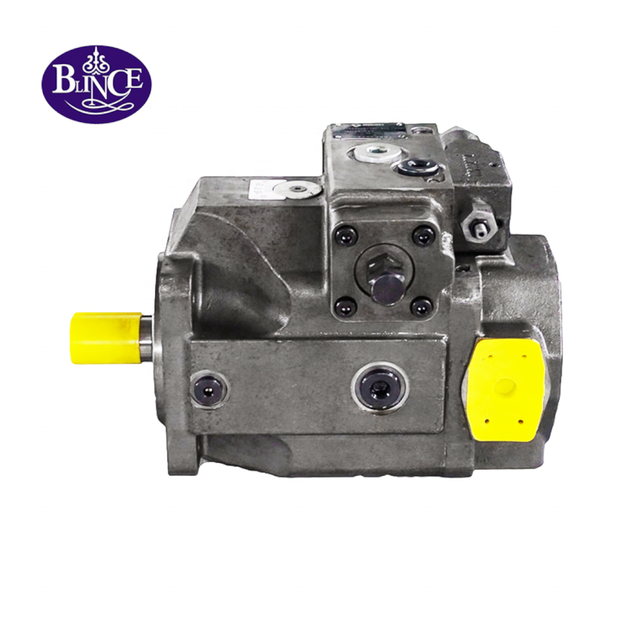
Hydraulic equipment relies on pumps to convert mechanical energy into fluid energy. Among these pumps, variable‑displacement piston pumps stand out for their ability to supply oil on demand, earning them a reputation as the aristocrats of the pump family. In simple terms, a variable‑displacement pump changes its output flow and pressure based on system requirements, improving efficiency and reducing waste. This article introduces the working principles, control types and advantages of variable‑displacement piston pumps, using the structure of a laser‑cutting blog post as a model.
What makes a variable‑displacement piston pump different?
Fixed pumps vs variable pumps
Most oil pumps in everyday machinery are fixed‑displacement devices—gear pumps and vane pumps deliver a constant flow determined by the motor speed. These pumps are relatively simple and inexpensive, but they can waste energy when system demand fluctuates. A fixed‑displacement pump therefore produces excess flow that must be throttled, creating heat and increasing wear.
By contrast, a variable‑displacement piston pumpadjusts the volume of fluid it displaces every rotation. Mechanisms such as swash plates or movable pistons vary the pump’s internal geometry, allowing the pump to change its output flow on demand. The ability to vary flow and pressure makes these pumps ideal for systems where load conditions change rapidly, such as construction equipment, industrial machine tools and even automotive power‑steering systems.
How the swash‑plate mechanism works
Inside a variable‑displacement pump is a swash‑plate (sometimes called a rocker) that tilts relative to the drive shaft. The pistons are arranged around the plate, and as the plate angle increases, the pistons stroke further, increasing pump displacement; as the angle decreases, the stroke and displacement shrink. The swash‑plate angle is adjusted by a control piston acting against a spring or by external control logic. This simple mechanism enables the pump to supply the exact amount of hydraulic fluid required, rather than operating at full capacity all the time.
To further clarify the differences between fixed and variable pumps, the table below summarises their key characteristics.
Pump type
Flow behaviour
Relative cost
Typical heat generation
Suitable applications
Fixed‑displacement pumps (gear or vane)
Constant flow regardless of system demand
Lower
Higher, because excess flow is throttled
Material‑handling machines, conveyors and systems requiring simple, constant flow
Variable‑displacement piston pumps
Adjustable flow and pressure on demand
Higher due to complex design
Lower, because the pump only delivers the required flow
Mobile equipment (cranes, excavators), CNC machine tools and applications requiring precise control
Control modes for variable pumps
Variable pumps can be classified according to how the swash‑plate angle is controlled. The following control modes are common in industry:
Pressure‑controlled pumps
In a pressure‑controlled pump, a heavy spring biases the swash‑plate to maximum displacement. When system pressure exceeds the spring’s force, an internal piston pushes the plate towards a smaller angle, reducing flow and maintaining the set pressure. This simple, self‑regulating mechanism is widely used for constant‑pressure hydraulic circuits.
Power‑controlled pumps
The power‑controlled pump limits the product of pressure and flow (hydraulic power) to protect the prime mover. As system load increases, the control reduces swash‑plate angle to keep the pump within the available power. This approach is essential for mobile machinery where engine output is limited.
Manual, electric and hydraulic control
Some pumps allow direct adjustment of displacement. A manual control pump uses a lever or mechanical linkage to set the swash‑plate angle; an electrically controlled pump employs solenoids or servo drives to adjust displacement in response to electronic commands. A hydraulically controlled pump uses a pilot‑control line to vary displacement; these systems can integrate load‑sensing or closed‑loop circuits for precise control. Choosing the right control type depends on the application’s responsiveness and cost requirements.
Why choose a variable‑displacement piston pump?
Energy efficiency and reduced heat
Hydraulic pumps are often the largest energy consumers in a system. Because variable‑displacement pumps adjust their flow rate and pressure to match real‑time demand, they minimise energy waste. Reduced energy use not only lowers operating costs but also decreases the carbon footprint of the equipment, which is increasingly important for environmentally conscious facilities. Lower flow also reduces heat generation, keeping the hydraulic fluid cooler and extending component life.
Improved control, lower noise and longer life
Variable pumps offer precise control over system behaviour. They can change output quickly to provide fine‑tuned movements for robotics or CNC machines. Because the pump does not work harder than necessary, noise levels are often lower, creating a more comfortable work environment. Reduced heat and optimised flow diminish wear on pump components, leading to longer service life and lower maintenance costs. In applications with frequent load changes, variable pumps reduce mechanical stress and downtime.
Versatility and typical applications
Variable pumps are versatile, serving industrial machinery, mobile equipment and aerospace systems. They are commonly found in cranes, excavators, injection moulding machines, wind‑turbine pitch systems and medical devices. Their ability to adapt to changing demands also makes them suitable for renewable‑energy applications and advanced manufacturing processes.
Selecting the right pump for your system
Choosing between a fixed‑displacement and variable‑displacement pump requires careful analysis of your system’s requirements:
Flow and pressure requirements: Identify the peak and average flow rates and pressures. Variable pumps excel when demands vary widely, while fixed pumps are sufficient for constant‑load systems.
Energy and noise considerations: If energy efficiency and reduced noise are priorities, the variable pump’s ability to adjust flow can deliver significant benefits.
Control complexity: Evaluate whether you need manual, hydraulic or electronic control. Electronic controls can integrate with modern automation systems, providing load‑sensing and proportional control functions.
Budget and maintenance: Variable pumps have higher upfront costs and require precise manufacturing, but their long‑term savings in energy and maintenance may offset the initial investment.
Conclusion
Variable‑displacement piston pumps are sophisticated devices that supply the right amount of hydraulic fluid exactly when it is needed. By varying the swash‑plate angle, these pumps adjust output flow and pressure to match system demands. Their advantages include energy efficiency, reduced heat generation, quieter operation, longer component life and versatility across industries. Although they come with higher purchase costs, the long‑term benefits often justify the investment—especially in applications requiring precise control or variable load handling.
For engineers and operators in Los Angeles and beyond, understanding the principles and benefits of <span style="color:blue">variable‑displacement piston pumps</span> can lead to smarter equipment choices and more sustainable hydraulic systems.