Hydraulic cylinders are the muscle of heavy machinery – when they fail, productivity grinds to a halt. While complex repairs are often best left to professionals, there are times when technicians and equipment owners need to remove a cylinder themselves. Doing so safely and methodically is crucial to avoid injury, contamination and costly damage. This guide lays out the step‑by‑step process for disassembling a hydraulic cylinder, inspecting and cleaning components, selecting and installing seals for reassembly, and testing the unit before it goes back to work. It also highlights preventive maintenance practices and the importance of choosing reliable components from a supplier.
1. Understanding When and Why to Disassemble
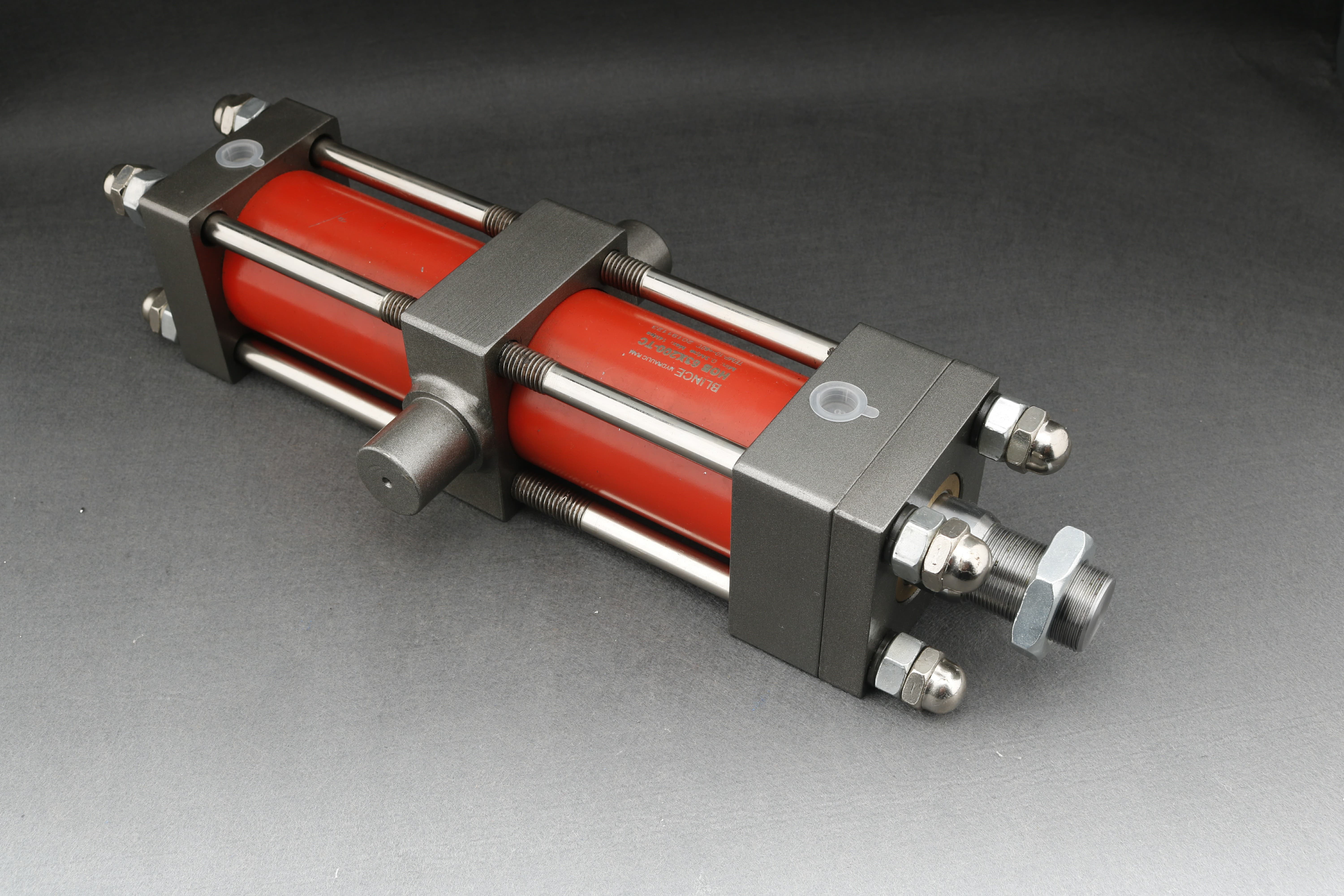
Hydraulic cylinders control movement in excavators, presses, industrial machinery and countless other applications. Over time, seals wear, rods corrode and internal surfaces become scored; disassembly is required to diagnose and fix the root cause. Coastal Hydraulics notes that a breakdown can bring a business to a standstill and that sometimes customers need to undertake a teardown themselves. Proper disassembly not only removes damaged parts but also allows thorough cleaning, measurement and inspection so you can decide whether to repair or replace components.
2. Safety and Preparation
Before touching the cylinder, de‑pressurise the hydraulic system completely and lock out the machinery. Pressurised fluid can escape at high velocity and cause serious injury. Wear appropriate personal protective equipment – safety glasses, steel‑toe boots and oil‑resistant gloves – and prepare the work area with drip pans and absorbent materials to handle inevitable oil spills. For best results, clean the cylinder’s exterior to remove dirt, mud and debris; experienced repairers point out that cleaning external surfaces helps prevent contamination from entering during disassembly.
3. Step‑by‑Step Disassembly
Secure the cylinder properly. Place it on a teardown bench or support it with overhead cranes, heavy‑duty strap wrenches or nylon slings. Avoid using a vice or pipe wrench on the barrel or chrome rod; the teeth will deform these surfaces.
Drain the oil. Remove port plugs and drain hydraulic fluid into a suitable pan. Stroking the rod back and forth helps push oil from the bore.
Remove glands, end caps and rods. Cylinders may use threaded or retaining‑ring glands; a spanner or similar tool is often necessary. As you release the gland, slowly pull out the rod assembly. Support the rod to prevent the heavy piston from scratching threads or honed surfaces. On professional benches, technicians remove seals carefully and keep them for later analysis.
4. Inspection and Evaluation
With the cylinder apart, thorough inspection determines whether repair is viable. Coastal Hydraulics advises checking the chrome rod for pitting, scratches or bending, and inspecting the barrel with a flashlight to look for scoring. In professional shops, technicians measure bore taper and ovality, inspect the rod’s straightness and chrome, check pistons for cracks and groove damage, and examine bearings, guide rings and glands for wear. They may perform non‑destructive tests such as magnetic particle or ultrasonic inspection to detect hidden flaws. The goal is to determine whether damaged parts can be machined or must be replaced.
5. Cleaning and Surface Restoration
Proper cleaning is essential. Coastal’s team uses a solvent compatible with the hydraulic fluid to remove sludge and dirt from metal parts, then dries them with compressed air while avoiding lint‑shedding rags. Professional repairers emphasise cleaning components before they even begin disassembly and keep them clean throughout the process. If surfaces are scored or worn, cylinder specialists may hone the bore to restore the cross‑hatch pattern and produce a proper oil‑retaining surface, or they may straighten and grind rods back within tolerance. Advanced treatments such as hard chrome plating, sulphamate nickel or laser cladding can rescue components that would otherwise be scrapped.
6. Seal Selection and Clean Reassembly
Reassembly is not simply the reverse of disassembly. Replace the entire seal package rather than reusing old seals – reuse is a primary cause of repeated failures. Lubricate new seals with clean hydraulic fluid so they slide into place without twisting or tearing. Professional rebuilders select seal materials (NBR, FKM, PU, PTFE, etc.) based on operating temperature, fluid compatibility and pressure. They use specialist tools to install seals without cuts or overstretching, fit guide rings, wear bands and wipers in the correct sequence and torque glands and end caps to manufacturer specifications while checking alignment and concentricity. Keep everything scrupulously clean; contamination introduced during reassembly is the major cause of premature failure. When the piston and rod assembly are reinserted, use a piston ring compressor or sizing sleeve to compress the seals so they slide smoothly.
7. Pressure Testing and Functional Checks
A repaired cylinder should never be returned to service untested. After reassembly, perform hydrostatic pressure testing at up to 1.5× the working pressure. Check for both external and internal leakage, and perform drift tests to see whether the cylinder holds position under load. For double‑acting cylinders, check both chambers and run the cylinder through its full stroke under load to ensure smooth operation. Only once the cylinder passes these tests should it be reinstalled.
8. Preventive Maintenance and Fluid Cleanliness
The best repair is one you never need. A simple preventive maintenance routine dramatically extends cylinder life. Daily checks should look for external leaks around rods, ports and hoses, wipe rods clean to prevent dust ingress, listen for unusual noises and monitor hydraulic oil temperature and levels. At scheduled intervals, inspect rods for scoring or rust, examine mounting pins and bushes for wear or misalignment, inspect hoses and fittings for cracking or leaks, and conduct oil sampling with ISO 4406 particle counts.
Fluid cleanliness is equally important. Contamination causes most hydraulic failures. Store and handle oil correctly, keep drums sealed and clean, use quality filtration and change filters regularly. Clean fill points, breathers and reservoir lids, use lint‑free rags and clean tools, and monitor cleanliness levels to adjust filtration.
9. When to Call the Professionals
With proper tools, procedures and patience, dismantling a hydraulic cylinder is straightforward. However, if the bore is severely scored, rods are bent or corroded, or you lack the equipment for precision machining and testing, it’s time to engage a specialist. Avoid quick fixes – superficial seal swaps or unmeasured straightening – which often lead to bigger problems like shortened component life, repeated breakdowns, safety risks and damage to other hydraulic parts. Professional repairs deliver restored performance, longer service life and reduced downtime. Experienced technicians treat each disassembly like a forensic investigation, looking for the root cause of failure.
10. Choosing High‑Quality Components and Trusted Partners
No matter how carefully you disassemble and reassemble a cylinder, the reliability of your system depends on component quality. Precision‑made hydraulic motors, pumps and valves with tight tolerances maintain efficiency over time. This is where a trusted supplier makes a difference: Blince Hydraulic is known worldwide for reliable, high‑performance components. The company manufactures a full range of orbital motors, piston pumps, directional and relief valves and turnkey hydraulic systems. Blince focuses on mid‑ to high‑end markets and exports to over 100 countries, with products carrying ISO 9001 and CE certifications. The emphasis on precision engineering means minimal internal leakage and robust performance under load. Blince also offers expert technical support for system design and troubleshooting – a valuable resource when diagnosing failures or specifying replacements. By partnering with a reputable manufacturer, procurement professionals and OEM engineers can be confident that their components will perform as expected and that any issues will be addressed with solid engineering support.
Conclusion
Disassembling a hydraulic cylinder safely is a structured process: de‑pressurise, prepare and clean the workspace; secure the cylinder correctly; drain oil and remove glands and rods with suitable tools; inspect, measure and clean components thoroughly; select and install the right seals with care; perform rigorous testing; and commit to preventive maintenance. When severe damage or complexity is encountered, professional repair is the safer, more cost‑effective choice. Finally, the longevity of your hydraulic system depends on high‑quality components and knowledgeable support – reasons why many engineers choose Blince Hydraulic for their motors, pumps and valves.
FAQ
Why shouldn’t I clamp the cylinder barrel or chrome rod in a vice or pipe wrench?
Traditional vises and pipe wrenches have serrated jaws that can crush or mar the cylinder barrel and chrome rod. Use a teardown bench, strap wrenches or slings to secure the cylinder.
Which parts should always be replaced during reassembly?
Replace the entire seal package rather than just individual seals – reusing old seals is a common cause of recurrent failures. Select seal materials appropriate for your application and install them with specialist tools to avoid damage.
How do I know when professional repair is needed?
If you observe severe scoring, bent rods, corrosion or cannot achieve proper machining tolerances, professional intervention is advisable. Specialists have equipment for surface restoration, non‑destructive testing, precision reassembly and pressure testing.
What routine checks extend hydraulic cylinder life?
Daily checks should look for external leaks, keep rods clean and monitor oil temperature and levels. Regular inspections should examine rods, mounts, hoses and fluid cleanliness, including ISO 4406 particle counts. Cleanliness during maintenance – from the rags you use to how you store oil – is critical.
By following these guidelines and partnering with a trusted supplier, you can safely disassemble, repair and reassemble hydraulic cylinders, ensuring they deliver reliable service and power for years to come.


