Hydraulic systems are the heartbeat of modern industrial and mobile machinery. From construction vehicles to factory automation, they generate power through fluid motion. But all that energy creates heat, and if it’s not managed properly, it can reduce efficiency, cause premature wear, or even lead to system failure. That’s where a hydraulic cooler comes into play.
A hydraulic cooler is a specialized heat exchanger designed to remove excess heat from hydraulic fluid, keeping your system running smoothly. Selecting the right cooler, installing it correctly, and maintaining it properly are crucial steps to ensure your hydraulic system operates efficiently under all conditions. In this guide, we’ll cover everything from cooler types and sizing to installation, maintenance, and key efficiency considerations, helping you make informed decisions for your hydraulic equipment.
Factors to Consider When Selecting a Hydraulic Cooler
Hydraulic systems generate heat during operation. They need proper cooling to maintain efficiency and avoid damage. Without a cooler, oil can reach high temperatures, causing seals to leak, hoses to soften, or pumps to fail.
When choosing a cooler, consider these factors:
Fluid type: Oil-based, water-based, and synthetic fluids have different heat capacities and viscosities. Oil coolers must match the fluid to prevent overheating or reduced efficiency.
Operating environment: Hot, dusty, or humid locations affect cooler performance. For example, a dusty construction site may require frequent cleaning or protective screens.
Flow rate: The hydraulic system’s flow rate dictates cooler size. Undersized coolers overheat; oversized coolers waste energy.
Material: Aluminum, steel, and composite affect heat transfer efficiency, weight, and corrosion resistance. Aluminum is lightweight and dissipates heat well, while steel is stronger for industrial setups.
We usually check both the maximum input power and historical heat generation data to determine the cooling requirements. This ensures the cooler can handle worst-case conditions without underperforming.
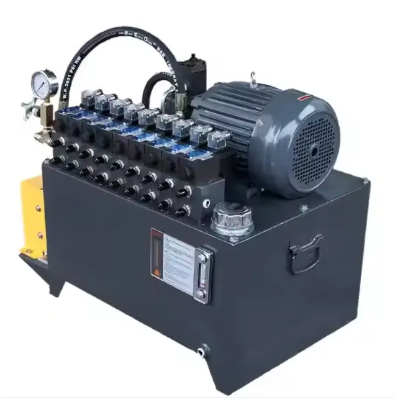
Types of Hydraulic Coolers and Their Applications
Hydraulic coolers mainly come in three types, each designed for specific applications. Choosing the right type saves energy, prevents downtime, and improves equipment lifespan.
Air-Cooled Oil Coolers
Use fans and ambient air to dissipate heat.
Ideal for mobile machinery, like tractors, forklifts, and construction trucks, where water is scarce or unavailable.
Benefits: low operating cost, minimal maintenance, no water supply needed.
Water-Cooled Oil Coolers
Use water from the facility or external sources to carry away heat.
Perfect for factories, plants, and industrial equipment requiring continuous heavy-duty cooling.
Benefits: high cooling efficiency, capable of handling large heat loads, stable temperature control.
Plate Heat Exchangers
Use multiple plates to transfer heat efficiently.
Easy to maintain; individual plates can be removed for cleaning or replacement.
Good for low-viscosity fluids and systems needing both cooling and heating.
Pro Tip: Air-cooled models suit mobile or remote locations. Water-cooled models shine in industrial setups. Plate heat exchangers are ideal for precise, high-efficiency needs.
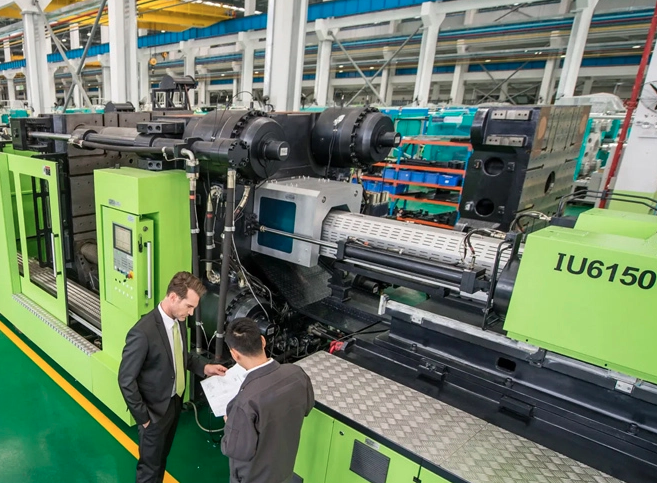
Understanding Cooling Capabilities and Efficiency Ratings
Not all coolers remove heat equally. Efficiency depends on design, material, and fluid conditions.
Design: Fins, plate spacing, and airflow determine heat transfer rate. Proper design ensures oil cools fast even under high loads.
Material: Aluminum, copper, and stainless steel conduct heat differently. Copper is excellent for thermal transfer; aluminum is lightweight.
Flow and viscosity: High-viscosity fluids require more robust coolers. Operating temperature changes can alter viscosity, affecting cooling efficiency.
| Cooler Type | Cooling Capacity (BTU/hr) | Material | Efficiency | Warranty |
| Aluminum | 20,000 | Aluminum | 85% | 3 yrs |
| Steel | 25,000 | Steel | 90% | 4 yrs |
| Composite | 15,000 | Composite | 80% | 2 yrs |
| Copper | 30,000 | Copper | 95% | 5 yrs |
| Hybrid | 22,000 | Mixed | 88% | 3 yrs |
Extra features can improve performance: fan assist, larger surface areas, or optimized core designs enhance heat dissipation, especially in harsh environments.
Sizing Your Hydraulic Cooler: Importance of Proper Dimensions
Properly sizing a hydraulic cooler is critical for system performance. An undersized cooler can’t dissipate heat fast enough, which may lead to overheating, reduced component life, and unexpected shutdowns. On the other hand, oversized coolers often waste energy, take up unnecessary space, and add extra cost without significant performance benefits. Understanding your system’s flow and heat load is the key to finding the right balance.
Flow Estimation for Cooler Placement
Correct flow estimation ensures that the cooler receives the right volume of oil to maintain optimum temperature. Consider these typical placement options:
1. Return Line Placement
Return line placement is common in open-loop systems. The flow through the cooler is calculated as the total system flow minus any drain flows. This ensures the cooler handles the oil returning from all hydraulic functions operating simultaneously. Accurate calculation avoids situations where too little oil passes through, causing localized overheating.
2. Drain Line Placement
Drain line placement is typical in closed-loop systems. Here, the flow is estimated based on drain flow from all system components, adjusted for their volumetric efficiency. Correct sizing prevents excessive pressure drop, which could damage sensitive pumps or motors and reduces the risk of back pressure affecting system performance.
3. Separate Loop Installation
A separate loop can be used in both open- and closed-loop systems. This method allows additional downstream filtration or precise flow control. First, calculate the heat to be rejected, then use vendor performance curves to determine the flow required through the cooler. Finally, select a loop pump to provide the correct flow. This approach ensures consistent cooling even under peak system loads.
Using Manufacturer Curves for Selection
After estimating flow, the next step is to reference manufacturer performance curves. Picking a cooler model near the center of the curve provides a safety margin and ensures balance between heat dissipation, flow, and energy efficiency. Avoid selecting a model at the extremes of the curve; under these conditions, the cooler may overheat or operate inefficiently.
Installation and Maintenance Tips for Optimal Performance
Even the best hydraulic cooler cannot deliver optimal performance if installation or maintenance is neglected. Correct setup, regular inspection, and proper cleaning help extend the cooler’s lifespan, improve heat dissipation efficiency, and prevent unexpected system downtime. Following these practical tips ensures your hydraulic system operates reliably under heavy workloads and varying environmental conditions.
Installation Guidelines
1. Ideal Location
When installing a hydraulic cooler, choose a shaded and well-ventilated area. Exposure to direct sunlight or placement near hot engine components can significantly increase oil temperatures and reduce cooling efficiency. Avoid cramped spaces with restricted airflow, as they can limit the cooler’s ability to dissipate heat. For mobile machinery like tractors, construction vehicles, or forklifts, ensure the cooler is protected from dust, mud, or debris while still allowing unrestricted air movement. Proper positioning enhances the hydraulic cooler’s thermal performance and helps maintain consistent fluid temperatures during operation.
2. Secure Mounting
Vibration and movement are common in mobile and industrial applications, and they can damage the fins, hoses, or fan motors of a hydraulic cooler. Use robust mounting brackets and, if necessary, vibration-damping components to reduce mechanical stress. Make sure the cooler is level and mounted away from areas prone to shocks or impacts. A securely mounted hydraulic cooler not only maintains consistent airflow but also prevents premature wear and unexpected system failures.
Inspection and Monitoring
1. Visual Checks
Regular inspection of the hydraulic cooler is essential. Look for leaks, corrosion, loose bolts, or bent fins, which can all degrade performance over time. Even minor damage can escalate, reducing heat transfer efficiency and risking overheating of the hydraulic system. Consistent visual checks allow early detection of issues and reduce costly downtime.
2. Electrical Components
Fan-assisted hydraulic coolers rely on functional electrical components for optimal airflow. Check fan motors, wiring, and electrical connections frequently. Loose or corroded wiring can compromise fan operation, leading to uneven cooling and potential overheating in localized areas. Ensuring electrical integrity is critical for maintaining the cooler’s efficiency and protecting sensitive hydraulic components.
Cleaning and Oil Management
1. Fins and Surfaces
The heat dissipation capacity of a hydraulic cooler depends heavily on clean fins and surfaces. Dust, oil, or debris can drastically reduce heat transfer. Use compressed air, soft brushes, or low-pressure water to remove buildup while avoiding bent fins, which can restrict airflow. Clean, unobstructed surfaces allow the cooler to operate at peak efficiency, even in dusty or harsh environments.
2. Hydraulic Oil Levels
Maintaining the correct hydraulic oil level is equally important. Low fluid levels reduce heat transfer, stressing the cooler and other hydraulic components. Regularly check oil for contamination or viscosity changes, as these can impact cooling efficiency and system performance. Proper fluid management ensures the hydraulic cooler works effectively, protects pumps, valves, and actuators, and maintains consistent system temperatures under load.
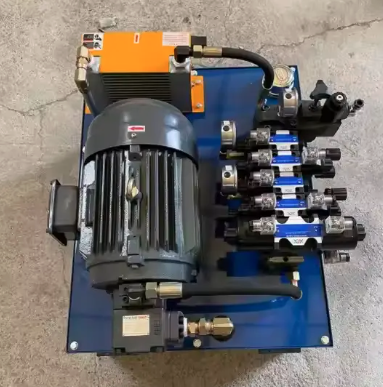
Cost vs. Quality: Making Smart Investment Choices
Choosing a cooler is not just about price. Long-term value depends on efficiency, reliability, and maintenance needs.
High-quality materials → longer lifespan, fewer breakdowns.
Lighter coolers → better for mobile machinery; reduces strain on mounts.
Total cost of ownership = initial price + maintenance + potential downtime costs.
| Investment Factor | Consideration |
| Material | Aluminum, Copper, Steel, Composite |
| Efficiency | Heat transfer rating, airflow design |
| Weight | Lighter suits mobile systems |
| Pressure Drop | Low drop protects pumps and valves |
| Warranty & Support | Manufacturer support improves ROI |
Studies show investing in quality coolers can save up to 25% in long-term maintenance and energy costs.
FAQs
Q1: Why do hydraulic systems need coolers?
Hydraulic systems generate heat during operation, and coolers prevent overheating, protect components, and maintain efficiency.
Q2: How does the type of fluid affect cooler selection?
Different fluids have unique heat capacities and viscosities; selecting a cooler that matches the fluid ensures optimal cooling and prevents damage.
Q3: What role does the operating environment play?
Hot, dusty, or humid environments reduce cooler efficiency and may require protective screens, additional cleaning, or durable materials.
Q4: How do I determine the correct cooler size?
Consider system flow rate, heat load, and placement. Use manufacturer performance curves and adjust for viscosity and ambient conditions.
Q5: What is the total cost of ownership for a cooler?
It includes the initial purchase price, maintenance costs, energy efficiency, and potential downtime savings. High-quality coolers may cost more upfront but save money over time.
Conclusion
Investing in a high-quality hydraulic cooler is not just about preventing overheating—it’s about extending the lifespan of your hydraulic components, improving energy efficiency, and minimizing downtime. Proper selection, installation, and maintenance ensure that your system operates reliably, whether in harsh industrial environments or mobile machinery applications.
For companies seeking dependable hydraulic solutions, Dongguan Blince Machinery & Electronics Co., Ltd. offers a range of high-performance hydraulic coolers tailored to meet diverse system requirements. Their products combine advanced engineering, durable materials, and efficient design to keep hydraulic systems running at optimal temperatures. Choosing the right cooler from a trusted provider ensures peace of mind, long-term performance, and excellent return on investment.


