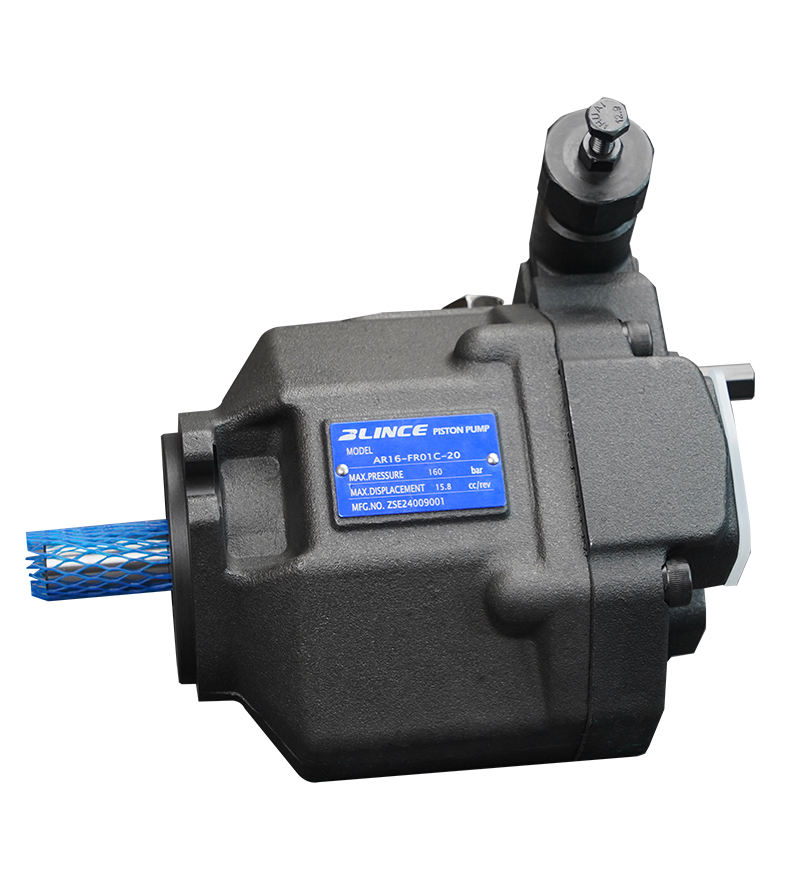
Have you ever wondered what happens if a hydraulic pump runs backwards? This simple mistake can cause low pressure, leaks, or machine damage. In this article, we explore why rotation matters, the risks of reverse operation, and how to handle it safely. You will learn how gear, vane, and piston pumps behave and how Blince hydraulic pumps provide reliable performance when installed correctly.
Understanding Hydraulic Pump Operation
What is a Hydraulic Pump and How Does It Work?
A hydraulic pump is basically the engine that makes your system move—it converts mechanical energy into hydraulic energy, pushing fluid through the system to generate pressure. Think of it as the heart of your machinery: without it, nothing flows, nothing works. They are used everywhere, from construction excavators to industrial presses. The way a pump moves fluid depends on carefully designed internal components, and even small misalignments can affect performance, efficiency, and lifespan.
Hydraulic pumps come in three main types, each suited for different tasks:
Gear Pumps – Simple, compact, and reliable. They provide steady flow, but can get noisy at higher pressures. Perfect for mobile machinery, conveyors, and general industrial use.
Vane Pumps – Smooth operators. They reduce noise and vibration, thanks to vanes that adjust automatically under pressure. Ideal for medium-to-high pressure systems like injection molding or hydraulic presses.
Piston Pumps – Heavy-duty champions. Can handle high pressures and precise flow requirements. Great for construction, heavy equipment, and any system that demands tight control.
The direction in which a pump spins is not just a detail—it controls the oil path. Oil enters the inlet, gets pressurized, and exits through the outlet. If the pump spins the wrong way, it can’t generate proper flow or pressure. You may see cavitation, irregular output, or even internal damage if ignored.
Why Rotation Direction Matters in Hydraulic Pumps
Getting rotation right is crucial. It directly affects flow, pressure, and efficiency, and ignoring it can turn a reliable system into a headache.
Flow Issues – Reversed rotation can push fluid the wrong way. Cylinders move slowly, actuators stall, and motors don’t get enough power. Everything feels sluggish.
Seal & Bearing Risks – Seals designed for forward pressure may leak. Bearings may starve of lubrication, causing heat and accelerated wear.
Noise & Vibration – Incorrect rotation creates turbulence inside the pump. Vane and piston pumps may hum, rattle, or vibrate excessively.
Efficiency Drop – Even if the system seems to work, reversed pumps deliver lower flow and pressure, wasting energy and stressing components.
They must spin correctly to perform reliably. Always check the motor or drive rotation before coupling. Even a slight reversal can cascade into bigger problems. By taking the time to ensure proper rotation, your hydraulic pump delivers the flow, pressure, and reliability your system depends on—keeping your machines running efficiently and your downtime to a minimum.
Can a Hydraulic Pump Run Backwards?
Theoretical Possibility of Reversing a Hydraulic Pump
Technically, some hydraulic pumps can run backwards, but it depends heavily on the pump type and internal design. Gear pumps, for example, are mechanically simple and may tolerate brief reverse rotation, but continuous use can cause wear and leakage. Vane pumps rely on vanes sliding inside a cam ring, and reversing them can disrupt pressure balance, leading to uneven flow or internal stress. Piston pumps are even more sensitive—especially variable displacement models—because their swash plates and control mechanisms are designed for a specific rotation direction.
Reverse operation may be possible if:
The pump design includes bidirectional rotation or dual port options.
Seals and bearings are rated for pressure from both sides.
The system allows internal lubrication to function in either rotation.
Even when technically feasible, reverse operation should only be attempted after confirming manufacturer specifications.
Risks and Consequences of Running a Pump Backwards
Running a hydraulic pump in the wrong direction is not just a minor inconvenience—it can compromise the entire system. The most common issues include:
Low Pressure & Unstable Flow – Actuators may move slowly or erratically. Pressure spikes may occur, causing unpredictable system behavior.
Seal Damage & Internal Leakage – Seals designed for forward flow can fail, leading to internal oil leaks and contamination.
Lubrication Issues & Accelerated Wear – Bearings and bushings may not get adequate oil flow, causing heat buildup and faster component deterioration.
Noise, Vibration & Overheating – Internal turbulence and cavitation generate unusual noise, vibrations, and heat, stressing the pump and connected equipment.
Signs Your Hydraulic Pump May Be Running Backwards
Detecting reverse operation early can prevent serious damage. Watch for these warning signs:
Unusual Noise or Vibration – Humming, rattling, or vibration that wasn’t there before startup.
Low System Pressure or Weak Actuator Response – Hydraulic cylinders may hesitate or motors may fail to reach expected speed.
Oil Foaming, Leaks, or Overheating – Air in the system, visible leaks, or rapidly rising oil temperature are clear indicators.
Paying attention to these signs can help you avoid costly repairs and maintain hydraulic pump reliability.
How to Safely Handle Reverse Pump Operation
Checking Pump Specifications Before Installation
Before you hook up a hydraulic pump, take a few moments to check the nameplate and model code. They tell you the rotation direction, maximum pressure, and displacement—details that are easy to overlook but critical for smooth operation. Even experienced technicians sometimes mix up ports or assume direction doesn’t matter.
Also, inspect the port arrangement carefully. Inlet and outlet ports are often designed for a specific rotation. Swapping them can cause cavitation, leaks, or uneven flow. Don’t forget the relief valve orientation. A valve that only protects one flow direction won’t stop damage if the pump spins backwards unexpectedly. Paying attention to these details now can save hours of troubleshooting later.
System Design Considerations for Reverse Rotation
Some systems are designed for bidirectional flow, but most are not. Before thinking about reversing a pump, you need to consider:
Internal lubrication paths – Bearings and bushings rely on proper oil circulation. If flow reverses, lubrication may fail, causing heat and wear.
Pressure protection – Make sure relief valves and overpressure safeguards can handle reverse flow. Without this, you risk damage to both the pump and the hydraulic system.
By thinking ahead, you make sure the pump and system stay reliable, even if operations require tricky setups.
Best Practices for Installing a Hydraulic Pump
Installation isn’t just about bolting a pump in place. A few careful steps can prevent big problems later:
Confirm motor rotation – Rotate the motor or drive slowly to ensure the pump spins the correct way. Small mistakes here can cause big headaches.
Start at low load – Begin operation slowly while monitoring pressure, flow, and temperature. You catch issues early and protect the pump.
Reach out to technical support – If you’re uncertain, contact Blince or your pump supplier. They can verify rotation, porting, and system compatibility so you can avoid costly mistakes.
Taking these steps doesn’t just protect the pump—it keeps your entire hydraulic system running smoothly, reliably, and efficiently. Proper setup now saves downtime and repair costs later, making your operation safer and more productive.
Selecting the Right Hydraulic Pump for Your Application
Gear Pumps for Stable Flow and Compact Applications
Gear pumps are the reliable workhorses of many hydraulic systems. They deliver steady, predictable flow and are compact, which makes them easy to install in tight spaces. You’ll often find them in mobile machinery, conveyors, and light industrial equipment. They’re simple, durable, and efficient—but there’s a catch: gear pumps are direction-sensitive. Running one backwards can reduce flow, cause internal leakage, and shorten its lifespan. If your system requires reverse operation, it’s better to choose a pump specifically designed for bidirectional use. Gear pumps shine when the flow direction matches their design, keeping machines running smoothly and efficiently.
Vane Pumps for Smooth Operation and Medium-High Pressure
Vane pumps are all about quiet, smooth performance. Their vanes slide inside a cam ring, adjusting automatically to pressure changes, which keeps flow stable and minimizes vibration. This makes them perfect for medium-to-high pressure systems like industrial presses or injection molding equipment. But here’s the thing: vane pumps are sensitive to rotation direction. Reverse rotation can upset the internal pressure balance, reduce lubrication efficiency, and even damage the vanes. Always confirm the rotation option in the model code before installation, especially if your system might need occasional reverse flow. With the right setup, vane pumps deliver smooth, reliable power without the noise and pulsation you’d get from other designs.
Piston Pumps for High Pressure and Heavy-Duty Systems
Piston pumps are the champions when it comes to high-pressure, heavy-duty applications. Many are variable displacement, allowing precise control over flow and system pressure. Their swash plates, pistons, and internal control valves are all engineered for a specific rotation, so reversing them can compromise lubrication, cause internal wear, and affect overall performance. Piston pumps are perfect for construction machinery, industrial equipment, and any system that demands precise, high-pressure output. Checking the rotation direction and ensuring proper installation isn’t optional—it’s essential. When you get it right, piston pumps give you reliable power, efficiency, and long service life under the toughest conditions.
Choosing the right pump—gear, vane, or piston—means more than picking a type. It’s about understanding your system, respecting rotation direction, and matching pump characteristics to your application. Do this, and your hydraulic system will stay reliable, efficient, and ready for whatever work comes its way.
Conclusion
This article explains how running a hydraulic pump backwards can affect flow, pressure, and system reliability. Blince hydraulic pumps, including gear, vane, and piston models, deliver stable performance when installed correctly. Their precise design, reliable seals, and efficient lubrication ensure smooth operation. Blince also provides technical support and guidance, helping customers select the right pump and rotation direction to maximize efficiency and extend service life.
FAQ
Q: Can I run a hydraulic pump backwards safely?
A: Most hydraulic pumps cannot run backwards without damage. Blince pumps require correct rotation for stable flow and pressure.
Q: Why is rotation direction important for a hydraulic pump?
A: Rotation affects flow, lubrication, and seal performance. Wrong direction can reduce efficiency or cause leaks.
Q: How do I check a hydraulic pump’s rotation?
A: Verify the pump nameplate, model code, and port layout. Blince provides guidance for safe installation.
Q: What happens if a piston hydraulic pump runs backwards?
A: It can cause internal wear, poor lubrication, and pressure instability. Always confirm correct rotation before use.
Q: Are all pump types sensitive to reverse operation?
A: Gear, vane, and piston pumps all have limits. Blince designs each type for optimal performance in the intended direction.