Have you ever wondered what makes a hydraulic pump the heart of any hydraulic system? Building one may seem complex, but understanding the components and design is easier than you think. In this article, you will learn how to select the right pump, assemble the system, and maintain it for optimal performance. We’ll guide you step by step so your hydraulic pump delivers reliable, efficient power every time.
Understanding Hydraulic Pumps and Their Components
What Is a Hydraulic Pump?
A hydraulic pump converts mechanical energy into hydraulic energy. It pushes fluid through pipes to create force for machinery. Think of it as the heart of a hydraulic system: it circulates oil, builds pressure, and powers actuators like cylinders or motors. They come in various sizes and pressures. Small changes in speed or displacement can dramatically change system output.
Main Components of a Hydraulic Pump System
A hydraulic pump system involves more than just the pump. Each part influences efficiency, safety, and longevity.
Pump Body: Generates hydraulic flow; its design affects max pressure and efficiency.
Motor/Drive Source: Powers the pump; must match speed and torque requirements.
Coupling: Connects pump and motor; ensures smooth energy transfer and alignment.
Filters: Remove contaminants; essential for protecting pump and valves.
Hoses and Valves: Direct fluid safely; handle pressure and control flow.
Gauges: Monitor pressure; help detect system issues before failure.
Types of Hydraulic Pumps
Hydraulic pumps are generally classified into three main types:
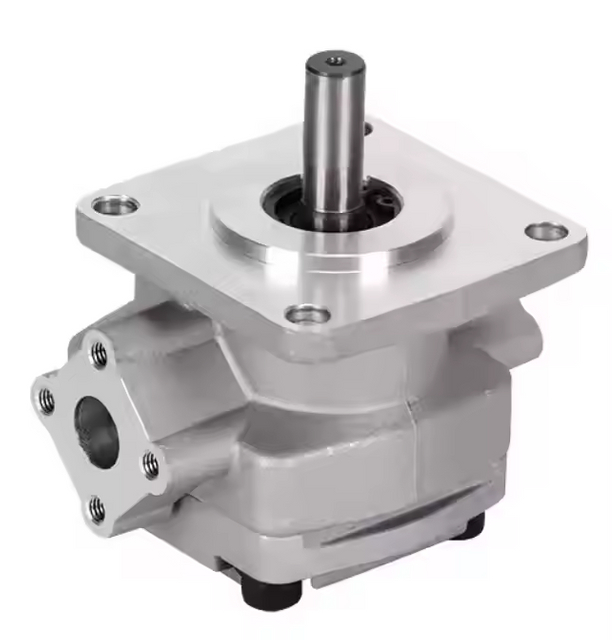
Gear Pumps: Compact, reliable, simple design. Pros: low cost, durability. Cons: can be noisy, limited pressure. Common in mobile machinery and general industrial systems.
Vane Pumps: Smooth operation, moderate pressure, quieter than gear pumps. Ideal for applications where stable flow and lower noise matter.
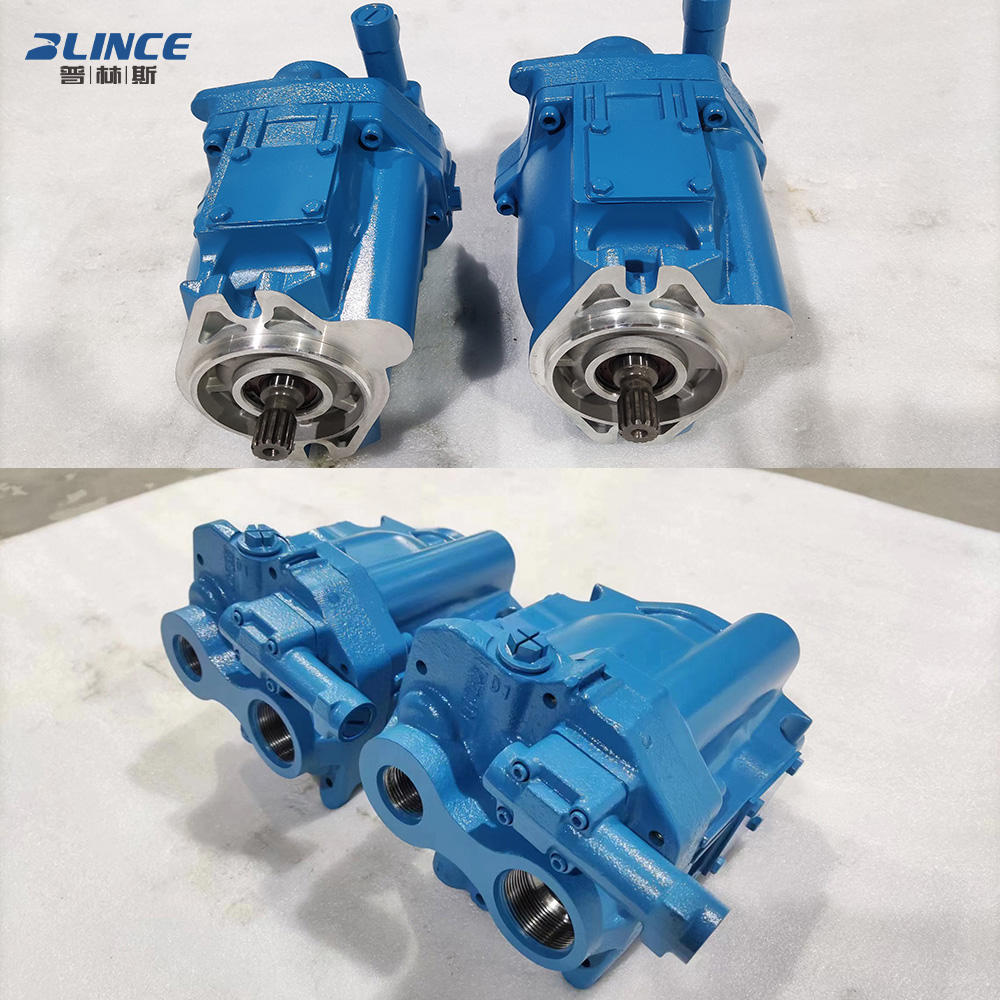
Piston Pumps: High pressure, variable displacement, excellent efficiency. Pros: strong, precise flow control. Cons: more complex, higher cost. Often used in heavy-duty machinery, presses, and high-pressure systems.
Comparison Table:
Pump Type
Pros
Cons
Typical Use
Gear
Compact, reliable, simple
Noisy, moderate pressure
Mobile machinery, light industrial
Vane
Smooth flow, quieter
Limited high pressure
Medium-pressure systems, quiet operation
Piston
High pressure, adjustable flow
Complex, expensive
Heavy-duty machines, industrial presses
Planning and Designing Your Hydraulic Pump System
Defining System Requirements
Before building a hydraulic pump system, it’s essential to know exactly what your system needs to do. Clear requirements prevent problems and ensure efficiency. Key considerations include:
Pressure Requirements – Determine the maximum pressure your machinery needs to operate safely and effectively. This affects pump selection and system design.
Flow Rate – Calculate the flow required for actuator speed and smooth operation. Too low or too high can reduce performance.
Duty Cycle – Understand how often and how long the system will run. Continuous operation may require more robust components.
Environmental Factors – Consider temperature, dust, and other conditions that may impact oil performance and component life.
Future Expansion – Anticipate changes in load or system upgrades to avoid redesign later.
Taking the time to define these parameters up front ensures your pump system works reliably and reduces costly troubleshooting.
Selecting the Right Pump Type
Choosing the right pump type can make or break your system. Here’s a breakdown of the main options and when they work best:
Gear Pumps – Compact, reliable, and easy to maintain. Best for applications needing steady flow at moderate pressure, like mobile machinery or small industrial presses.
Vane Pumps – Smooth operation and quieter than gear pumps. Ideal for systems where low noise and stable flow are priorities.
Piston Pumps – High-pressure capability with variable displacement. Perfect for heavy-duty equipment, industrial presses, or applications that demand precise flow control.
The key is matching the pump type to your system’s pressure, flow, and operational demands, ensuring efficiency, reliability, and minimal maintenance.
Motor, Coupling, and Power Considerations
The pump won’t perform if the motor can’t provide enough power, so matching the motor to your pump’s demand is essential. You need to consider displacement, operating pressure, and speed when calculating the required motor power. Couplings are equally important—they transfer torque from the motor to the pump, and any misalignment can create vibration, noise, or even damage. Getting this right ensures smooth operation and protects both the pump and motor, saving you time and money on repairs.
Oil Selection and Tank Design
Hydraulic oil isn’t just a fluid; it’s the lifeblood of your system. Choosing the right type and viscosity is crucial for efficiency and longevity. Tank design also matters: it should hold enough oil for circulation, reduce heat buildup, and prevent air from entering the system. Suction inlets should avoid sediment at the bottom, and outlets need to maintain steady flow. Proper oil selection and a well-designed tank make the difference between a pump system that struggles and one that runs reliably day after day.
Step-by-Step Guide to Building a Hydraulic Pump System
Assembling the Core Components
Building a hydraulic pump system starts with putting the main pieces together. You mount the pump, motor, coupling, and piping carefully, making sure each part sits securely and aligned. Proper orientation matters: even a small misalignment in the coupling can create vibration, noise, or premature wear. Take time to check shaft alignment and confirm that hoses and lines are routed smoothly. It’s not just assembly—it’s setting the foundation for reliable operation, and doing it right makes later maintenance much easier.
Installing Filters, Gauges, and Valves
Installing the monitoring and protection components ensures smooth operation. Consider the following:
Suction and Return Filters – Place filters where they can remove contaminants effectively. Ensure easy access for cleaning or replacement.
Pressure Gauges – Install gauges in locations where you can quickly read system pressure during operation. This helps detect anomalies early.
Control Valves – Connect valves according to system flow direction and design. Correct installation prevents backflow and maintains stable operation.
Hoses and Fittings – Route hoses without sharp bends or twists. Secure fittings to prevent leaks and maintain system efficiency.
Proper installation of these components reduces maintenance issues, protects the pump, and keeps the system running efficiently.
Priming the Pump and Testing the System
Once the hardware is in place, the pump needs to be primed and tested. Fill the tank with clean hydraulic oil and remove air from the suction lines to prevent cavitation. Then, run initial system tests to check flow, pressure, leaks, and abnormal noise. Observe how the pump responds to load and make small adjustments as needed. Early testing helps catch issues before full operation and ensures the system performs reliably. This step is critical to avoid surprises once the machinery is running under real conditions.
Maintaining Your Hydraulic Pump for Long-Term Reliability
Regular Inspection and Preventive Maintenance
Keeping your hydraulic pump in top shape isn’t just about routine checks—it’s about protecting your investment and ensuring your system runs smoothly day after day. You want to make sure the oil stays clean, fluid levels are correct, and temperatures stay in the safe range, because contaminated or overheated oil can wear down parts quickly. Don’t forget hoses, fittings, and seals—even small leaks or cracks can turn into big problems. A little preventive maintenance goes a long way, helping your pump last longer, run more efficiently, and reduce unexpected downtime.
Monitoring Pump Performance
Watching how your pump performs gives you a clear advantage. Track flow rate and pressure trends to see if it’s delivering consistent power. Notice anything unusual, like vibrations, strange noises, or slower actuator movement? Those are signs it might need attention. Catching problems early keeps your system reliable, saves costly repairs, and keeps your machinery running without interruptions.
Common Mistakes to Avoid in Hydraulic Pump Operation
Even experienced operators can make errors that shorten pump life. Here are the main pitfalls to watch out for:
Overloading the System – Pushing the pump beyond its pressure or flow limits can cause immediate damage to internal components and reduce overall lifespan.
Running Dry – Operating without sufficient hydraulic oil leads to cavitation, overheating, and rapid wear.
Using Improper Hydraulic Fluid – The wrong viscosity or type can reduce lubrication, increase friction, and accelerate wear.
Ignoring Filtration and Maintenance – Skipping filter changes or regular inspections allows dirt and debris to circulate, damaging the pump, valves, and hoses.
Avoiding these mistakes helps keep your system running efficiently, reduces costly downtime, and protects your investment.
Upgrading or Customizing Hydraulic Pump Systems
Your hydraulic needs might grow or change, and your pump system should be able to keep up. Upgrading to a variable displacement pump or a high-pressure piston pump can give you precise control and high efficiency for demanding tasks. If space is tight or your application is heavy-duty, a custom configuration can make a huge difference. Choosing the right setup ensures your pump not only meets today’s requirements but also stays ready for tomorrow’s challenges.
Conclusion
Building a hydraulic pump requires careful planning, selecting the right pump type, and ensuring proper assembly. Regular maintenance and monitoring keep systems reliable. Blince offers gear, vane, and piston pumps designed for precision, high efficiency, and durability. Their products help customers achieve stable flow, high pressure, and long-lasting performance across various machinery and hydraulic applications.
FAQ
Q: What is a hydraulic pump?
A: A hydraulic pump converts mechanical energy into fluid flow, powering actuators in hydraulic systems.
Q: How do I choose the right hydraulic pump?
A: Match the pump type to required pressure, flow, and duty cycle, considering gear, vane, or piston pumps.
Q: Why is regular maintenance important for a hydraulic pump?
A: Maintenance keeps oil clean, prevents wear, and ensures consistent performance and system reliability.
Q: What common mistakes should I avoid with a hydraulic pump?
A: Avoid overloading, running dry, using wrong fluid, or ignoring filters and inspections.
Q: When should I upgrade or customize a hydraulic pump system?
A: Upgrade when higher pressure, variable flow, or specific compact/heavy-duty configurations are needed.