Selecting the correct hydraulic oil viscosity is crucial for anyone purchasing or maintaining hydraulic machinery. Buyers and procurement decision-makers for equipment like hydraulic pumps, hydraulic motors, cylinders, and valves must ensure their hydraulic systems get the right oil. Using the wrong viscosity grade can lead to overheating, increased wear, or inefficient operation. This comprehensive hydraulic oil selection guide compares ISO VG 32 vs 46 hydraulic oils and explains when to use each. We’ll cover how viscosity affects hydraulic systems, practical examples of VG 32 and VG 46 in use, and answer frequently asked questions (FAQ). By the end, you’ll understand how to choose the best oil for various applications, climates, and operating conditions – whether you’re dealing with low-temperature hydraulic oil needs or high-pressure industrial systems.

Understanding ISO VG Hydraulic Oil Grades
What do ISO VG numbers mean? “ISO VG” stands for International Standards Organization Viscosity Grade, which indicates the oil’s viscosity (thickness) measured at 40°C. The number (32, 46, etc.) corresponds to the oil’s kinematic viscosity in centistokes (cSt) at 40°C. In simpler terms, a higher number means a thicker oil that flows more slowly, while a lower number means a thinner oil that flows more easily. For example, ISO VG 32 is a lower-viscosity (thinner) oil, whereas ISO VG 46 is a higher-viscosity (thicker) oil.
Viscosity and flow: The viscosity directly affects how the oil flows through hydraulic components. Thinner oils (like VG 32) offer less resistance to flow, enabling faster movement through pumps, valves, and lines. Thicker oils (like VG 46) have more resistance and flow slower. This difference influences lubrication, response speed, and energy efficiency in a hydraulic system. Thin oil can circulate quickly and reduce power loss due to fluid friction, but if it’s too thin for the machinery’s tolerances, it might not provide enough lubrication under load. Thick oil can provide a stronger lubricating film and handle heavy loads, but excessive thickness can cause sluggish operation and higher energy consumption.
ISO VG 32 vs 46 – viscosity in context: At the standard 40°C test temperature, ISO VG 32 and ISO VG 46 have different viscosity values (approximately 32 cSt vs 46 cSt, respectively). In practical use, this means ISO 32 hydraulic oil is “lighter” and ISO 46 is “medium” weight. The viscosity of any oil will change with temperature: it increases when cold and decreases when hot. Therefore, the ideal grade depends on the typical operating temperature range of your hydraulic system. ISO VG 32 oils tend to perform best in systems running between about 0°C to 38°C (32°F to 100°F), whereas ISO VG 46 oils are suited for roughly 10°C to 54°C (50°F to 130°F) operating temperatures. These ranges overlap, but generally VG 46 can tolerate higher heat before becoming too thin, and VG 32 can tolerate colder startup conditions before becoming too thick.
Why Choosing the Right Hydraulic Oil Viscosity Matters
Using the correct hydraulic oil viscosity is essential for optimal performance and longevity of your equipment. Here are a few reasons why selecting ISO VG 32 vs 46 correctly is so important:
Lubrication and Wear Protection: Hydraulic oil also serves as a lubricant. A proper viscosity oil maintains a film between moving parts. If the oil is too thin (using VG 32 when VG 46 is required), it may not sustain that protective film under high pressure or heavy load, leading to metal-to-metal contact and accelerated wear. On the other hand, if the oil is too thick (using VG 46 when VG 32 is sufficient), it can resist flow so much that parts of the system (pumps, motors) might not receive adequate lubrication on startup, also causing wear.
Equipment Performance and Efficiency: Viscosity impacts how easily oil flows through the system’s pumps, valves, and orifices. If the oil is too thick for the conditions, the pump has to work harder, consuming more energy and potentially causing sluggish actuator response. For example, a thick VG 46 oil on a cold morning can make a hydraulic motor or cylinder move slowly until the oil warms up. Conversely, oil that’s too thin may cause lower pressure and leakage in precision components, reducing the force transmitted to hydraulic cylinders or causing hydraulic valves to lose efficiency (oil may leak past clearances). Using the recommended viscosity ensures the system runs efficiently – tests show energy consumption can be 5–15% higher with ISO 46 oil compared to ISO 32 in the same system conditions. Thinner oil (VG 32) reduces internal fluid friction and can improve efficiency and responsiveness in systems designed for it.
Temperature Control: The wrong viscosity can affect operating temperatures. Oil that’s too thick can cause overheating due to higher friction and pumping losses. Oil that’s too thin might not remove heat as effectively or can lead to overheating if it leaks and causes the pump to work extra to maintain pressure. Using the correct grade helps keep hydraulic system temperatures in the optimal range, preventing thermal stress on components and the oil itself.
Preventing Cavitation and Damage: Cavitation is a damaging condition where air bubbles form and collapse in the fluid, often in the pump, due to inadequate fluid supply or excessive viscosity. If a pump tries to suck in oil that is too thick (e.g., using VG 46 in very cold conditions), the intake can form a vacuum and create cavitation bubbles. This can severely damage pump impellers or pistons. Using a thinner oil (VG 32 or specialized low-temp fluid) in cold weather ensures the oil can be pumped without cavitating. Likewise, if oil is too thin for a high-pressure pump, it might slip and cause cavitation on the outlet side. Matching viscosity to the pump’s requirements avoids these issues.
Maintenance and Downtime: All the above factors influence the reliability of your hydraulic system. The wrong oil grade can lead to more frequent breakdowns and higher maintenance costs, as components wear out faster or seals fail. In contrast, the right viscosity oil helps reduce wear and tear, keeping machinery running longer and minimizing downtime. For procurement professionals, this means lower total cost of ownership for equipment when the proper hydraulic fluid is used from the start.
In summary, ISO VG 32 and ISO VG 46 each have their place – neither is “better” in all cases, but one will be better suited for your particular application. Next, we’ll examine the conditions and equipment types that favor each grade.
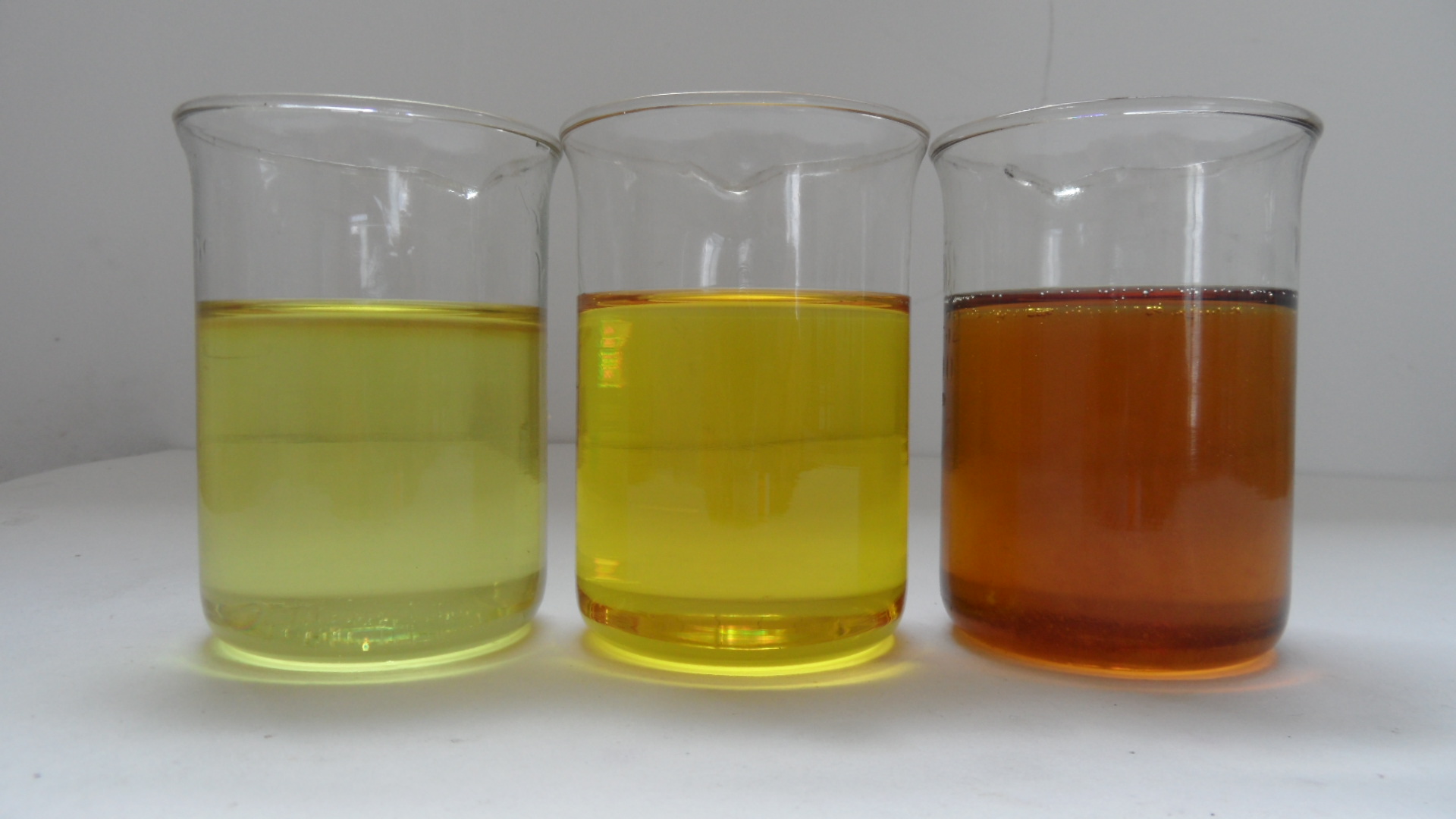
ISO VG 32 vs ISO VG 46: Key Differences and Application Factors
When deciding between ISO VG 32 and VG 46 hydraulic oil, consider the following key factors and how each oil grade performs:
1. Operating Temperature and Climate
Temperature is often the deciding factor in choosing oil viscosity. ISO VG 32 maintains better fluidity at low temperatures, making it superior for cold environments. If you operate hydraulic equipment in a cold climate (or have cold start-ups in winter), VG 32 will flow more easily on start-up, reducing strain on pumps and motors. In fact, ISO VG 32 oils usually have a lower pour point (the lowest temperature at which the oil can still flow) – typically about 5–10°F lower than ISO VG 46 oils. This cold-flow advantage means outdoor equipment in freezing conditions can run with less risk of the oil turning syrupy or causing pump cavitation.
By contrast, ISO VG 46 handles higher temperatures better. In hot climates or for equipment that runs hot, VG 46 provides a thicker oil film at operating temperature, which is crucial to prevent metal contact as the oil thins out. For example, many machines in warmer climates or summer months use ISO 46 to maintain adequate viscosity when ambient temperatures are high. ISO VG 46 is generally recommended if your hydraulic system’s normal operating oil temperature will approach or exceed about 50°C (122°F). As mentioned, ISO 46 is optimal up to ~130°F (54°C) oil temperature, whereas ISO 32 might become too thin beyond ~100°F (38°C).
Indoor vs outdoor: If equipment is indoors in a controlled climate (e.g., a factory floor around 20-25°C), ISO VG 32 is often sufficient and can improve efficiency. In outdoor construction or agriculture equipment facing variable weather, ISO VG 46 might be safer during hot periods. In many cases, companies even use seasonal oils – for example, ISO 32 in winter and ISO 46 in summer for machines that operate year-round in extreme climates. (Modern multi-grade hydraulic oils can cover a wider temperature range, but for single-grade oils this seasonal approach is common.)
2. Equipment Load and Pressure
Consider the load and pressure demands of your hydraulic system. Heavier loads and higher system pressures typically favor a higher viscosity (ISO 46), while lighter-duty and low-pressure systems can use ISO 32.
High pressure systems: If your hydraulic system operates at very high pressures (for instance, above ~2500 PSI / 170 bar), a thicker oil like VG 46 is usually recommended. The reason is that higher viscosity oils provide better film strength – they maintain a lubricating layer between surfaces even when pressure tries to squeeze the oil out. Industrial hydraulic presses, large excavators, and heavy manufacturing equipment often specify ISO 46 or even ISO VG 68 to ensure the oil film doesn’t collapse under extreme pressure. VG 46 also cushions shock loads more effectively, which is important in equipment that experiences pressure spikes or jolts (e.g., a hydraulic hammer or machinery with rapid directional changes).
Low/medium pressure systems: For systems under ~1500 PSI (100 bar) or those not heavily loaded, ISO VG 32 is usually sufficient and can even be advantageous. Lighter machinery and general-purpose hydraulic systems often fall in this category. These applications prioritize flow and efficiency over extreme pressure protection. Using a thicker oil would add drag without much benefit. Many machine tools and factory automation systems (like those high-powered CNC machines or assembly robots) run at moderate pressures and can reliably use ISO 32. In fact, Crown Oil notes that ISO VG 32 is ideal for high-speed machine tools, while ISO VG 46 is normally required for industrial plants working under high pressure.
Shock and continuous duty: If equipment deals with continuous heavy-duty cycles or shock loading, lean towards ISO 46. For example, a hydraulic press running 24/7 at near capacity will generate heat and see constant high pressure — VG 46 provides a margin of protection throughout those cycles. Conversely, a hydraulic pump in a precision laboratory test rig (light load, intermittent use) could use VG 32 and benefit from its easier flow.
3. Speed, Flow Rate, and Precision of Control
The viscosity choice also depends on how quickly and precisely you need the hydraulic system to respond:
Fast response and fine control: Lower viscosity oils (VG 32) enable quicker movement of hydraulic actuators and faster valve response. If your machinery requires rapid cycling or very precise control, a thinner oil can be beneficial. For instance, injection molding machines, CNC router machines, or robotics often use ISO VG 32 because it allows for rapid flow and precise valve operation, giving smoother and more responsive control. Likewise, equipment like forklifts or small hydraulic cylinders that need to start and stop quickly may use VG 32 for snappier performance.
Energy efficiency & long lines: In systems with long hydraulic lines, complex circuits, or energy efficiency concerns, a thinner oil reduces flow resistance. Pumps won’t have to push as hard, which can save energy (recall the 5–15% efficiency gain with VG 32 over VG 46 in some systems). In a large factory hydraulic network or mobile machinery where fuel efficiency matters, ISO 32 could be advantageous as long as it meets the load requirements.
Control vs leakage: On the other hand, very thin oil can leak through clearances more readily. In a system that already has some wear or is not precision-built, too thin oil might cause valves not to hold pressure (drifting cylinders, etc.). In such cases, moving up to ISO 46 can reduce internal leakage, as the thicker oil creates a better seal in pumps and motors with slight wear. This is especially noted in older machinery – using ISO 46 can sometimes improve performance by compensating for increased clearances over time.
4. Manufacturer Specifications and Oil Type
Always consult the equipment manufacturer’s recommendations first. OEMs will specify an oil viscosity or a range (often in terms of ISO VG or an equivalent SAE grade) that is optimal for the components used. This recommendation accounts for the pump/motor design, internal clearances, typical operating temperature, and so on. For example, a hydraulic pump may be designed to work best with oil around 30 cSt at operating temperature; that might correspond to ISO VG 46 if running hot, or ISO VG 32 if running moderate temperatures. Using at least the baseline recommended viscosity is important for warranty and performance.
Also consider the type of hydraulic oil: “ISO VG 32” or “ISO VG 46” simply indicates viscosity, but the oil could be monograde vs multi-grade, mineral vs synthetic, and so on. Multi-viscosity (high VI) oils and synthetic hydraulic fluids can perform over a wider temperature range. For example, a multi-grade AW 32/46 hydraulic oil might flow like a 32 at cold start yet protect like a 46 at high temp. These oils cost more but can eliminate the need to switch grades seasonally. If your operations span a wide temperature range (e.g., equipment used both in winter and summer), investing in a high-VI hydraulic oil could save time and prevent mistakes, as the fluid will adapt across conditions.
Lastly, hydraulic oil quality and additives matter as well. Both ISO VG 32 and 46 are available in anti-wear (AW) formulations, high-performance synthetics, and so forth. A premium ISO VG 32 with a robust additive package can outperform a cheap ISO VG 46 in many cases. For example, cleanliness and anti-wear additives can be as important as viscosity – a clean VG 32 oil will protect better than a dirty VG 46 oil that’s full of contaminants. So, always ensure you use a quality oil from a reputable supplier and maintain proper filtration, rather than solely focusing on the grade.
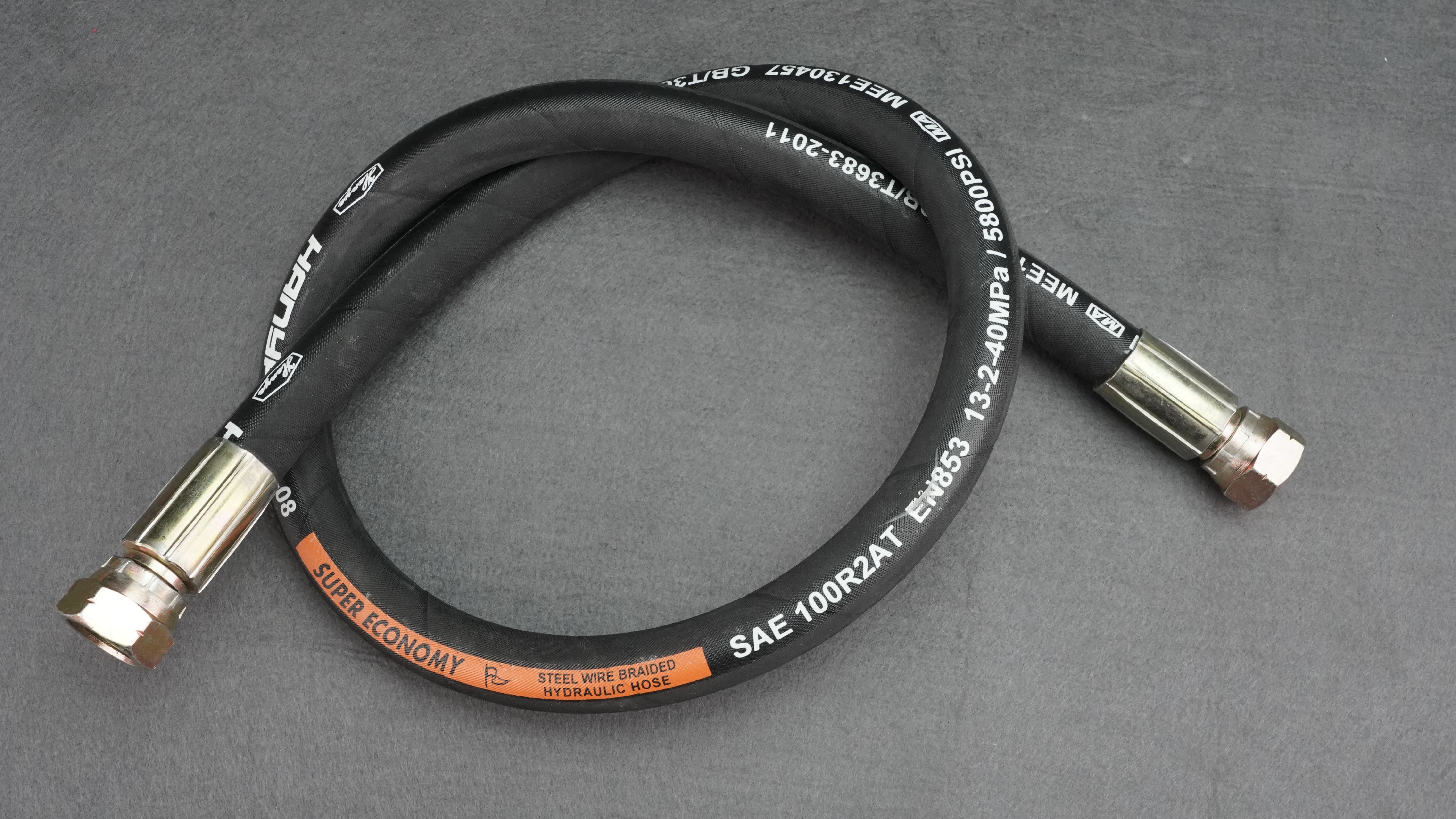
Practical Examples: When to Use ISO VG 32 vs When to Use ISO VG 46
To make this comparison more concrete, here are some practical scenarios and equipment examples for each viscosity grade. These examples illustrate typical use cases, though you should always verify against your equipment’s requirements.
When to Use ISO VG 32 Hydraulic Oil (Examples)
Cold Climate Operations: If your hydraulic equipment will be used in very cold environments or winter conditions, ISO VG 32 is often the better choice. For example, a hydraulic logging machine in Russia or Canada’s winter would use VG 32 so that the oil remains pumpable at sub-zero temperatures. VG 32’s ability to flow at lower temps means easier cold starts and less strain on pumps in freezing weather. It is effectively a “low temperature hydraulic oil” for many standard applications. (For extremely icy conditions, specialized ultra-low-temp hydraulic oils with pour points below -50°C are used, but those are beyond ISO VG standard ranges.)
Indoor & Moderate Climate Machinery: Many machines operating in climate-controlled facilities or mild ambient temperatures use ISO VG 32 for improved efficiency. For instance, high-powered machine tools and factory automation systems often run on VG 32. A hydraulic press or injection molding machine in a factory set to ~22°C ambient will get reliable performance from ISO 32. Similarly, forklifts, pallet jacks, and warehouse hydraulic lifts frequently use VG 32 since they are indoors (or only in mild outdoor weather) and benefit from the faster response.
Equipment Requiring Quick Response: As noted, systems that demand fast actuator response or precise control tend toward thinner oil. Hydraulic robots, CNC machining centers, or servo-valve controlled systems are examples. An injection molding machine with tight tolerances might specify ISO 32 so that the servo valves can modulate pressure quickly and accurately. If the machine operated with a thicker oil, the response might lag or overshoot due to fluid inertia. In agricultural sprayers or tractors used in cooler seasons, ISO 32 can ensure hydraulics (like steering and implement controls) respond promptly even on chilly mornings.
Lower Pressure / Light Duty Systems: For low to medium pressure systems (under ~1500 PSI), ISO VG 32 usually provides sufficient lubrication. For example, a small hydraulic power unit driving a clamp or fixture can use VG 32 and run cooler and more efficiently than it would with VG 46 (which would be unnecessarily thick). If the machinery operates under less strain (smaller cylinders, light loads), there’s little benefit to using a heavier oil. In fact, using ISO 46 in such a system could just create extra heat and slow the operation with no gain in protection.
General Purpose Use in Cooler Regions: If you are in a generally cooler region (for instance, Northern Europe, parts of Russia, or high-altitude areas in Latin America), and your equipment manual gives a choice, starting with ISO 32 can be wise. It covers the cooler end of temperatures and ensures year-round usability unless you encounter very high heat. Many general-purpose hydraulic systems and portable equipment (log splitters, small backhoe loaders, etc.) recommend ISO 32 for operation in temperate climates, reserving heavier grades for tropical or heavy-duty use.
When to Use ISO VG 46 Hydraulic Oil (Examples)
Heavy Construction Machinery: Large, heavy-duty machines such as excavators, bulldozers, wheel loaders, and hydraulic cranes typically run on ISO VG 46 (or even heavier) because of their demanding duty cycles. These machines face high loads, potential contamination, and wide temperature swings, and manufacturers design their hydraulic systems for the robust film strength of VG 46. For example, a hydraulic excavator in a road construction project during summer will use VG 46 to ensure the oil doesn’t thin out excessively in 35°C ambient heat and can protect the hydraulic pumps and motors during heavy digging operations.
High-Pressure Industrial Equipment: If you have equipment like a hydraulic press, metal stamping machine, or injection molding machine that operates at very high pressures or forces, ISO 46 is usually recommended for the added protection. For instance, a hydraulic press in an automotive factory running at 3000 PSI will need VG 46 to maintain oil film integrity on the press’s piston and seals. Similarly, industrial hydraulic systems with accumulators and complex servo valves often use VG 46 to prevent leakage and handle pressure peaks safely.
Outdoor Equipment in Hot Climates: In regions with hot climates (many Spanish-speaking countries have areas with very warm temperatures), VG 46 is often the preferred grade for mobile hydraulic equipment. For example, a tractor or combine harvester operating in a South Spanish summer or a tropical climate in Latin America would use ISO 46 so the oil remains sufficiently viscous when the daytime temperature is 40°C. If one tried to use ISO 32 in such conditions, the oil could become too thin when the machine heats up, risking lubrication failure. Manufacturers of agricultural and forestry machinery commonly specify ISO 46 for this reason.
Continuous Duty & High Heat Loads: Any system that runs continuously for long periods and tends to build up heat will benefit from ISO 46. Consider a hydraulic power unit that runs a conveyor or an industrial hydraulic motor 24/7 – over time, the oil could heat up, and starting with VG 46 provides a buffer so that even after heating, the oil’s viscosity stays in a safe range. Another example is hydraulic systems in cooling fan drives or drilling rigs which operate non-stop; VG 46’s higher thermal stability (slower to thin out) helps maintain performance throughout the shift.
Older or Worn Equipment (High Tolerance Leakage): As machines age, internal clearances in pumps and valves can increase slightly. A thicker oil like ISO 46 can help maintain pressure and reduce internal leakage in such cases. If you have an older hydraulic pump that’s “a bit tired” or cylinders that drift, moving from 32 to 46 (if the climate allows) might restore some performance. Note: This is a stop-gap; the root cause (wear) should be addressed, but in procurement terms, if you’re buying used equipment or servicing an older fleet in a warm climate, ISO 46 could be the safer bet to keep them running consistently.
Special Note – Low Temperature Hydraulic Oils: For extreme cold environments beyond the normal scope of ISO VG 32, there are special low-temperature hydraulic fluids (often based on VG 22-32 with pour point depressants). These are sometimes labeled as “Arctic” or “LT” hydraulic oils. They remain fluid in icy conditions where even ISO 32 might start to wax or gel. If you operate in places like Siberia or high mountains in winter, consult your supplier about low-temp hydraulic oil options. For moderately cold climates, ISO VG 32 usually suffices as the “low temp” option compared to VG 46.

Hydraulic Oil Selection Guide
Choosing between ISO VG 32 and ISO VG 46 ultimately comes down to matching the oil’s characteristics with your system’s needs. Below is a quick selection guide summarizing when each viscosity grade is appropriate:
Use ISO VG 32 if...
– Your equipment regularly starts or operates in cold temperatures (below ~10°C). VG 32 will flow and circulate readily, preventing strain on pumps in cold weather.
– The ambient/operating temperatures are moderate (up to about 40°C) and not extremely high.
– The hydraulic system is low to medium pressure (under ~1500 PSI) or the machine is light to medium duty.
– You need fast response, quick cycling, or precision control (e.g., CNC machines, robotics, small valves) – the thinner oil improves actuator speed and sensitivity.
– Energy efficiency is a priority (e.g., electric-driven hydraulic units, or any system where reducing heat and power loss is important). VG 32 reduces pumping losses and can lower energy usage in suitable systems.
– Manufacturer specs allow 32 (or give a range that includes 32) and your environment isn’t pushing it out of that range.
Use ISO VG 46 if...
– Your equipment operates in hot climates or reaches high operating temperatures (oil temps regularly above ~50°C). VG 46 will resist thinning out excessively and maintain lubrication.
– The system pressure is high (exceeding ~2000–2500 PSI) or the equipment handles heavy loads/shock (large cylinders, heavy hydraulic motors, etc.). The thicker oil provides the film strength needed for extreme pressure and load protection.
– You run outdoor mobile equipment in demanding conditions – e.g. construction machinery, industrial vehicles – especially in warm seasons. VG 46 is formulated for those robust conditions to prevent breakdown when VG 32 would be too thin.
– The machine has continuous or long duty cycles that generate heat. Using VG 46 offers a safety margin so that after heating up, the oil is still within an optimal viscosity range.
– The equipment is older or has slightly worn components that could benefit from a thicker oil to reduce internal leaks and maintain stable performance. (Ensure the climate is warm enough that the thicker oil won’t cause cold-start issues.)
– Manufacturer specifically calls for ISO 46 (or higher). Always meet at least the minimum viscosity spec provided by the OEM.
If in doubt or conditions vary: When conditions span a wide range (for example, equipment used both in winter and summer, or day-night temperature swings), consider high VI multi-grade hydraulic oils. These oils (often synthetic or semi-synthetic) behave like ISO 32 in the cold and like ISO 46 at high temps, covering both bases. They can be more expensive, but they ensure protection across extremes without seasonal oil changes. Also, always prioritize oil quality: a premium oil with the right viscosity will perform better and protect your hydraulic system more reliably.
By evaluating these factors – temperature, pressure, load, response needs, and manufacturer guidelines – you can confidently decide whether ISO VG 32 or ISO VG 46 is the appropriate hydraulic fluid for your hydraulic pumps, motors, cylinders, and valves.
Conclusion
In the debate of ISO VG 32 vs ISO VG 46 hydraulic oil, the winner is determined by your specific application and environment. ISO VG 32 hydraulic oil is best for cooler temperatures, lighter-duty or high-speed systems, and situations requiring quick response or energy efficiency. ISO VG 46 hydraulic oil excels in warmer climates, heavy-duty high-pressure systems, and applications where maintaining viscosity under heat and load is critical. Both viscosity grades are widely used and each serves its purpose in the hydraulic world. The key is to match the oil grade to your equipment’s needs – ensuring smooth operation, adequate lubrication, and protection against wear.
For buyers and procurement decision-makers, this means consulting equipment manuals, considering the operating conditions of your hydraulic fleet, and possibly stocking more than one grade of oil if you have a variety of machines. The investment in the correct oil pays off by preventing downtime and extending component life. Always remember to use high-quality oil (with proper additives like anti-wear, anti-foam, etc.) from trusted suppliers, and maintain your hydraulic system (keep it clean and monitor oil condition) for the best results.
By understanding the differences between ISO VG 32 and 46 and following this hydraulic oil selection guide, you can make an informed decision that keeps your hydraulic systems running efficiently and reliably, whether you’re operating in the heat of summer or the cold of winter.
FAQ – ISO VG 32 vs 46 Hydraulic Oil (Spanish & Russian Market Focus)
Q: Which hydraulic oil is better for cold weather, ISO VG 32 or ISO VG 46?
A: ISO VG 32 is generally better for cold weather. In low temperatures, a VG 46 oil becomes thicker and may struggle to flow or cause hard starting. ISO VG 32 stays more fluid at cold temperatures, so hydraulic pumps and motors can circulate it more easily during winter. Using ISO 32 in cold climates reduces the risk of cavitation and ensures your system builds pressure quickly. (For extreme cold, consider specialty low-temperature oils, but between 32 vs 46, go with 32 for winter conditions.)
Q: Can I use ISO VG 46 instead of ISO VG 32 in my hydraulic system?
A: It depends on your equipment’s requirements and operating conditions. If your machine is rated for ISO 32 and you switch to the thicker ISO 46, you might encounter sluggish performance or higher pressure drop, especially in cold starts. However, in a warm climate or for a heavily loaded system, using ISO 46 could provide better protection. Always check the manufacturer’s recommendation – many systems allow a range (e.g. “ISO VG 32 or 46”). If both are allowed, use ISO 46 for high temperatures or heavy use, and ISO 32 for colder or lighter use. Do not mix them together; if you change grade, it’s best to fully drain and refill with the new oil.
Q: ¿Cuál es la diferencia entre el aceite hidráulico ISO VG 32 y ISO VG 46?
A: La diferencia radica principalmente en su viscosidad (grosor del aceite). ISO VG 32 es un aceite más delgado (menos viscoso) que fluye más fácilmente, recomendado para equipos en climas fríos o aplicaciones de servicio ligero a medio. ISO VG 46 es un aceite más espeso (más viscoso) que fluye más lentamente, indicado para climas cálidos o maquinaria de servicio pesado. En resumen, el VG 32 se usa cuando se necesita un aceite que funcione bien a baja temperatura y ofrezca respuesta rápida, mientras que el VG 46 se usa cuando se requiere mayor protección bajo altas presiones y temperaturas para asegurar la lubricación adecuada de los componentes hidráulicos. Elegir la viscosidad correcta garantiza un funcionamiento eficiente y alarga la vida de su sistema hidráulico.
Q: В чем разница между гидравлическими маслами ISO VG 32 и ISO VG 46?
A: Разница между ними заключается в вязкости масла. ISO VG 32 – это более жидкое (маловязкое) гидравлическое масло, которое легче течет и обычно применяется при низких температурах или в менее нагруженных системах. ISO VG 46 – более густое (высоковязкое) масло, которое течет медленнее; его рекомендуют для более высоких температур или тяжелонагруженного оборудования. Проще говоря, VG 32 лучше подходит для холодного климата и обеспечивает быструю реакцию гидросистемы, а VG 46 обеспечивает лучшую защиту при высоких давлениях и температурах. Правильный выбор вязкости масла помогает поддерживать эффективную работу и защиту компонентов гидравлической системы.


