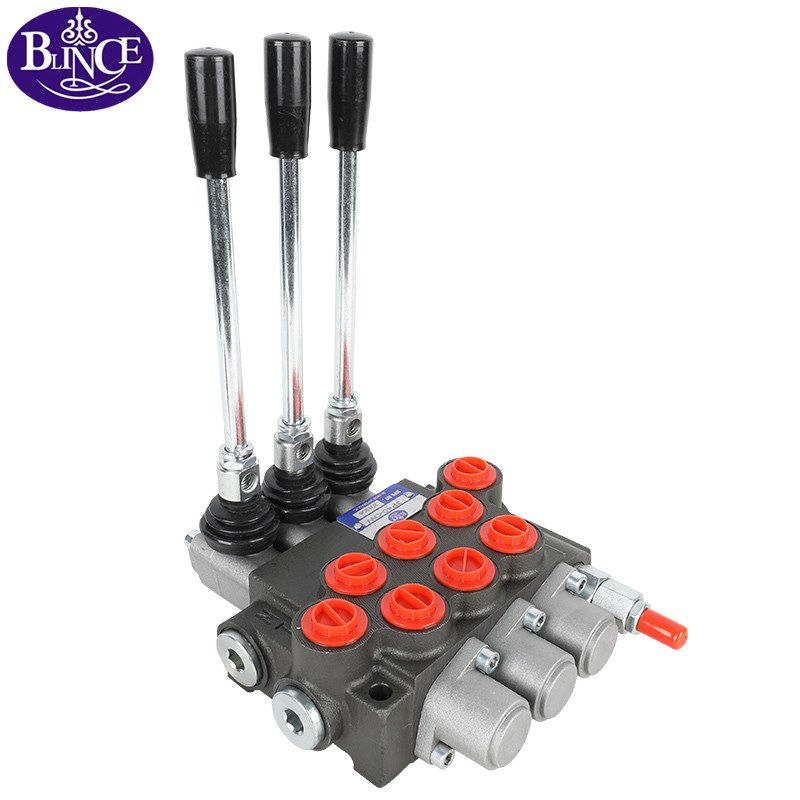
Why does one hydraulic machine move smoothly while another jerks or runs too fast? The answer often starts with flow control. A hydraulic flow control valve manages oil flow, so cylinders and motors move at the right speed. It also helps improve safety, efficiency, and control. In this article, you will learn how it works, the main valve types, common control methods, key selection tips, and simple maintenance practices for reliable performance.
What Is a Hydraulic Flow Control Valve and Why Is It Important?
Definition of a Hydraulic Flow Control Valve
A hydraulic flow control valve is a component used to control the flow rate of hydraulic oil in a circuit. It decides how much fluid can pass through a certain point in the system. When the valve opening is larger, more oil moves through it. When the opening is smaller, the oil flow drops, and the connected actuator moves more slowly.
Think of it like a heavy-duty faucet for hydraulic machinery. A normal faucet controls water flow. A hydraulic flow control valve controls hydraulic oil flow under pressure. It does not mainly create force. Instead, it controls movement speed. This makes it important in systems where smooth and predictable motion is needed.
In a hydraulic system, flow and pressure do different jobs. Pressure creates force, while flow controls speed. If a hydraulic cylinder needs to extend more slowly, the valve reduces the flow entering or leaving the cylinder. If a hydraulic motor needs to rotate faster, the valve allows more oil to pass.
A hydraulic flow control valve can be used in many parts of a machine. It may control a boom cylinder on construction equipment, a lifting platform in a warehouse, or a feed system in industrial machinery. In each case, the basic purpose is the same. It helps the machine move at the right speed, not too fast and not too slow.
Why Flow Control Matters in Hydraulic Systems
Flow control matters because hydraulic machines often need controlled motion, not just raw power. A cylinder moving too fast can cause shock, vibration, or unsafe movement. A motor running at the wrong speed can reduce accuracy or damage other parts. A hydraulic flow control valve helps avoid these problems by managing the flow before it reaches the actuator or as it leaves the actuator.
For many machines, stable speed is just as important as high force. Construction equipment, agricultural machinery, lifting systems, and factory equipment all depend on repeatable movement. If the oil flow changes suddenly, the machine may jerk, slow down, or move unevenly. That affects safety, product quality, and equipment life.
A properly selected hydraulic flow control valve helps improve:
Speed regulation: It lets the operator or system set the movement speed. This is useful when one machine needs different speeds for different jobs. It also makes operation easier and more predictable.
Smooth actuator movement: It reduces sudden starts and stops. The machine feels more stable during operation. This can also reduce stress on cylinders, hoses, and mechanical structures.
Better machine precision: It helps the actuator move at a controlled rate. This matters in pressing, feeding, cutting, lifting, and positioning tasks. Better flow control often means better process control.
Reduced shock and vibration: It prevents oil from rushing too quickly through the circuit. Less shock protects seals, fittings, and hydraulic lines. It also makes the machine quieter and easier to handle.
Improved safety: It helps prevent uncontrolled movement. This is important when loads are raised, lowered, or held in position. Operators can work more confidently when motion stays predictable.
More stable system performance: It helps the hydraulic system respond consistently. The machine can run more efficiently and avoid unnecessary heat caused by poor flow control.
At Blince, hydraulic valves are designed for equipment that needs steady movement and reliable control. In real working conditions, machines face changing loads, long operating hours, and tough environments. A dependable hydraulic flow control valve helps the system stay controlled during these conditions. It gives users a practical way to improve speed control, reduce machine shock, and support safer operation.
How Does a Hydraulic Flow Control Valve Work?
The Basic Working Principle of a Hydraulic Flow Control Valve
A hydraulic flow control valve works by adjusting the size of the internal flow passage. This passage may look small, but it has a big job. It decides how much hydraulic oil can pass through the valve at one time. When the opening becomes larger, oil flows more easily. When it becomes smaller, the oil is restricted, and the actuator slows down.
You can think of it like adjusting a water tap, but for hydraulic oil under pressure. The valve creates a controlled restriction, often called an orifice. This restriction helps the system manage speed in a safer and more predictable way. It does not mainly create power. Instead, it controls how fast that power moves a cylinder, motor, or lifting unit.
Valve Opening
Flow Condition
Actuator Movement
What You Will Notice
Large opening
More oil passes through
Faster cylinder or motor speed
Quick response and faster operation
Medium opening
Balanced oil flow
Steady actuator movement
Smooth speed control for daily work
Small opening
Less oil passes through
Slower actuator speed
Better control for careful movement
Nearly closed opening
Very little oil passes
Little or no movement
Useful for holding or very slow action
This simple rule helps most users understand the valve quickly:
Larger opening means more flow. More oil reaches the actuator each second. The cylinder extends faster, or the hydraulic motor turns more quickly. This setting is helpful when your machine needs fast travel, quick return, or higher working speed.
Smaller opening means less flow. Less oil reaches the actuator in the same time. The cylinder moves slower, and the motor speed drops. This is useful when you need careful positioning, smooth lifting, or controlled lowering.
Controlled restriction improves machine behavior. A good valve setting helps reduce sudden movement. It can make the machine feel more stable during operation. It also helps protect hoses, seals, and mechanical parts.
Proper matching matters. The valve should match the pump flow and system pressure. If the valve is too small, it may create heat and pressure loss. If it is too large, fine speed control may become difficult.
Step-by-Step Flow Process Inside the Valve
Inside the valve, the oil follows a controlled path. It enters the inlet port, reaches the regulating part, passes through the adjusted opening, then leaves through the outlet port. The regulating part may be a needle, spool, plunger, or fixed orifice. Each design controls flow in a slightly different way, but the purpose stays the same.
Here is the working process in a simple order:
Hydraulic oil enters the inlet port. The pump sends pressurized oil into the valve. At this stage, the oil carries energy from the hydraulic power unit. The valve receives this oil and prepares it for controlled movement.
The oil reaches the regulating element. This part may be a needle, spool, plunger, or orifice. It sits directly in the flow path. Its position decides how wide or narrow the passage becomes.
The valve adjusts the flow. If the internal opening is wider, more oil passes through. If the opening is smaller, the valve restricts the flow. This is the key step where speed control happens.
The regulated oil exits the outlet port. After the oil passes through the controlled opening, it leaves the valve. It then moves toward a hydraulic cylinder, motor, or another circuit section. Now the flow rate is more controlled.
The actuator moves at the required speed. More flow makes the actuator move faster. Less flow makes it move slower. This helps the machine work smoothly during lifting, pushing, rotating, or positioning.
How Orifice Size Controls Hydraulic Cylinder and Motor Speed
The orifice is the small opening that controls the flow rate. In many hydraulic flow control valve designs, this opening can be adjusted by a screw, knob, spool, or needle. A small adjustment can create a clear change in actuator speed. This is why flow control feels so direct when you test it on a machine.
For a hydraulic cylinder, the idea is easy to see. More oil entering the cylinder chamber fills it faster. The piston moves faster because the chamber volume changes more quickly. Less oil enters the chamber, so the piston moves more slowly. This allows the operator to control lifting, pressing, pushing, or lowering speed.
For a hydraulic motor, oil flow controls rotation speed. Higher flow makes the motor rotate faster. Lower flow makes it rotate slower. That is why a hydraulic flow control valve is widely used on conveyors, augers, winches, rotary cutters, and other motor-driven hydraulic systems.
Orifice Setting
Cylinder Speed
Motor Speed
Typical Application
Wide opening
Fast piston movement
High motor speed
Quick return, fast travel, rapid cycling
Medium opening
Stable piston movement
Steady motor speed
Normal lifting, feeding, and positioning
Narrow opening
Slow piston movement
Low motor speed
Fine control, gentle lowering, accurate movement
Very narrow opening
Very slow or uneven movement
Possible weak rotation
Light-duty fine adjustment, not heavy continuous use
In real applications, the final speed depends on more than the opening size. Pump flow, load pressure, oil temperature, and valve size all affect the result. This is why choosing the right valve matters. A valve should not only fit the pipe thread. It should also match the flow range and working pressure of the system.
Main Components and Types of Hydraulic Flow Control Valves
Key Components of a Hydraulic Flow Control Valve
A hydraulic flow control valve may look compact from the outside, but it contains several parts working as one system. Each part has a clear job. The valve body guides the oil, the internal element changes the opening, and the adjustment part lets you set the required flow. When they work well together, the machine gets smoother speed control and more predictable movement.
A strong valve body helps handle pressure. A precise spool, plunger, or needle helps improve flow adjustment. A stable spring and smooth adjusting mechanism make the valve easier to use in daily work. This is why good machining and reliable sealing are important in real hydraulic systems.
Component
Main Function
Why It Matters in Operation
Valve body
Holds internal parts and provides inlet and outlet ports
Supports pressure and guides oil through the valve
Spool or plunger
Opens, closes, or restricts the flow path
Changes how much oil can pass through
Spring
Returns or holds the internal element in position
Helps keep valve action stable and repeatable
Adjusting mechanism
Uses a knob, screw, lever, or actuator to change setting
Lets the user control flow based on working needs
Orifice or flow passage
Creates the controlled restriction inside the valve
Directly affects actuator speed and flow rate
Non-Pressure-Compensated Hydraulic Flow Control Valves
A non-pressure-compensated valve is one of the simplest types of hydraulic flow control valve. It controls flow by using a fixed or adjustable restriction. Common examples include needle valves, throttle valves, and fixed orifices. They are easy to understand, easy to install, and often cost less than more advanced designs.
This type works best when system pressure and load stay fairly stable. For example, it can suit simple lifting devices, light equipment, test benches, and circuits where speed does not need to stay exact under changing load. If the pressure across the valve changes, the flow may also change. That means actuator speed can become faster or slower during operation.
Key features include:
Simple structure for easy use. These valves usually have fewer internal parts. That makes them easier to maintain and easier for operators to adjust. It also helps reduce cost in many basic hydraulic circuits.
Good choice for stable loads. They perform well when the actuator load does not change much. In those conditions, the flow stays more predictable. The user can set the speed and keep normal operation simple.
Cost-effective speed control. Many machines do not need high-precision flow regulation. For those systems, a non-pressure-compensated valve offers a practical solution. It gives basic control without adding too much system cost.
Flow changes under pressure variation. This is the main limitation. When load pressure rises or falls, the flow rate may shift. If your machine needs very steady speed, another valve type may be better.
A simple needle valve is a good example. When you turn the knob inward, the needle reduces the opening. Less oil passes through, so the actuator slows down. When you turn it outward, the opening increases, and the actuator moves faster. It is simple, direct, and useful in many everyday hydraulic applications.
Pressure-Compensated Hydraulic Flow Control Valves
A pressure-compensated hydraulic flow control valve is designed for more stable flow. It does more than create a simple restriction. It also reacts to pressure changes in the circuit. This helps the valve keep the flow rate closer to the setting, even when the load changes during work.
Inside the valve, a compensating element senses pressure difference across the orifice. When load pressure rises, the valve adjusts the internal passage to help maintain flow. When load pressure drops, it responds again. The goal is not magic. It is controlled balance, so the actuator speed stays more consistent.
This type is helpful when consistent movement speed is important. Many users choose it for lifting equipment, mobile machinery, agricultural systems, and industrial automation. If a cylinder must lower smoothly under different loads, pressure compensation can make a real difference. It helps reduce speed changes that may cause jerky motion or poor control.
The main benefits are clear:
More stable actuator speed. The valve helps keep flow closer to the required setting. This gives the operator smoother movement. It also improves confidence during lifting, feeding, or positioning.
Better control under changing loads. Loads rarely stay perfect in real machines. A pressure-compensated design reacts when pressure changes. It helps the system stay easier to manage.
Improved precision for demanding work. Some equipment needs repeatable movement. This valve type supports better speed accuracy. It is useful when the process depends on stable motion.
Better match for professional systems. The design is more advanced than a basic throttle valve. It may cost more, but it gives stronger control. For many machine builders, that trade-off is worth it.
Proportional and Advanced Hydraulic Flow Control Valves
Proportional flow control valves bring electronic control into the hydraulic system. Instead of only turning a knob, the user can send an electrical signal to adjust flow. The signal may come from a joystick, controller, PLC, or machine computer. This allows the hydraulic flow control valve to respond quickly and accurately.
These valves are common in automated machines and precision-control systems. They help operators control speed from a distance. They also allow programmable movement, which is useful in modern equipment. If your machine needs smooth acceleration, repeatable motion, or automatic speed changes, a proportional valve can be a strong choice.
Important features include:
Remote control capability. The operator does not need to adjust the valve by hand. A control signal changes the flow setting. This is useful for mobile machinery, automated lines, and hard-to-reach installations.
Fast response during operation. Proportional valves can react quickly to command changes. This helps the machine accelerate or slow down more smoothly. It also improves comfort and control in many applications.
Accurate flow adjustment. The valve can make small changes based on the input signal. This improves movement quality. It is helpful when machines need repeatable positioning or controlled speed ramps.
Programmable machine control. A controller can change flow based on load, time, sensor feedback, or operator input. This gives designers more flexibility. It also supports smarter hydraulic systems.
Advanced hydraulic systems may also use several special valve designs. A priority valve keeps flow available for an important function, such as steering. A flow divider splits oil between two circuits so actuators move more evenly. A temperature-compensated flow control valve helps reduce speed change caused by oil viscosity shifts. These designs give engineers more tools when a simple valve cannot meet the job.
Flow Control Methods, Selection Tips, and Maintenance Best Practices
Meter-In, Meter-Out, and Bypass Flow Control Methods
A hydraulic flow control valve can be installed in different positions in a hydraulic circuit. The position changes how it controls oil flow. In real equipment, this choice affects speed, smoothness, safety, and operator confidence. That is why the method matters, not only the valve model.
The three common methods are meter-in, meter-out, and bypass control. Each one has a different job. They all help manage actuator speed, but they are not used in the same working conditions.
Meter-in control controls oil entering the actuator. It is a good choice when the load is stable and predictable. Many machines use it for normal speed control because it is simple and easy to adjust. If your cylinder or motor does not face strong pulling forces, this method can work well.
Meter-out control controls oil leaving the actuator. It is often used when gravity or heavy loads may push the actuator forward. For example, a lifting platform or vertical cylinder can move too fast if oil leaves freely. Meter-out control helps slow that movement and gives the operator better control.
Bypass control sends extra pump flow back to the tank. The actuator only receives the flow it needs. This method is useful when the pump provides more oil than one function requires. It can also help reduce unnecessary flow through the actuator circuit.
For many customers, the key question is simple: “Will the load try to run away?” If yes, meter-out control may be safer. If the load is steady, meter-in control is usually practical. If the system has extra pump flow, bypass control may be worth considering.
How to Choose the Right Hydraulic Flow Control Valve
Choosing the right hydraulic flow control valve should not feel complicated. You only need to match the valve to the real job. The valve must handle the system flow, pressure, actuator type, and working environment. When the match is right, the machine runs smoother and feels easier to control.
Before selecting a valve, check these points carefully:
Required flow rate. Know the normal flow and peak flow in your circuit. A valve that is too small can create heat, noise, and pressure loss. A valve that is too large may make fine speed adjustment harder.
Maximum working pressure. The valve must safely handle the highest pressure in the system. Do not only check the normal pressure. Pressure spikes can happen during lifting, impact, or fast direction changes.
Minimum and maximum speed needs. Think about the slowest and fastest actuator movement required. Some machines need gentle lowering. Others need fast return speed. The valve should cover the full speed range smoothly.
Type of actuator. A cylinder and a hydraulic motor do not behave the same way. Cylinders need controlled extension or retraction. Motors need stable rotation speed. The valve should fit the actuator’s working style.
Load condition. Stable loads are easier to control. Heavy, changing, or gravity-driven loads need more attention. In these cases, pressure-compensated or meter-out control may improve performance.
Pressure variation. If system pressure changes often, a simple valve may not keep speed steady. A pressure-compensated design can help maintain more consistent flow. This is useful for machines that work under changing loads.
Fluid viscosity and temperature. Cold oil flows differently from hot oil. If the machine works outdoors or runs for long hours, oil temperature matters. The valve should support stable performance across real working conditions.
Port size and connection type. Check thread type, port size, and installation space. A correct connection reduces leakage and makes installation easier. It also helps avoid costly changes during assembly.
Control accuracy. Some systems only need basic speed control. Others need repeatable and precise motion. The higher the accuracy requirement, the more important valve type and quality become.
Manual or electric adjustment. A manual knob is simple and reliable. Electric or proportional control is better for remote operation or automation. Choose based on how the operator will use the machine.
At Blince, we often help customers think through these points before choosing a valve. This is not just about selling a part. It is about helping the machine move better, last longer, and reduce field problems. A suitable valve can improve efficiency, protect components, and make daily operation more comfortable.
Maintenance Tips for Reliable Hydraulic Flow Control Valve Performance
A hydraulic flow control valve depends on small flow passages. That is why clean oil is so important. Even tiny dirt particles can block an orifice, scratch a spool, or damage a sealing surface. When this happens, the actuator may move unevenly, respond slowly, or lose speed control.
Good maintenance does not need to be difficult. It just needs to be consistent. A few simple habits can prevent many common hydraulic problems.
Keep hydraulic fluid clean. Clean oil is the first step to reliable flow control. Dirt can block the small opening inside the valve. It can also cause internal parts to stick or wear faster.
Use proper filtration. A good filter protects the valve, pump, cylinder, and motor. Replace filter elements on schedule. Do not wait until the system becomes noisy or slow.
Inspect the valve body and fittings. Look for cracks, loose fittings, damaged threads, or oil marks. Small leaks can become bigger under pressure. Regular inspection helps catch problems early.
Check for leakage, wear, and damage. External leakage is easy to see. Internal wear is harder to notice, but it may cause unstable speed or poor adjustment. If the valve no longer responds normally, inspect it before continuing operation.
Avoid over-tightening the adjustment screw. More force does not mean better control. Over-tightening can damage the needle, seat, or threads. Adjust slowly and stay within the recommended range.
Install the valve in the correct direction. Many valves have a flow arrow or port marking. Follow it carefully. Wrong installation can cause poor control, noise, or unsafe movement.
Monitor oil temperature and system noise. High heat may mean too much restriction or an undersized valve. Unusual noise may suggest cavitation, air in the oil, or excessive pressure drop. These signs should not be ignored.
Clean or replace damaged internal parts. If the valve sticks or cannot hold adjustment, internal cleaning may help. If parts are scratched or worn, replacement is safer. This keeps the valve working as designed.
Conclusion
A hydraulic flow control valve manages oil flow to control actuator speed, improve safety, and support smoother machine movement. Its performance depends on valve type, circuit method, correct selection, and clean oil maintenance. Blince provides reliable hydraulic flow control valve solutions for practical working conditions, helping customers improve control accuracy, reduce downtime, and build more efficient hydraulic systems.
FAQ
Q: What does a hydraulic flow control valve do?
A: A hydraulic flow control valve controls oil flow and actuator speed.
Q: How does a hydraulic flow control valve work?
A: A hydraulic flow control valve restricts or diverts flow.
Q: Why choose a pressure-compensated flow control valve?
A: It keeps speed steadier when load pressure changes.
Q: How do I maintain a hydraulic flow control valve?
A: Keep oil clean, check filters, leaks, and direction.
Q: Is a hydraulic flow control valve expensive?
A: Cost depends on pressure rating, accuracy, and control type.