Have you ever wondered how heavy machinery moves so smoothly? A hydraulic pump is the hidden force powering cylinders, motors, and actuators. In this article, we explore how a hydraulic pump works, the different types, and why proper design and maintenance matter. You will learn how these pumps create flow, generate pressure, and keep systems efficient and reliable.
Understanding Hydraulic Pump Basics
What is a Hydraulic Pump?
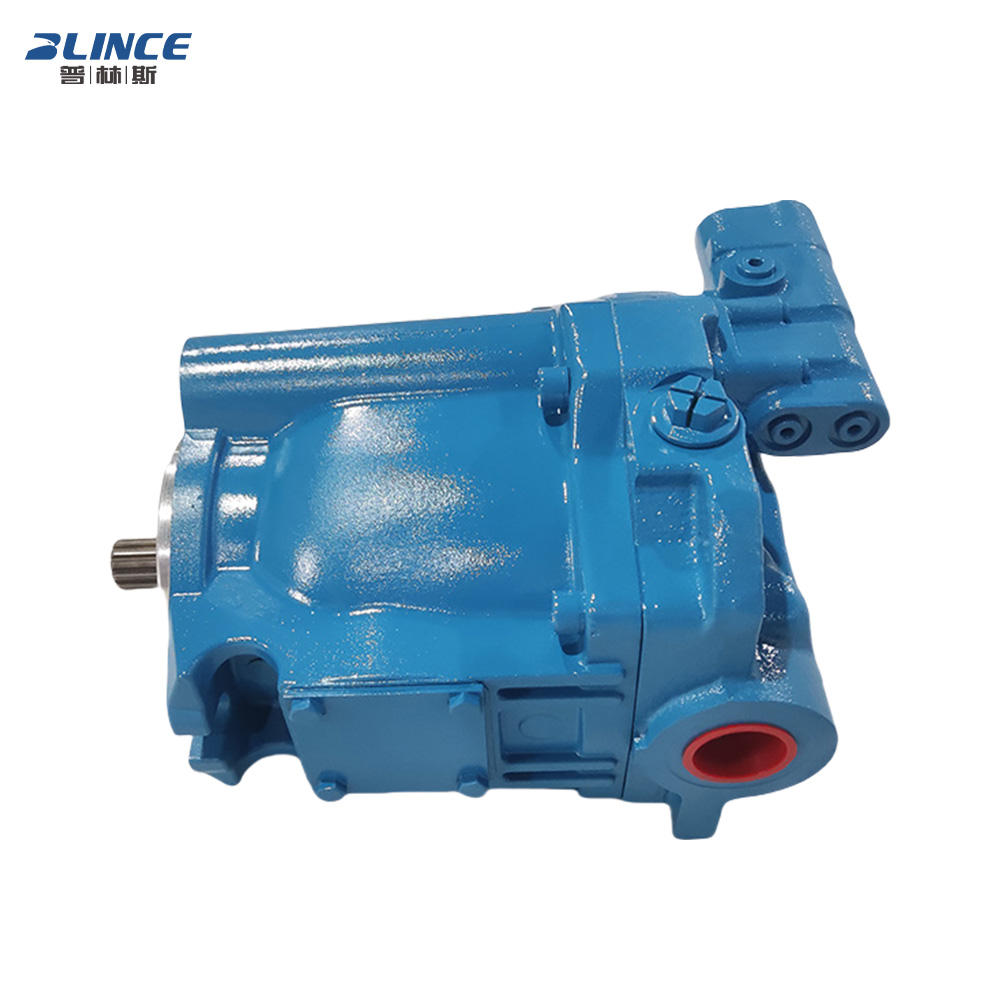
A hydraulic pump is a clever device that turns mechanical motion into fluid power. It pulls hydraulic oil from a reservoir, pushes it through the system, and powers cylinders, motors, or other actuators. Think of it as the heart of a hydraulic system—it keeps everything moving. They are everywhere: construction machines lifting heavy loads, industrial presses shaping metal, or agricultural tractors handling tough fields. The pump itself doesn’t create pressure; it moves the fluid. Pressure appears when that flow meets resistance, like a valve or cylinder in action.
Inside, it has several key parts that work together seamlessly. The drive shaft spins the internal mechanism, gears, vanes, or pistons move the fluid, and the housing keeps everything aligned and sealed. Inlet and outlet ports guide the fluid efficiently. Good pump design also minimizes noise, reduces vibration, and improves energy use. They may seem small, but a hydraulic pump drives some of the most powerful machines we rely on every day.
Hydraulic pumps are compact, versatile, and can be tailored to the system’s needs. They are the hidden heroes behind smooth, reliable machine operation, whether it’s lifting, pressing, or moving.
Types of Hydraulic Pumps
Hydraulic pumps come in three main types: gear pumps, vane pumps, and piston pumps. Each one has a different way of moving fluid, making it suitable for different applications.
Gear Pumps use interlocking gears to carry fluid. They are simple, rugged, and ideal for steady flow systems that don’t need extremely high pressure.
Vane Pumps have sliding vanes inside a rotor. They create smooth, quiet flow, making them excellent for machinery where vibration and noise matter.
Piston Pumps use multiple pistons moving back and forth to draw in and push out fluid. They handle high pressure and allow variable flow, making them perfect for heavy-duty or precise hydraulic systems.
Hydraulic pumps are also classified by displacement:
Fixed Displacement pumps deliver the same flow every rotation. They are predictable and easy to control, perfect for systems that run at a constant speed.
Variable Displacement pumps adjust flow based on demand. They save energy, reduce heat, and allow precise control for machines that change load or speed often.
By choosing the right type, engineers ensure hydraulic systems run efficiently and last longer. Companies like Blince design gear, vane, and piston pumps to combine reliability, precise control, and long-term performance. It’s why a good pump is more than a part—it’s the system’s engine, quietly powering everything behind the scenes.
How Does a Hydraulic Pump Work?
Positive Displacement Principle
Hydraulic pumps work on a simple but powerful idea: positive displacement. They move a fixed amount of fluid each rotation. This motion pushes oil into the hydraulic system, creating flow first. Pressure only builds when that flow meets resistance, such as valves, cylinders, or actuators. It’s a bit like water in a hose—the pump moves the water, and pressure rises when the nozzle restricts flow. Positive displacement ensures predictable, consistent fluid delivery, which is essential for precision machinery.
They are surprisingly versatile. Even small pumps can generate high flow for powerful machines, while larger pumps handle heavy loads. Energy efficiency comes from matching flow to demand, especially in variable displacement designs. They are the core of any hydraulic system, quietly providing the energy needed for motion and control.
Gear Pump Working Mechanism
A gear pump moves hydraulic fluid using two or more meshing gears inside a housing. As the gears rotate, oil is trapped between the teeth and the housing, carrying it from the pump inlet to the outlet. The meshing of gears prevents backflow, ensuring steady, reliable flow.
Gear pumps are often used in mobile machinery, lifts, and industrial presses. They shine where flow consistency is more important than ultra-high pressure. They are simple, reliable, and can operate for thousands of hours with minimal maintenance.
Vane Pump Working Mechanism
Vane pumps use a rotor and sliding vanes to move hydraulic fluid. As the rotor spins, the vanes slide in and out of slots, forming chambers that draw in fluid at the inlet and push it out at the outlet. This mechanism provides smoother flow and reduced pulsation compared to gear pumps.
Key advantages include: quieter operation, lower vibration, and the ability to maintain consistent output under varying speeds. They are ideal for applications where smooth movement is critical, such as precision industrial equipment or sensitive mobile machinery.
Piston Pump Working Mechanism
Piston pumps use multiple pistons inside cylinders to pull in and push out hydraulic fluid. In axial piston pumps, pistons move parallel to the shaft, while in radial piston pumps, they move perpendicular. These pumps are capable of high pressure and can be built with variable displacement, adjusting flow based on system demand.
Piston pumps are the go-to for applications that require precision, high pressure, or energy efficiency. Variable displacement designs save energy and reduce heat by providing only the flow needed at any moment. They are common in construction machinery, industrial presses, and mobile hydraulic systems, where reliability and control are crucial.
Hydraulic Pump Applications and System Role
Where Hydraulic Pumps Are Used
Hydraulic pumps are at the heart of machines we rely on every day. They transform engine or motor motion into fluid power, enabling controlled movement, lifting, and force application. Some common uses include:
Construction machinery – excavators, cranes, and loaders rely on pumps for smooth, precise lifting and digging.
Industrial equipment – presses, conveyor systems, and injection molding machines depend on consistent hydraulic flow to operate efficiently.
Agricultural machinery – tractors, harvesters, and irrigation equipment use pumps to manage motion and fluid delivery across varied terrains.
Mobile systems – forklifts, dump trucks, and utility vehicles need compact pumps to deliver reliable, precise power wherever they operate.
These pumps are designed to withstand tough environments, provide stable performance, and allow operators to work safely and efficiently. Companies like Blince focus on reliability and versatility to meet these real-world demands.
How Pump Operation Affects System Performance
The performance of a hydraulic pump directly influences how the entire system behaves.
Flow rate determines how fast actuators or cylinders move. A higher flow speeds up motion, while too low slows down operations.
Pressure generation defines the force the system can apply. The pump must supply adequate pressure to handle the load safely and efficiently.
System responsiveness depends on how well the pump maintains flow and pressure under varying loads, ensuring smooth, predictable performance.
Performance Factor
Effect on System
Why It Matters
Flow Rate
Controls actuator speed
Too high or low impacts productivity
Pressure
Determines force output
Prevents overloading or underperformance
Responsiveness
Ensures smooth operation
Critical for safety and precision
By understanding these factors, users can select the right pump type and specifications for their system. Proper sizing and design ensure efficient energy use and reduce wear on components.
Noise, Efficiency, and Maintenance Considerations
Noise and vibration are more than annoyances—they reflect pump efficiency and system health. Gear pumps tend to produce audible gear meshing, vane pumps run quieter, and piston pumps deliver smooth operation even under high pressure. Reducing noise improves operator comfort and protects other system components from unnecessary stress.
Routine maintenance keeps pumps performing at their best:
Fluid checks – maintain clean, correct-viscosity fluid to avoid damage.
Seal inspections – catch leaks early before they affect system pressure.
Filter replacement – protects moving parts and ensures smooth operation.
Monitoring performance – track flow and pressure trends to detect early issues.
A well-maintained hydraulic pump not only lasts longer but also keeps the entire system efficient, reliable, and responsive in demanding applications.
Troubleshooting and Optimizing Hydraulic Pump Performance
Common Problems and Symptoms
Hydraulic pumps are strong, reliable workhorses, but even the best pumps can show signs of stress. Keep an eye out for:
Cavitation – Air bubbles in the fluid create knocking sounds, reduce efficiency, and can damage internal components if ignored.
Leaks – Fluid escaping from seals or fittings lowers system pressure and creates messy, unsafe conditions.
Overheating – Usually caused by excessive load, dirty fluid, or poor cooling; it can reduce pump life and performance.
Unusual Noise – Grinding, whining, or rattling often points to worn gears, vanes, or pistons.
Recognizing these symptoms early lets operators act quickly, preventing downtime and protecting expensive machinery.
Diagnosing Hydraulic Pump Issues
Identifying the root of a problem combines measurement and hands-on inspection. Key steps include:
Check Flow and Pressure – Use gauges and meters to see if the pump meets system requirements. Inconsistent flow often signals internal wear or blockages.
Inspect Moving Parts – Examine gears, pistons, and vanes for scoring, scratches, or uneven wear that can reduce efficiency.
Monitor Temperature and Vibration – Excess heat or unusual vibration often points to stress or misalignment.
Symptom
Possible Cause
How to Check
Cavitation
Low fluid level or air in system
Inspect reservoir, suction lines
Leaks
Worn seals or fittings
Visual check for fluid trails
Overheating
High load or poor fluid quality
Monitor temperature, inspect cooling system
Noise
Worn internal parts
Listen, inspect gears/pistons/vanes
Maximizing Pump Life and Efficiency
Keeping a hydraulic pump running smoothly is both an art and science. Consider these points:
Choose the Right Fluid – Correct viscosity and temperature range protect internal parts and improve efficiency.
Regular Maintenance – Clean filters, inspect seals, and monitor fluid condition frequently to prevent small problems from becoming big issues.
Avoid Overloading – Running pumps beyond rated pressure or flow can drastically shorten life.
Adjust Variable Displacement Pumps – Match output to actual system demand rather than operating at full capacity constantly. This saves energy, reduces heat, and lowers wear.
By combining smart operation with proactive care, pumps stay reliable longer. Machines run smoother, operators have more control, and systems remain efficient—even under demanding conditions.
Conclusion
Hydraulic pumps convert mechanical energy into fluid power for machinery. Blince offers gear, vane, and piston pumps designed for high efficiency, smooth operation, and reliable pressure control. Their products handle heavy-duty loads, reduce noise, and support precise hydraulic systems. With advanced designs and responsive service, Blince pumps help machines operate efficiently, last longer, and deliver consistent performance across construction, industrial, and mobile applications.
FAQ
Q: What is a hydraulic pump?
A: A hydraulic pump moves fluid to create flow and pressure, powering cylinders and motors.
Q: How does a hydraulic pump work?
A: It draws fluid from a reservoir and pushes it into the system using gears, vanes, or pistons.
Q: Why is pump efficiency important?
A: Efficient hydraulic pumps save energy, reduce heat, and extend machine life.
Q: Where are hydraulic pumps used?
A: They are used in construction machinery, industrial equipment, agricultural machinery, and mobile systems.
Q: How do I maintain a hydraulic pump?
A: Regular fluid checks, seal inspections, and filter cleaning keep pumps reliable and prevent damage.