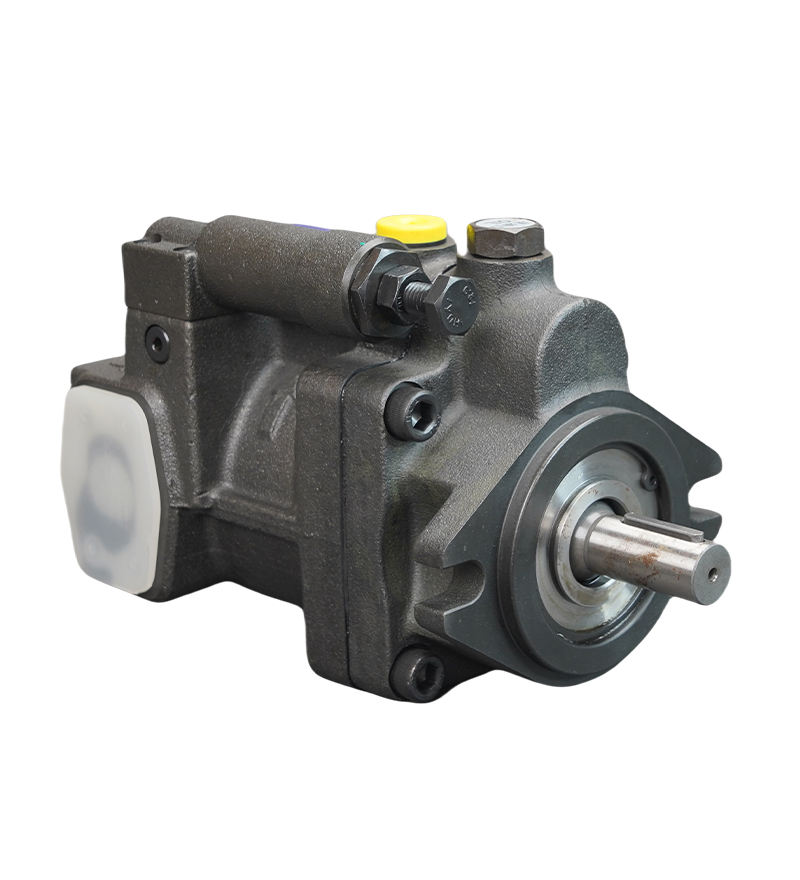
Have you ever wondered why your hydraulic pump isn’t performing as expected? A small issue can quickly lead to downtime and costly repairs. In this article, we explore how to test a hydraulic pump effectively. You will learn step-by-step methods to check flow, pressure, temperature, and detect internal wear, helping you keep your hydraulic system running smoothly and efficiently.
Understanding Your Hydraulic Pump Before Testing
Types of Hydraulic Pumps
Hydraulic pumps come in three main types. Each type has its strengths and ideal applications, so knowing which one you have is key before testing. Gear pumps are compact and reliable. They provide steady flow but may lose efficiency under high pressure, making them great for light machinery or mobile equipment. Piston pumps handle high pressures and variable flows, offering precise control—perfect for construction machines and heavy-duty industrial systems. Vane pumps deliver smooth, quiet operation at medium pressures, ideal when noise reduction is important.
Quick Comparison Table:
Pump Type
Key Strengths
Typical Applications
Gear Pump
Compact, simple, steady flow
Light industrial, mobile machinery
Piston Pump
High-pressure, precise, variable flow
Construction equipment, industrial hydraulics
Vane Pump
Smooth, low-noise, moderate pressure
Medium-duty systems, noise-sensitive machinery
Knowing your pump type helps you anticipate how it should perform during testing and what measurements matter most. Each type reacts differently under load, so testing techniques must match the pump design.
Common Signs a Hydraulic Pump Needs Testing
Hydraulic pumps don’t always fail suddenly. Often, warning signs appear first, and spotting them early saves downtime. Look for:
Reduced flow or pressure: Actuators move slower, cylinders fail to reach full extension.
Abnormal noise or vibration: Whining, knocking, or rattling can indicate internal wear, cavitation, or air in the system.
Overheating: Pump housing or fluid hotter than usual may signal internal leakage or excessive load.
Oil contamination: Discolored, foamy, or milky oil shows wear or air ingress.
Pro Tip: Combine visual checks, listening, and simple measurements for a quick, early snapshot of pump health.
Safety Precautions Before Testing
Hydraulic pumps store a lot of energy. Testing without care can be dangerous. Always follow these steps:
Relieve system pressure: Never connect gauges or hoses while the system is pressurized.
Wear protective gear: Gloves, goggles, face shields; protect eyes and hands.
Use correctly rated equipment: Gauges, hoses, and fittings must match system pressure.
Avoid direct contact with leaks: Even small high-pressure streams can injure.
Remember: Safety doesn’t slow testing. It ensures you can measure pump performance accurately and confidently without accidents. Following these precautions also helps maintain the longevity of your hydraulic pump.
Visual and Operational Inspection of Hydraulic Pumps
Inspecting External Components
When you start inspecting your hydraulic pump, take a careful look at the exterior. If you notice leaks around the fittings, hoses, or the shaft seal, it usually means the pump needs attention. Worn or cracked hoses may seem small, but under pressure they can fail suddenly and disrupt your system. Check the oil too, because it tells you a lot about how your pump is performing. If the oil looks dark, cloudy, or foamy, it could indicate contamination, air in the system, or internal wear. By spotting these signs early, you can prevent bigger problems down the line and keep your system running smoothly.
Checking Pump Operation
Once you’ve checked the outside, you can turn your attention to how the pump actually operates. Make sure it rotates in the correct direction and that the couplings are properly aligned, because even slight misalignment can create vibration and increase wear. When you start the pump, pay attention to how it behaves. You want to see smooth, consistent flow. If you hear whining, knocking, or rattling, it might mean there’s air in the system, cavitation is happening, or internal parts are worn. Watching your pump closely during startup gives you a clear sense of its overall health.
Evaluating Oil and Filtration
You also need to consider oil quality and filtration, which are just as important as the pump’s mechanical condition. Make sure your suction line is free from air and restrictions, because any air pockets can reduce flow and potentially damage the pump. Keep your filters and strainers clean and check that the reservoir is free of debris, because dirty oil or blocked filters forces your pump to work harder and shortens its life. When you maintain clean, unrestricted oil flow, you help your pump perform efficiently and reliably, giving you the results you expect every time.
Performing Hydraulic Pump Performance Tests
Pressure Testing
When you perform a pressure test on your hydraulic pump, you start by connecting a properly rated, calibrated gauge to the system. You want to see how the pump behaves under load, not just when it spins freely. As the system pressure rises, watch the gauge closely. A healthy pump should reach the expected pressure smoothly and hold it consistently. If you notice the pressure struggling to climb or dropping unexpectedly, it might indicate internal wear, a relief valve problem, or air trapped in the suction line. By observing pressure carefully, you get a clear picture of whether the pump is delivering the power your system needs.
Flow Testing
Next, check the pump’s flow using a flow meter in the correct test line. Start slowly and increase system pressure gradually while you monitor the flow. You want to see a steady rate that matches the pump’s rated output. If flow starts to drop as pressure rises, it can point to internal leakage or worn components inside the pump. Comparing your measured flow with the specifications gives you concrete data to assess the pump’s condition. Watching how the flow changes under real working conditions helps you catch issues early, before they affect the whole hydraulic system.
Case Drain Flow Testing
For variable displacement pumps, keeping an eye on case drain flow is important. The case drain carries internal leakage back to the tank, and a small amount is normal—it lubricates and cools the pump. But if the flow is higher than expected, it can mean the pump is experiencing excessive internal wear. You can measure the case drain flow under normal operating speed and pressure to establish a baseline. Later, repeating this measurement over time lets you track wear and know when maintenance is needed, helping you avoid unexpected failures.
Temperature and Motor Current Monitoring
Temperature is a simple yet effective indicator of pump health. Monitor the pump housing, return line, and reservoir oil. If the pump gets hotter than usual, it may be losing efficiency through internal bypassing. Motor current is another clue—if an electrically driven pump draws less or more current than expected under load, it can indicate inefficiencies or mechanical issues inside the pump. By tracking both temperature and current over time, you can spot trends, catch problems early, and keep your hydraulic system running smoothly and efficiently.
Diagnosing Common Hydraulic Pump Problems
Noise and Vibration Analysis
When your hydraulic pump makes unusual sounds, it’s sending you a message. Whining often happens when air enters the system or the suction line is partially blocked. Knocking or rattling can signal cavitation or internal components wearing down. Misaligned couplings or drive shafts also create vibration that you can feel and hear. You can often detect problems just by listening and observing during startup and normal operation. Comparing the pump’s current sound to how it sounded when new helps you spot issues early.
Noise Type
Possible Cause
What to Check
Whining
Air in suction, low oil level
Suction line, oil supply
Knocking
Cavitation, worn components
Pump internals, case drain
Rattling
Misalignment, loose couplings
Couplings, shaft alignment
Pay attention to vibration patterns as well. Even small oscillations can indicate problems before major failure occurs. They often correlate to noise type and severity, giving you more information to act on.
Identifying Internal Wear and Leakage
Internal wear in a hydraulic pump usually shows as flow or pressure loss under load. You may notice that actuators move slower than expected or the system cannot maintain full pressure. Excessive case drain flow is another red flag for internal bypassing. These issues reduce efficiency and increase heat in the pump, which can accelerate wear further. Observing oil quality, temperature, and the pump’s responsiveness under various loads gives a clear picture of internal health. You can track these signs over time to see gradual degradation before it affects system performance.
Troubleshooting External System Issues
Sometimes your pump is fine, but the system causes poor performance. Relief valves set incorrectly can limit pressure or allow flow to bypass. Suction line restrictions or air pockets reduce pump output, causing cavitation and vibration. Downstream components such as cylinders, motors, or directional valves may create back pressure or flow blockages, which your pump must overcome. Testing components in isolation can help identify whether the pump or system is at fault. Using a combination of pressure, flow, and observation allows you to pinpoint problems more accurately and maintain reliable operation.
Conclusion
Testing a hydraulic pump ensures stable flow, pressure, and efficiency under load. By inspecting components, monitoring noise, vibration, temperature, and case drain, you can catch wear early. Blince hydraulic pumps deliver precise control, reliable performance, and durable operation, while the company supports users with technical guidance and service for long-term value.
FAQ
Q: What is a hydraulic pump used for?
A: A hydraulic pump generates flow to power cylinders and motors in hydraulic systems.
Q: How do I test a hydraulic pump?
A: Check pressure, flow, temperature, case drain, and listen for abnormal noise during operation.
Q: Why is my hydraulic pump losing flow?
A: Reduced flow often results from internal wear, air in suction lines, or blockage in the system.
Q: What makes Blince hydraulic pumps different?
A: Blince pumps provide stable pressure, precise control, and are designed for durability in tough applications.
Q: How can I prevent hydraulic pump failure?
A: Regular inspection, monitoring temperature and flow, and following proper maintenance practices help avoid failures.