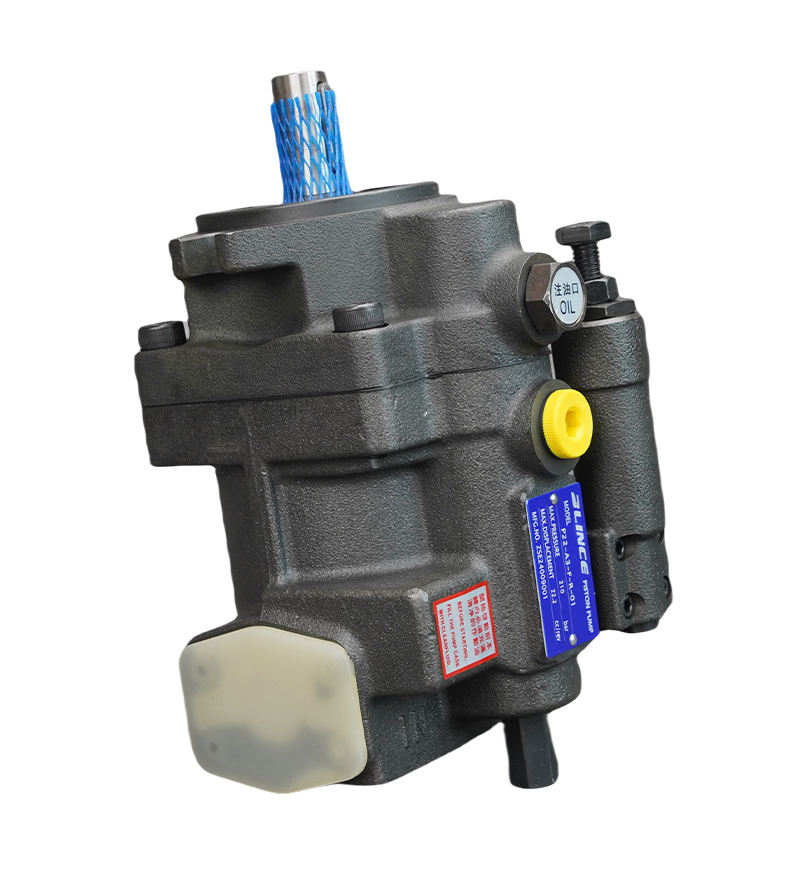
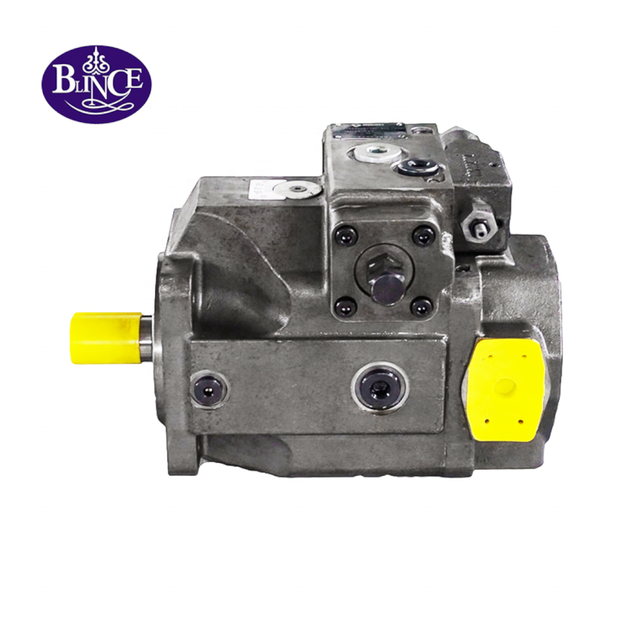
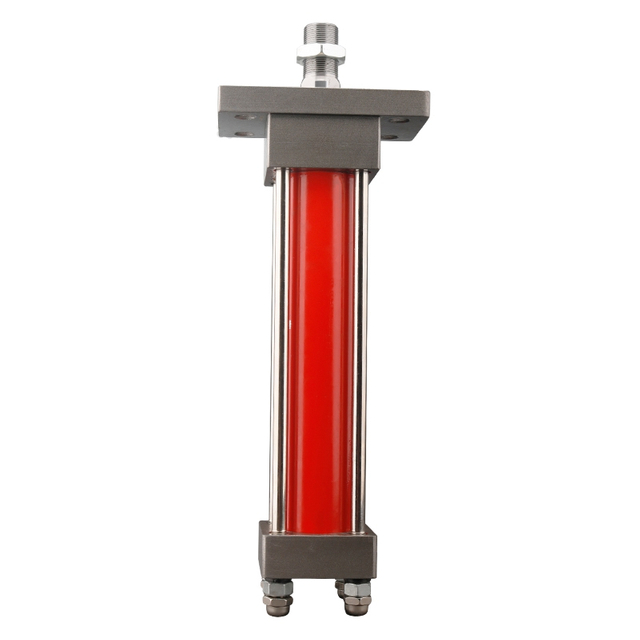
Have you ever wondered how machines lift, push, or move with precision? The answer lies in a hydraulic pump, the heart of every hydraulic system. In this article, we explore the three main types: gear, vane, and piston pumps. You will learn how each type works, their benefits, and which Blince hydraulic pump suits different machinery needs for reliable performance.
Understanding Hydraulic Pumps
What Is a Hydraulic Pump?
A hydraulic pump is a device that moves hydraulic fluid through a system to create flow and pressure. It converts mechanical energy into hydraulic energy, powering cylinders, motors, and other actuators. They are essential in machinery ranging from construction equipment to industrial presses, ensuring smooth, reliable operation. We can think of it as the “engine” behind every hydraulic system. When you choose a pump, you’re choosing the heart of your system—it affects efficiency, responsiveness, and longevity. Blince designs pumps that balance durability and precision, making them ideal for demanding applications.
Key roles of a hydraulic pump include:
Fluid transfer – Moving oil or hydraulic liquid from the reservoir to actuators.
Energy conversion – Turning engine or motor rotation into usable hydraulic power.
System performance – Controlling flow rate, pressure, and responsiveness across machinery.
How Hydraulic Pumps Work
Hydraulic pumps operate by creating flow that produces pressure. Fluid moves through the system and powers work by pushing against pistons, vanes, or gears. The type of pump determines how the fluid is moved, how smooth the flow is, and the maximum pressure achievable. They can be fixed or variable displacement, depending on whether the output flow is constant or adjustable.
Key components of a hydraulic pump:
Component
Function
Example in Blince Pumps
Rotor
Central rotating element that drives fluid movement
Found in vane pumps for smooth, quiet operation
Pistons
Convert mechanical motion to fluid flow in high-pressure systems
Used in Blince piston pumps for construction machinery
Vanes
Slide in and out to draw and push fluid
Common in Blince vane pumps for medium-pressure applications
Gears
Interlocking gears transfer fluid between inlet and outlet
Present in Blince gear pumps for simple, reliable flow
They produce energy in two steps: first, mechanical input moves the fluid; then, the pressurized fluid transfers energy to actuators. You can control speed, pressure, and force by adjusting the pump type or displacement. For example, a variable displacement piston pump from Blince can supply high pressure efficiently while handling changing load demands. They also differ in efficiency, noise levels, and maintenance requirements. Understanding these differences is key for choosing the right hydraulic pump for your equipment.
Hydraulic Gear Pumps
Overview of Gear Pumps
A hydraulic gear pump works by interlocking gears that push hydraulic fluid from the inlet to the outlet, creating a steady flow of power. Its design is elegantly simple, making it compact and easy to fit into tight spaces on industrial or mobile machinery. Blince gear pumps are built for reliability, so you can trust them to keep systems running smoothly without constant supervision. They are low-maintenance, yet durable enough to handle long hours of operation. Installing one feels effortless—they’re versatile, robust, and engineered to make life easier for technicians and operators alike.
Applications of Gear Pumps
Gear pumps shine in applications where stability and reliability are key. They’re commonly used in forklifts, conveyor systems, small industrial machines, and mobile hydraulic equipment. These pumps maintain consistent flow under moderate pressure, even when equipment operates in challenging conditions like vibration or temperature changes. A Blince gear pump is ideal when you need predictable performance and consistent hydraulic output without complicated controls. Customers often appreciate how adaptable they are across different machinery types, from factory floors to construction sites.
Pros and Cons of Gear Pumps
Pros:
Durable: Built to withstand long operating hours and heavy use.
Reliable: Provides stable, predictable flow that keeps machines performing efficiently.
Cost-effective: Simple design reduces purchase and maintenance costs while maximizing uptime.
Cons:
Limited flow control: Cannot adjust output dynamically like a variable displacement piston pump.
More pulsation and noise: Less smooth than vane or piston pumps, which may matter in sensitive applications.
Not ideal for high-pressure systems: Best suited for moderate-pressure operations rather than heavy-duty loads.
For customers looking for a pump that delivers straightforward, dependable hydraulic power, a Blince gear pump is a solid choice. It’s a solution that balances professional reliability with user-friendly operation, making it easy to integrate into a wide range of machinery while keeping maintenance simple.
Hydraulic Vane Pumps
How Vane Pumps Work
A hydraulic vane pump moves fluid using a rotor and sliding vanes that extend outward to contact the pump casing. As the rotor spins, the vanes trap fluid and push it toward the outlet, creating smooth, continuous flow. This design reduces pulsation compared to gear pumps and helps maintain consistent pressure under varying loads. Blince vane pumps use precisely engineered vanes and tight tolerances to ensure efficiency and reliability. They are quieter than many alternatives, which makes them ideal for systems where noise reduction matters. Operators often notice smoother system response, especially in mobile or industrial equipment.
Benefits of Hydraulic Vane Pumps
Vane pumps combine moderate to high-pressure capability with relatively low noise and good efficiency. They adapt well to variable flow demands, maintaining steady performance even in applications that require frequent speed changes. Blince hydraulic vane pumps are engineered for long service life and stable operation, which helps reduce downtime. They also handle temperature fluctuations better than some other pump types, providing confidence in challenging industrial environments.
Key benefits at a glance:
Quieter operation for sensitive machinery.
Reliable flow at moderate-to-high pressures.
Efficient performance across variable speed applications.
Compact design that fits tight system layouts.
Typical Uses for Vane Pumps
Hydraulic vane pumps are common in industrial machinery, machine tools, and mobile equipment. They excel in medium-to-high pressure systems where smooth, reliable flow is needed. Blince vane pumps are frequently used in factory automation, light construction equipment, and mobile hydraulic systems where vibration, noise, and flow stability are concerns. Operators appreciate the balance between reliability and performance, making them versatile for a wide range of applications.
Application
Why Vane Pumps Are Suitable
Example Equipment
Industrial machinery
Smooth flow and consistent pressure
Hydraulic presses, injection machines
Machine tools
Quiet operation with moderate pressure
CNC machines, milling machines
Mobile equipment
Reliable under variable load
Forklifts, small construction machinery
Maintenance and Longevity
Vane pumps perform best when fluid cleanliness is maintained. Particles, air, or contamination can cause wear and reduce efficiency, so filtration and proper reservoir management are essential. Regular inspection of the vanes, rotor, and pump casing helps catch early wear signs. Blince recommends monitoring fluid temperature and pressure to avoid overheating or overloading the system. Proper lubrication, fluid replacement schedules, and routine checks keep vane pumps operating efficiently for years, minimizing unexpected downtime. They are engineered for durability, but attention to operating conditions ensures maximum lifespan.
Hydraulic Piston Pumps
Piston Pump Mechanism
A hydraulic piston pump moves fluid using multiple pistons that reciprocate inside cylinders. Axial piston pumps have pistons arranged parallel to the drive shaft, producing smooth, high-pressure flow ideal for mobile and construction machinery. Radial piston pumps have pistons arranged perpendicular to the shaft, offering precise control and high efficiency in stationary industrial equipment. Pumps can be fixed displacement, delivering constant flow, or variable displacement, allowing adjustable flow based on system demand. Blince piston pumps are engineered to optimize both pressure output and efficiency, making them reliable for heavy-duty applications. Their compact design also allows installation in tight, high-performance systems.
Advantages of Hydraulic Piston Pumps
Piston pumps are known for handling high pressures, delivering precise flow, and maintaining efficiency over a wide range of operating conditions. They can sustain heavy loads and variable speeds while minimizing energy loss. Blince hydraulic piston pumps provide smooth, steady output even in demanding environments, reducing stress on other system components. Their robust design ensures long operational life and consistent performance, which makes them a preferred choice for customers who rely on reliable, high-capacity hydraulic power.
Precise flow control for accurate hydraulic operation.
High efficiency over variable speeds and loads.
Durable and engineered for long-term performance.
Ideal Applications for Piston Pumps
Hydraulic piston pumps excel in applications requiring high pressure and precise control. They are commonly used in engineering machinery, construction equipment, agricultural machines, and heavy-duty industrial systems. Blince piston pumps are often selected for equipment that operates under continuous load or extreme conditions. They provide the flow stability and efficiency necessary for hydraulic motors, lifting systems, and large-scale industrial actuators.
Application
Why Piston Pumps Are Suitable
Example Equipment
Construction machinery
High pressure and heavy-duty capability
Excavators, cranes
Agricultural machinery
Efficient, reliable flow control
Tractors, harvesters
Industrial systems
Precise operation and durability
Presses, hydraulic presses
Engineering machinery
Variable flow under changing loads
Drilling rigs, road machinery
Key Considerations When Selecting a Piston Pump
Choosing the right piston pump requires evaluating flow requirements, maximum operating pressure, and expected load variations. Maintenance needs are also crucial, as high-performance pumps require clean fluid and regular inspection. Blince recommends matching pump type and displacement to specific system requirements to achieve optimal efficiency. Variable displacement pumps offer flexibility when load and speed change frequently, while fixed displacement pumps provide simplicity and consistent output for repetitive tasks. Paying attention to operating conditions ensures long service life and stable hydraulic performance.
How to Choose the Right Hydraulic Pump
Factors to Consider
Choosing the right hydraulic pump isn’t just about buying a part—it’s about ensuring your machinery runs efficiently, reliably, and smoothly for years. Here’s what to focus on:
Flow Rate – Make sure the pump supplies enough fluid for your system. Too little flow slows operations, too much wastes energy.
Operating Pressure – Pumps must handle peak loads safely. Underestimating pressure requirements can lead to reduced performance or damage.
Efficiency – A more efficient pump reduces energy costs and heat buildup, keeping your system healthier over time.
Application Type – Industrial, mobile, or agricultural machinery each have unique demands. Match the pump type to where it will work.
Cost vs Value – Investing in a high-quality Blince hydraulic pump can save money by reducing downtime, extending service life, and lowering maintenance frequency.
Comparing Gear, Vane, and Piston Pumps
Understanding the differences between pump types helps you pick the right one. Here’s a clear, easy-to-read comparison that customers often find useful:
More complex, higher cost, requires regular fluid maintenance
Customer Tip:
Think about how your machinery will be used day-to-day. A gear pump works great for stable, simple systems. A vane pump fits quieter, smoother applications. A piston pump handles heavy loads or fluctuating demands. Blince hydraulic pumps cover all three, giving you confidence in reliability, efficiency, and long-term performance.
Conclusion
Blince offers three main types of hydraulic pumps: gear, vane, and piston. Each pump delivers reliable performance, efficiency, and smooth operation for industrial, mobile, and agricultural machinery. Their products provide precise flow control, high pressure handling, and long service life, helping customers reduce downtime and maintain system stability. Blince combines durable design, advanced engineering, and technical support to ensure hydraulic pumps meet diverse operational needs while maximizing value and performance.
FAQ
Q: What is a hydraulic pump?
A: A hydraulic pump converts mechanical energy into hydraulic power to move fluid in machinery, enabling smooth operation.
Q: How do gear, vane, and piston pumps differ?
A: Gear pumps are simple and reliable, vane pumps are smoother and quieter, and piston pumps handle high pressure efficiently.
Q: Why choose a Blince hydraulic pump?
A: Blince pumps offer durability, precise flow, and high efficiency, supporting industrial, mobile, and agricultural equipment.
Q: Where are hydraulic pumps commonly used?
A: They are used in construction machinery, industrial systems, agricultural equipment, and mobile hydraulic applications.
Q: How to maintain a hydraulic pump?
A: Regular inspection, clean fluid, and monitoring pressure and temperature help extend pump life and efficiency.