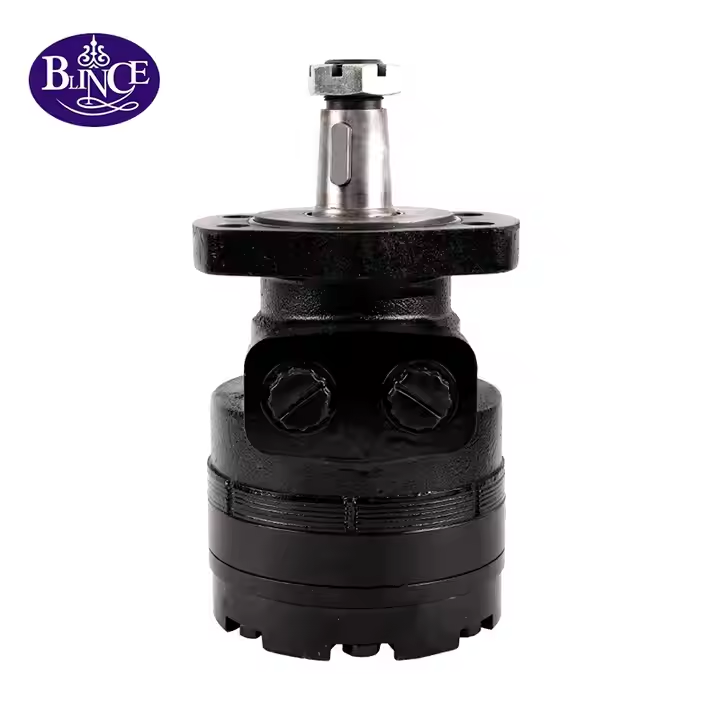
Have you ever wondered if your hydraulic motoris working at its best? Hydraulic motors are essential in powering machinery across many industries, but ensuring they function properly requires regular testing. In this article, we’ll walk you through the most important tests for hydraulic motors, including how to measure speed, torque, and check for leaks. By the end, you’ll understand how to keep your hydraulic motors running smoothly and efficiently.
Understanding Hydraulic Motors
What Are Hydraulic Motors?
Hydraulic motors are devices that convert hydraulic energy, supplied by pressurized fluid, into mechanical energy in the form of rotational motion. Unlike hydraulic pumps, which generate flow, hydraulic motors take that flow and turn it into torque that can drive machinery. These motors are widely used in applications that require high torque at low speeds, such as construction equipment, mobile machinery, and industrial systems.
There are several types of hydraulic motors, each suited for specific tasks depending on their design and operational characteristics. Here’s a breakdown of the most common types:
Orbital Motors: Known for their compact design, orbital motors are commonly used in mobile applications, such as winches and agricultural machinery. They offer high torque and efficiency.
Radial Piston Motors: These motors are designed for high torque and low-speed applications. They are typically used in heavy-duty industrial applications like tunnel boring and construction equipment.
Axial Piston Motors: Used in systems requiring precise control of speed and torque, axial piston motors are ideal for high-pressure systems such as hydraulic presses.
Gear Motors: Simple and cost-effective, gear motors are often used in low-pressure applications such as fluid pumps and conveyors.
Slewing Motors: These are specialized motors used for rotating machinery, such as cranes, excavators, and other heavy lifting equipment.
Travel Motors: Found in tracked machinery, travel motors provide the power needed for moving equipment over various terrains.
Types of Hydraulic Motors Table:
Type of Hydraulic Motor
Common Applications
Key Features
Orbital Motors
Agricultural machinery, winches
Compact, high torque, efficiency
Radial Piston Motors
Tunnel boring, construction
High torque, low speed, heavy-duty
Axial Piston Motors
Hydraulic presses, industrial systems
Precise control, high pressure
Gear Motors
Fluid pumps, conveyors
Simple, cost-effective, low pressure
Slewing Motors
Cranes, excavators
Specialized for rotational movement
Travel Motors
Tracked machinery
Power for moving across terrains
How Do Hydraulic Motors Work?
The fundamental principle behind a hydraulic motor is simple: it converts the flow of hydraulic fluid into mechanical motion, typically in the form of rotation. A hydraulic motor consists of several key components, including the case, shaft, gears, and pistons. Each part works in harmony to ensure that the motor operates smoothly and efficiently under the given hydraulic pressure.
Case: The outer structure of the motor that houses the internal components and contains the hydraulic fluid.
Shaft: Connected to the output of the motor, the shaft transmits the rotational energy to the connected machinery or load.
Gears: In gear motors, gears play a critical role in transferring the fluid’s pressure into rotational motion.
Pistons: In axial and radial piston motors, pistons move in response to hydraulic pressure, generating torque through their rotation.
Key Differences Between Hydraulic Motors and Pumps
Hydraulic motors and hydraulic pumps are two essential components in hydraulic systems, but they serve opposite functions. While both rely on hydraulic fluid to perform their duties, they have distinct roles and operational mechanics. Here's a breakdown of the key differences:
Function:
Hydraulic Motors: Hydraulic motors convert hydraulic energy (fluid flow and pressure) into mechanical energy (rotational motion). They are used to drive machinery, providing torque to move equipment, rotate shafts, or power vehicles.
Hydraulic Pumps: In contrast, hydraulic pumps generate flow by converting mechanical energy into hydraulic energy. They take in mechanical power from an engine or motor and turn it into hydraulic fluid flow, which powers the rest of the system.
Operation:
Hydraulic Motors: These motors typically work by utilizing the fluid’s pressure to rotate the motor shaft. Depending on the motor type (orbital, radial piston, axial piston, etc.), the fluid flow is directed through internal components, causing them to move and generate mechanical work.
Hydraulic Pumps: Pumps operate by drawing fluid from the reservoir and pushing it into the system at a controlled pressure. The type of pump (gear, vane, piston) determines how fluid is moved and how pressure is generated.
Energy Conversion:
Hydraulic Motors: Convert fluid pressure and flow into mechanical power (torque and rotational motion).
Hydraulic Pumps: Convert mechanical power (typically from an engine or electric motor) into hydraulic fluid flow, which then powers motors or other components in the system.
Preparing for Hydraulic Motor Testing
Safety Precautions Before Testing
Before testing any hydraulic motor, ensuring safety is paramount. Hydraulic systems operate under high pressure, and improper handling could lead to equipment failure or personal injury. Here are key safety precautions to take before performing any test:
Check Equipment Integrity: Ensure that all hoses, fittings, and connections are secure. Leaking hydraulic fluid under high pressure can be hazardous.
Personal Protective Equipment (PPE): Always wear appropriate PPE, such as gloves, safety goggles, and hearing protection. This will protect you from flying debris and exposure to high-pressure fluid jets.
Inspect the Hydraulic Fluid: Check the fluid level and cleanliness. Contaminated or low-quality fluid can cause inaccurate test results and potential motor damage.
Proper Ventilation: If testing is performed in an enclosed space, ensure proper ventilation to avoid buildup of hazardous fumes from the hydraulic fluid.
By following these precautions, you not only protect yourself but also extend the lifespan of the equipment being tested.
Tools and Equipment Needed for Testing
Testing a hydraulic motor requires precision and the correct tools to ensure accurate results. Here's a list of the tools you'll need to perform a comprehensive test:
Pressure Gauges: These are essential for monitoring the inlet and outlet pressure of the hydraulic motor. They help ensure that the motor operates within its specified pressure range.
Flow Meters: Flow meters measure the amount of fluid moving through the motor. This is crucial for determining whether the motor is operating at its optimal flow rate.
Tachometers: Used to measure the motor's speed (RPM), tachometers help assess whether the motor is reaching the required operational speed under load.
Torque Sensors: These sensors measure the rotational force generated by the motor, which is important for understanding the motor's efficiency and overall performance.
Hydraulic Test Rigs: A test rig is necessary for simulating the conditions under which the motor will operate. This allows for load testing and ensures that the motor can handle real-world demands.
Temperature Sensors: Monitoring the temperature during testing is essential, as it provides insight into whether the motor is overheating, which can indicate problems like excessive friction or internal leakage.
Table: Tools for Hydraulic Motor Testing
Tool
Purpose
Importance
Pressure Gauge
Measures inlet and outlet pressure
Ensures motor operates within safe limits
Flow Meter
Measures hydraulic fluid flow rate
Confirms proper motor speed and output
Tachometer
Measures motor speed (RPM)
Verifies the motor runs at expected speeds
Torque Sensor
Measures rotational force (torque)
Checks motor efficiency and load handling
Test Rig
Simulates load conditions and hydraulic cycle
Validates motor's capability in real-world applications
Temperature Sensor
Monitors motor temperature during test
Prevents overheating and ensures safe operation
Step-by-Step Guide to Testing Hydraulic Motors
Performing a No-Load Test
A no-load test is one of the most fundamental procedures when testing hydraulic motors. This test ensures that the motor can rotate freely without any external force or load. It allows you to check basic functionality and pinpoint early-stage issues before applying any load.
How to Test: To perform this test, first connect the hydraulic motor to the test rig and supply it with hydraulic fluid. Ensure that the motor is not connected to any machinery or load. Start the motor, and observe its ability to rotate without strain.
Rotation Direction and Smooth Operation: Check the motor's rotation direction to ensure it's in line with the intended setup. The rotation should be smooth and continuous without jerking or stopping unexpectedly.
Noise and Vibration Observation: Listen carefully for any unusual noise during the motor's operation. Excessive noise could indicate internal damage or the presence of air in the system. Vibration should also be minimal. High vibration often signals misalignment or an unbalanced load within the motor.
Measuring Flow Rate and Speed
The next essential test for hydraulic motors is measuring their flow rate and speed. These factors play a significant role in determining the motor's overall efficiency and performance.
Tachometer Usage: To measure the motor’s speed, use a tachometer, which will provide the motor's revolutions per minute (RPM). This helps confirm whether the motor is running at the expected speed for the given system setup.
Importance of Flow Rate: Flow rate determines how much hydraulic fluid moves through the motor per unit of time. This directly affects the motor's speed. The flow rate should be consistent with the motor's specifications to ensure proper performance.
Expected Flow Rate Calculation: The expected flow rate can be calculated based on the motor's displacement and the rotational speed. For example, a motor with a displacement of 100 cc/rev at 1000 RPM should ideally have a flow rate of 100 L/min.
Table: Flow Rate Calculation Example
Motor Displacement (cc/rev)
RPM (Revolutions per Minute)
Expected Flow Rate (L/min)
100 cc/rev
1000 RPM
100 L/min
150 cc/rev
1200 RPM
180 L/min
75 cc/rev
1500 RPM
112.5 L/min
Load Testing the Hydraulic Motor
After the no-load and flow tests, the next step is load testing. This step simulates real-world conditions by gradually applying load to the motor, allowing you to evaluate its performance under pressure.
How to Apply Load: Begin by applying a small load to the motor and gradually increase it. Monitor the motor's response to ensure that it maintains its speed and torque output. It's essential to control the load increase to prevent overwhelming the motor during the test.
Pressure and Torque Monitoring: As the load increases, observe the pressure and torque generated by the motor. If the motor maintains consistent pressure and torque, it indicates that the motor is functioning properly. However, if pressure drops significantly or the torque reduces, it could signal internal wear or leakage.
Comparing with Manufacturer Specifications: After performing the load test, compare the results with the motor's rated specifications. If the motor fails to meet these expectations, it may need repairs or a deeper inspection.
Checking Case Drain Flow and Internal Leakage
Finally, checking the case drain flow and internal leakage is essential to assess the motor's long-term reliability. Internal leakage can significantly reduce a motor's efficiency and operational life.
Case Drain Flow Importance: The case drain flow is the amount of hydraulic fluid that escapes from the motor and returns to the reservoir. A slight amount of leakage is normal, but excessive case drain flow indicates wear or internal damage.
Measuring Case Drain Flow: To measure the case drain flow, use a flow meter and compare the measurement with the manufacturer's specified leakage rate. A high case drain flow could signal that internal seals, bearings, or pistons are worn out.
Signs of Internal Leakage: Increased case drain flow, motor overheating, and loss of pressure or torque are common signs of internal leakage. If internal leakage is detected, the motor may require maintenance or replacement.
Table: Case Drain Flow and Leakage
Hydraulic Motor Model
Normal Case Drain Flow (L/min)
Maximum Allowable Leakage (L/min)
OMM Series
0.5 L/min
1 L/min
OMH Series
0.4 L/min
0.8 L/min
BMB-80
0.6 L/min
1.2 L/min
Troubleshooting and Diagnosing Issues
Common Hydraulic Motor Issues and Their Causes
When testing hydraulic motors, it's crucial to look out for common issues that could hinder performance. Some of these problems may not be immediately obvious but can lead to significant inefficiencies or even motor failure if not addressed. Below are a few typical issues that could arise:
Low Torque Output Despite High Pressure:
One of the most common issues is low torque output when the motor is under high pressure. This could be caused by internal leakage, worn seals, or damaged components like the pistons or gears. In some cases, inadequate fluid viscosity or improper oil flow could also lead to insufficient torque generation.
How to Fix It: To fix low torque issues, first check the oil quality and ensure it meets the recommended specifications. If the oil is contaminated or has been degraded, replace it. Next, inspect the motor for internal wear or damage, particularly the seals and gears. If necessary, perform maintenance or replace the motor components.
Inconsistent Motor Speed or Erratic Performance:
If the motor's speed fluctuates unexpectedly or the performance is erratic, it may indicate problems with fluid flow or contamination within the system. Variations in the flow rate, pump issues, or air in the system can result in inconsistent motor behavior.
How to Diagnose and Fix It: Check for air bubbles or contamination in the hydraulic fluid. Contaminated fluid could clog the system and cause uneven pressure. Perform a flow rate test to ensure that the correct flow is being delivered to the motor. If necessary, flush the system and replace the filters.
Unusual Noise or Vibration During Operation:
Any unusual noise or excessive vibration coming from the motor indicates that something is wrong. Possible causes include cavitation, insufficient lubrication, or worn components such as bearings or gears. These issues could lead to further damage if not addressed.
What These Symptoms Indicate:
Cavitation: A result of air or vapor bubbles forming in the fluid, which can cause violent vibrations and damage to internal components.
Insufficient Lubrication: This can cause friction between motor parts, resulting in noise and possible wear.
Steps to Address Them: Check the fluid for air bubbles and ensure that the system is adequately pressurized. Inspect the motor’s components, especially the bearings and gears, for signs of wear. If the motor is cavitating, adjusting the inlet pressure or improving the fluid supply can help resolve the issue.
Identifying and Addressing Internal Leakage
Internal leakage is one of the most common problems affecting hydraulic motors. It occurs when the hydraulic fluid bypasses the intended paths inside the motor, reducing efficiency and increasing wear. Detecting and resolving internal leakage early can help prolong the motor's lifespan and avoid costly repairs.
Importance of Identifying Internal Leakage Early:
Internal leakage can significantly reduce the motor's performance by allowing fluid to bypass key components, such as pistons or seals. Early identification helps prevent further damage and ensures that the motor operates efficiently. If left unchecked, internal leakage could lead to overheating, power loss, and eventual motor failure.
Common Signs of Internal Leakage:
Loss of Power: A decrease in torque and power output even when the system is under the correct pressure may indicate internal leakage.
Overheating: Excessive internal leakage often leads to heat buildup as fluid bypasses internal channels, causing friction and energy loss.
Increased Case Drain Flow: High case drain flow can be a clear indicator that there is internal leakage in the motor. This could be caused by worn seals, gaskets, or other internal components.
Steps to Resolve Internal Leakage:
Step 1: Check for Seal Damage: Start by inspecting the motor seals. Damaged seals are a common source of leakage, and replacing them can often resolve the issue.
Step 2: Inspect for Internal Wear: If seals are intact, look for wear on internal components like pistons, gears, or shafts. If any parts are damaged, they may need to be replaced.
Step 3: Test the System’s Integrity: Conduct a case drain flow test and compare it to the manufacturer’s specifications. If the flow exceeds the acceptable limit, it’s a clear sign that internal leakage is present and the motor may need repair or replacement.
Step 4: Perform a Full System Flush: Contamination can contribute to internal leakage, so it’s a good idea to flush the hydraulic system and replace the fluid. Ensure that the system is clean and free from debris that may cause further damage.
Post-Test Procedures and Final Checks
Inspecting for External Leakage
After performing all primary tests, it's critical to inspect the hydraulic motor for any external leaks. Hydraulic systems operate under high pressure, and even a small leak can lead to significant efficiency loss or damage over time. Here's how you can ensure your hydraulic motor remains leak-free:
How to Check for External Leaks:
Begin by visually inspecting the motor’s seals, ports, and fittings. Use a clean cloth or paper towel to wipe around the motor’s seams and connections. Look for any fluid residue or signs of leakage. Pay close attention to the shaft seal area, as this is a common point of failure.
The Importance of Checking After Load Testing and Case Drain Flow Tests:
After load testing and case drain flow tests, it's important to check for leaks because these tests put the motor under more strain. High-pressure conditions can cause seals and fittings to degrade or loosen. This post-test inspection will catch any potential issues early.
How to Seal and Prevent Future Leaks:
If any leaks are found, the first step is to tighten any loose fittings. If seals are damaged, they will need to be replaced. Make sure to use genuine replacement parts from manufacturers like Blince to maintain system integrity. During routine maintenance, consider applying thread sealant to prevent minor leaks in threaded connections and regularly checking seals for wear.
Table: Common Sources of External Leaks in Hydraulic Motors
Leak Source
Common Causes
Solution
Shaft Seal
Worn seals, improper installation
Replace the shaft seal with a high-quality one
Ports and Fittings
Loose connections or aging seals
Tighten fittings and inspect seals regularly
Housing Seams
Cracks or damage from excessive pressure
Inspect motor for damage and replace as needed
Analyzing Test Results and Making Adjustments
After conducting all tests, the next step is to analyze the results and make any necessary adjustments to optimize the motor’s performance. Here’s how you can approach this important step:
How to Compare the Test Results Against Manufacturer Specifications:
The manufacturer will provide detailed specifications for the motor, including pressure, torque, speed, and flow rate. Compare your test data with these values to see if the motor is performing within the expected range. If there's a discrepancy, it could indicate internal damage, incorrect settings, or the need for maintenance.
What to Do if the Motor Fails Certain Tests:
If the motor fails key tests, take the following steps:
Repair: For minor issues like leaking seals or clogged ports, performing repairs may be sufficient to restore full function.
Replacement: If the motor shows signs of significant internal damage (e.g., damaged bearings, excessive wear), it might need to be replaced.
Further Investigation: If the issue is unclear, it may be necessary to investigate further by inspecting the hydraulic system, the control valve, or the power supply.
Adjusting Hydraulic System Settings Based on Test Results:
If the motor passes all tests but doesn’t perform optimally, consider adjusting system settings such as pressure relief valves, fluid flow rates, or motor speed. For example, Blince hydraulic motors are designed to handle specific pressure ranges; adjusting the pressure could enhance efficiency without compromising motor lifespan.
Conclusion
Testing a hydraulic motor involves checking its ability to operate under different conditions. Key tests include no-load testing, measuring flow rate and speed, and load testing. Additionally, checking for internal leakage and case drain flow is essential for maintaining efficiency. Blince, with over 20 years of experience in hydraulic motor manufacturing, provides high-quality motors that meet strict performance standards. Their motors, such as the OMH series, are built for durability and efficiency, ensuring smooth operations in demanding applications.
FAQ
Q: What is a hydraulic motor?
A: A hydraulic motor converts hydraulic energy into mechanical work, typically rotational motion, and is commonly used in mobile and industrial machinery.
Q: How do you test a hydraulic motor’s performance?
A: To test hydraulic motors, perform no-load tests, measure flow rates, check for leakage, and analyze speed and torque under load conditions.
Q: Why is case drain flow important in hydraulic motor testing?
A: Case drain flow helps detect internal leakage, which can reduce the motor's efficiency and lead to premature wear if not addressed.
Q: What should you do if a hydraulic motor fails the tests?
A: If the motor fails, inspect for damage, replace worn seals, or consider replacing the motor if internal components are beyond repair.
Q: How can Blince hydraulic motors benefit my operations?
A: Blince hydraulic motors, known for their high torque and reliability, provide value by ensuring long-term performance, even under challenging work conditions.