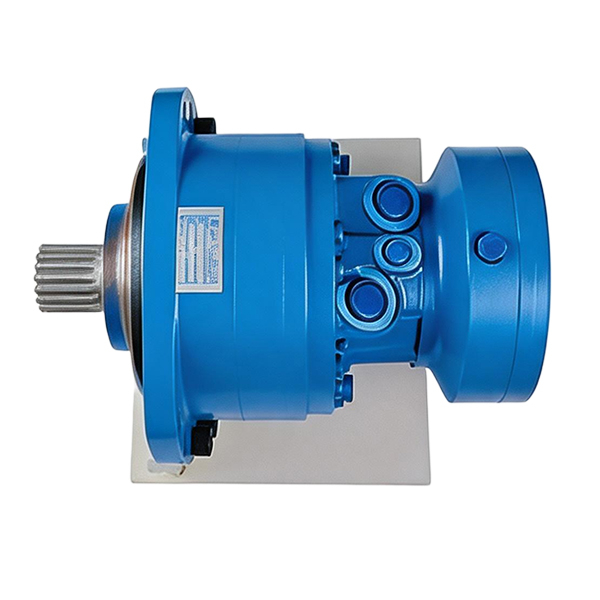
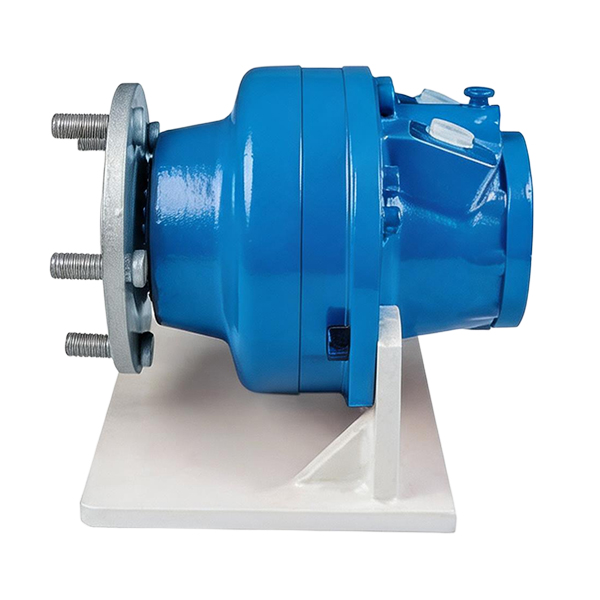
In heavy-duty industrial environments, high power density and ruggedness are non-negotiable. When equipment faces extreme shock loads, continuous vibration, and harsh elements, electric motors frequently fail to meet performance thresholds. Fluid power remains the industry standard for these demanding applications. Mis-specifying a Hydraulic Motor leads to catastrophic system failures, severe volumetric inefficiencies, overheating, and unacceptable equipment downtime. Engineers must account for dynamic loads, ambient temperatures, and fluid compatibility to ensure reliable operation. When an actuator cannot handle the system pressure or radial load, internal components degrade rapidly, contaminating the entire fluid circuit. This technical evaluation guide provides engineers and procurement managers with the framework to match specific motor types—such as gear, vane, piston, and orbital designs—to the exact torque, speed, and environmental demands of construction, agricultural, and marine applications. By understanding mechanical limitations and efficiency curves, system integrators can optimize performance and extend equipment lifespans.
Application Dictates Architecture: Piston motors dominate high-pressure construction tasks, while orbital motors provide the necessary High-Torque Low-Speed (HTLS) stability for agricultural attachments.
Environmental Resilience is Critical: Marine and construction applications require distinct sealing and housing materials to mitigate saltwater corrosion and abrasive dust ingress, respectively.
Efficiency vs. Cost Trade-offs: While gear motors offer lower initial costs for basic agricultural implements, axial piston motors deliver the superior volumetric efficiency required for continuous-duty marine and earthmoving equipment.
Contamination Control is the Primary Risk: Across all industries, 80% of hydraulic motor failures stem from fluid contamination, necessitating rigorous filtration and thermal management strategies.
The Green Transition: Modern hydraulic applications increasingly require compatibility with biodegradable fluids and integration with electro-hydraulic hybrid systems to balance power density with sustainability mandates.
Table of Contents
Toggle
Core Evaluation Criteria for Fluid Power Selection
Defining success criteria requires establishing strict engineering baselines. Operating pressure, measured in PSI or Bar, dictates the structural integrity of the housing and the type of internal seals required. A system running at 5,000 PSI demands vastly different metallurgy than one operating at 1,500 PSI. Displacement, measured in cubic centimeters per revolution (cc/rev), determines the exact volume of fluid needed to complete one full rotation of the output shaft. The required flow rate, calculated in gallons or liters per minute (GPM/LPM), establishes the operational speed. You must lock in these three metrics before looking at specific architectures.
When reading a manufacturer's performance curve, you must look at the intersection of pressure and flow to determine actual output torque and speed. Theoretical torque assumes 100% efficiency, which does not exist in the field. You must apply the mechanical efficiency percentage—often between 80% and 90% depending on the design—to find the actual torque delivered to the shaft. Furthermore, back-pressure in the return line reduces the effective pressure differential across the motor, directly reducing output torque. Field engineers must size return lines generously to minimize this back-pressure.
The decision framework for choosing between High-Torque Low-Speed (HTLS) and high-speed configurations depends entirely on the driven load mechanics. HTLS configurations excel in heavy lifting, turning, and propulsion tasks where external gear reduction is impractical or space-constrained. They deliver immense rotational force directly to the shaft at low RPMs. Conversely, high-speed configurations are necessary for fan drives, centrifuges, and rapid-cycling mechanisms where rotational velocity takes precedence over raw torque output.
Mechanical and volumetric efficiency directly impact system performance and heat generation. Volumetric efficiency drops when internal leakage occurs under heavy loads. Fluid bypasses the primary driving mechanisms through worn clearances, reducing output speed and generating excess heat in the reservoir. Mechanical friction impacts the starting torque. An actuator with low mechanical efficiency requires significantly more pressure to initiate movement from a standstill, which can stall a prime mover if not properly accounted for. You must evaluate these efficiency curves at the specific operating parameters of your intended application, not just at the manufacturer's peak ratings.
Sizing and radial or axial load capacity determine whether the shaft can drive a load directly. Wheel drives bear the entire weight of the vehicle and require massive tapered roller bearings to handle the overhung load. Actuators driving through a gearbox experience entirely different stress profiles, primarily transmitting pure torque with minimal radial side-loading. Miscalculating these forces leads to premature bearing failure, shaft deflection, and blown seals.
Fluid compatibility and environmental standards now dictate many design choices. Eco-friendly and biodegradable hydraulic fluids, such as HEES (synthetic esters) and HEPG (polyglycols), are frequently mandated in sensitive environments. These fluids possess different viscosity indexes and chemical properties compared to standard mineral oils. Elastomers and seals must be specifically matched to these fluids to prevent swelling, degradation, and subsequent fluid loss.
Hydraulic Motor Applications in the Construction and Heavy Mining Industries
Earthmoving equipment relies heavily on axial piston architectures for track drives and swing functions. Track drives require exceptional power density to propel heavy machinery across uneven, muddy terrain while carrying massive payloads. Axial piston designs handle extreme pressure spikes during aggressive digging and lifting operations. The variable displacement capabilities of these units allow excavators to shift seamlessly between high-torque travel modes for climbing grades and high-speed repositioning modes for flat ground, maximizing operational efficiency on the job site.
Loaders, trenchers, and drilling rigs encounter severe shock loads during daily operation. When a trencher hits solid rock or a drill bit binds in dense shale, the actuator must withstand sudden stalling without sustaining internal damage. Robust internal components and fast-acting pressure relief valves protect the system from catastrophic pressure spikes. Drilling rigs utilize high-torque orbital or radial piston designs to maintain consistent rotational force through varying soil densities, ensuring steady progress without overheating the fluid circuit.
In the mining sector, fluid power drives underground continuous miners, heavy-duty slurry pumps, and rotary drill heads. These environments feature high ambient temperatures, abrasive particulate, and explosive atmospheres. Equipment operating in these zones often requires ATEX certification to ensure no sparking occurs during operation. Fluid power provides an inherent safety advantage over electrical systems in these volatile environments, delivering massive force while completely mitigating ignition risks.
Implementation risks in construction and mining require aggressive mitigation strategies. Abrasive dust, silica, and coal particulate present constant threats to shaft seals and exposed components. When dust bypasses the primary wiper seal, it scores the shaft and destroys the main pressure seal, leading to rapid fluid loss. Thermal management presents another significant challenge. Continuous, high-load operation in high-ambient temperatures degrades fluid viscosity. Degraded fluid reduces lubricity, increasing internal wear and accelerating component failure.
To mitigate dust and thermal risks on construction sites, field engineers implement several specific strategies:
Install heavy-duty dual-lip wiper seals on all exposed rotating shafts.
Upgrade reservoir breathers to high-capacity desiccant filters that trap airborne silica.
Integrate oversized fluid coolers with thermostatically controlled hydraulic fan drives.
Implement routine fluid sampling to monitor particulate counts and viscosity breakdown.
Hydraulic Motor Applications in Agriculture
Modern agricultural machinery utilizes hydrostatic transmissions and wheel drives for precise variable speed control. Harvesters and combines must navigate uneven terrain while maintaining consistent threshing speeds to optimize crop yield. Hydrostatic systems allow operators to adjust ground speed independently of engine RPM. During harvest seasons, these machines operate continuously for days, demanding actuators capable of sustaining 100% duty cycles without thermal breakdown or efficiency loss.
Hydrostatic transmissions in modern combines often operate at extreme pressures, frequently exceeding 5,000 to 6,000 PSI during heavy field operations. These closed-loop systems require specialized axial piston motors with integrated flushing valves to cycle hot fluid out of the loop and route it through the main cooler. Without this continuous flushing, the closed-loop circuit would rapidly overheat, destroying the fluid's viscosity and leading to catastrophic metal-to-metal contact within the rotating group.
Center-pivot irrigation systems, augers, and spreaders rely on orbital designs for stable, low-speed torque. These applications do not require high rotational speeds but demand consistent, reliable force to move heavy loads of grain, fertilizer, or water distribution structures. The internal gerotor or geroler mechanisms provide smooth rotation even at single-digit RPMs, preventing jerky movements that could damage delicate structural components or cause uneven material distribution.
Post-harvest processing facilities utilize specialized agricultural applications like conveyor systems, sorting tables, and winding machinery. These systems require high-torque, wash-down-compatible orbital units. Equipment in these facilities undergoes rigorous cleaning protocols with harsh chemicals and high-pressure water. Actuators must feature robust sealing arrangements, often utilizing stainless steel sleeves and specialized epoxies, to prevent water ingress during washdowns, ensuring continuous operation throughout the processing season.
Specifying components for agricultural implements involves balancing system complexity with operational efficiency. Gear designs offer a practical solution for intermittent implement use, such as folding planter wings or operating small transfer augers. They handle fluid contamination well and provide adequate performance for simple tasks. However, for primary propulsion or continuous-duty attachments, higher-efficiency piston designs are necessary to minimize heat generation and maximize fuel efficiency over long operating hours.
Hydraulic Motor Applications in Marine Environments
Marine deck machinery requires precise load control and dynamic braking capabilities. Winches and cranes utilize radial piston or heavy-duty orbital designs to achieve high holding torque when suspending loads over open water. Active heave compensation (AHC) systems represent a critical application in offshore operations. In AHC systems, the actuator must react dynamically to wave motion sensors, constantly adjusting cable tension to stabilize suspended loads and prevent catastrophic drops or line snaps during rough sea conditions.
In heavy-duty winch applications, radial piston motors provide the necessary starting torque to lift massive loads from a dead stop. Unlike axial designs, radial pistons direct fluid pressure outward against a cam ring, creating a massive lever arm that generates extreme torque. This mechanical advantage allows marine winches to hold loads securely without relying entirely on mechanical friction brakes. When integrated with counterbalance valves, these motors provide smooth, controlled descent of heavy loads, preventing runaway conditions even if a primary hose fails.
Vessel maneuverability depends on highly responsive bow thrusters and steering systems. These applications demand rapid response times and bidirectional reliability. When integrated with automated dynamic positioning systems, the actuators must execute micro-adjustments continuously to hold the vessel on exact GPS coordinates against wind and current. Reliability is paramount, as a failure in the steering or thruster circuit compromises the safety of the entire vessel and its crew.
Saltwater environments destroy standard industrial components rapidly. Marine applications mandate specific environmental protections. Marine-grade epoxy coatings, stainless steel shafts, and specialized dual-lip shaft seals are necessary to prevent saltwater ingress and stop fluid leaks into aquatic environments. Furthermore, components must often comply with strict maritime classification societies, such as ABS, DNV, or Lloyd's Register, ensuring they meet rigorous safety and performance standards before installation on commercial vessels.
Comparing Architectures for Heavy-Duty Applications
Selecting the correct architecture requires understanding the fundamental differences between available designs. Each type offers specific advantages regarding pressure capacity, efficiency, and contamination tolerance. You must match the internal mechanics to the reality of the operating environment.
Highly sensitive to fluid contamination and aeration
Radial Piston
Up to 5,000+
Excellent (90-95%)
Heavy marine winches, mining drills, large extruders
Large physical footprint and heavy weight
Orbital (Gerotor)
Up to 4,000
Good (80-90%)
Irrigation, sweepers, light trenchers, augers
Limited high-speed capabilities; heat generation at high RPM
Gear designs serve well in low-to-medium pressure applications. They possess a high tolerance for fluid contamination due to larger internal clearances, but this results in lower overall efficiency. Vane designs operate effectively in medium-pressure environments requiring low noise and good starting torque. However, the vanes can stick if the fluid viscosity becomes too high at low temperatures, leading to erratic startup behavior.
Piston designs represent the premium solution for high-pressure, high-efficiency requirements. Axial designs provide excellent high-speed capabilities for propulsion, while radial designs deliver extreme torque output for heavy lifting. Orbital designs offer a specific advantage in delivering compact, reliable HTLS performance, making them ideal for conveyors and winding machines where space is limited but torque requirements are high.
Lifecycle Maintenance Realities and System Modernization
Modern fluid power systems increasingly integrate energy regeneration technologies. Advanced architectures utilize hydraulic energy storage, such as nitrogen-charged accumulators, alongside digital displacement technologies to reclaim energy during deceleration. This stored energy is then released during peak demand cycles, significantly reducing the load on the primary prime mover and lowering overall emissions in hybrid mobile equipment.
Fluid contamination remains the primary cause of premature failure in the field. System longevity is directly tied to fluid cleanliness, measured against ISO 4406 cleanliness code standards. For high-pressure piston systems, maintaining an ISO code of 18/16/13 or better is mandatory. Proper filter micron ratings must be maintained to capture abrasive particles before they enter tight component clearances. Water ingress also degrades fluid lubricity and promotes oxidation, requiring desiccant breathers and regular fluid sampling to monitor condition.
Understanding wear patterns is critical for system modernization. Abrasive wear occurs when hard particles, like silica dust, enter the fluid and act like liquid sandpaper against tight clearances. Adhesive wear happens when fluid viscosity drops due to overheating, allowing metal-to-metal contact that micro-welds and tears component surfaces. Fatigue wear results from continuous pressure spikes that cause surface cracking and spalling on bearings and cam rings. Implementing a rigorous condition monitoring program that tracks these specific wear indicators allows maintenance teams to intervene before a minor seal failure turns into a catastrophic system contamination event.
Preventative maintenance and condition monitoring prevent catastrophic breakdowns. Modern mitigation strategies include online oil sensors that detect particulate spikes and water saturation in real-time. Vibration monitoring identifies bearing degradation before the shaft seizes. Thermal imaging during routine inspections highlights internal bypassing, allowing maintenance teams to schedule component replacement during planned downtime rather than reacting to an emergency failure in the field.
Conclusion
As a leading innovator with over 20 years of manufacturing excellence in fluid power technology, BLINCE specializes in engineering robust orbital motors, radial piston units, and heavy-duty hydraulic components designed to thrive in these exact demanding field conditions. Our dedicated technical team works directly with system integrators to eliminate engineering guesswork, helping you cross-reference efficiency maps, specify advanced dual-lip sealing systems, and select the precise displacements your machinery requires for long-term operational success.
FAQ
Q: What is the best hydraulic motor for high-torque, low-speed (HTLS) applications?
A: Radial piston and orbital motors are the standard for HTLS applications. Radial piston designs use multiple pressurized pistons pushing against a cam to generate massive rotational force. Orbital designs use a gerotor or geroler mechanism, allowing the inner rotor to orbit and rotate, multiplying torque internally without the need for external gear reduction.
Q: How do you calculate the required displacement for a hydraulic motor?
A: Required displacement is calculated using the formula: Displacement = (Torque × 2π) / (Pressure × Mechanical Efficiency). You must know the exact torque required to move the load, the available system pressure, and the estimated mechanical efficiency of the chosen motor type to determine the correct cubic centimeters per revolution.
Q: Why use a hydraulic motor instead of an electric motor in marine applications?
A: Fluid power provides superior power density and eliminates the risk of sparking or electrocution in wet environments. These actuators can stall indefinitely under heavy loads without overheating or sustaining damage, unlike electric motors. Furthermore, properly sealed fluid power components offer exceptional resistance to saltwater corrosion.
Q: What causes premature failure in construction hydraulic equipment?
A: The primary causes are fluid contamination, cavitation, aeration, and severe shock loading. Abrasive dust entering through compromised wiper seals destroys internal clearances. High ambient temperatures lead to thermal degradation of seals and fluid, reducing lubricity and causing rapid mechanical wear.
Q: How does fluid viscosity impact hydraulic motor efficiency?
A: Fluid that is too thick increases mechanical friction, causing the system to run hot and sluggishly. Fluid that is too thin increases internal leakage, drastically reducing volumetric efficiency and preventing the actuator from maintaining required speeds under load.
Q: Are biodegradable hydraulic fluids compatible with all hydraulic motors?
A: No. Elastomers and shaft seals must be specifically matched with ester-based or water-glycol biodegradable fluids. Standard nitrile seals may swell, degrade, or dissolve when exposed to certain synthetic fluids. Additionally, the efficiency curves of the actuator may shift due to the different viscosity indexes of eco-friendly fluids.