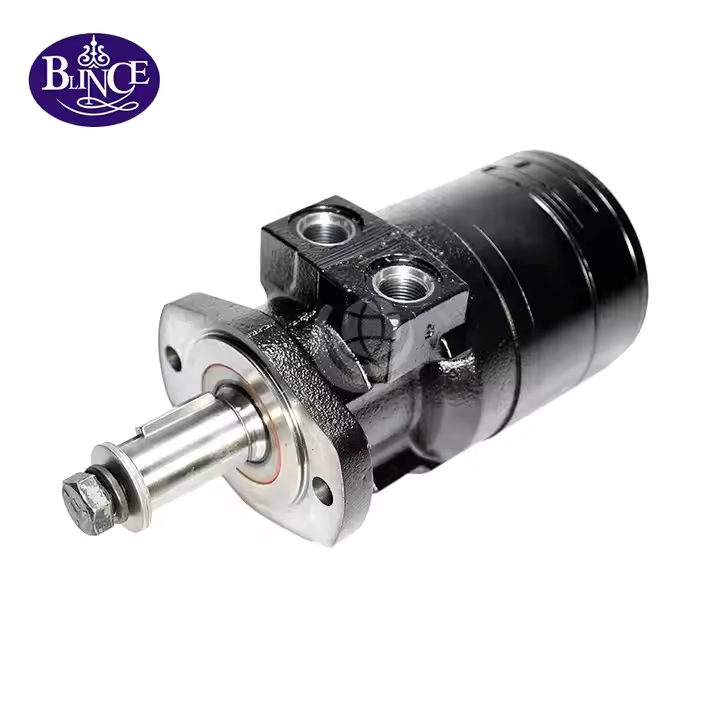
Have you ever wondered how heavy machinery moves or how agricultural equipment operates efficiently? The answer often lies inhydraulic motors. These powerful components convert hydraulic fluid pressure into rotary motion, making them essential for various industries. In this article, we will explore the key uses of hydraulic motors, from construction to agriculture. You’ll learn how they work and why they are critical in heavy-duty applications.
Understanding Hydraulic Motors
What is a Hydraulic Motor?
A hydraulic motor is a mechanical device that converts hydraulic energy into rotary motion. These motors are essential components in systems where power needs to be delivered in a controlled manner. By using hydraulic fluid, hydraulic motors can deliver significant torque even at low speeds. This makes them ideal for various applications, including construction machinery, agricultural equipment, and industrial systems.
Key Components of Hydraulic Motors:
Motor Housing: The outer casing that contains the motor components.
Rotor or Piston: The part that moves due to hydraulic fluid pressure, creating rotary motion.
Seals and Bearings: These help prevent leaks and reduce friction within the motor.
Shaft: The component that connects the motor to the equipment being powered.
Hydraulic motors work by utilizing pressurized hydraulic fluid to drive the motor components, which in turn generates motion. The efficiency of these motors largely depends on the fluid pressure and flow rate, which are closely monitored to maintain optimal performance.
Types of Hydraulic Motors
There are several types of hydraulic motors, each suited to specific needs and applications. Understanding the differences helps in selecting the right motor for a task. Below is an overview of the most commonly used types of hydraulic motors:
1. Orbital Motors
Characteristics: Known for their compact size and efficiency.
Applications: Commonly used in low-speed, high-torque applications like augers and steering systems.
2. Radial Piston Motors
Characteristics: Provide high torque and are more suitable for applications requiring continuous operation.
Applications: Ideal for heavy-duty tasks such as driving industrial machines and conveyors.
3. Axial Piston Motors
Characteristics: Known for delivering high power and high-pressure capacity.
Applications: Frequently used in mobile machinery like excavators and dump trucks.
4. Gear Motors
Characteristics: Simple design, cost-effective, and highly durable.
Applications: Used in applications like oil pumps and small machinery where space is limited.
Motor Type
Torque
Speed
Applications
Orbital Motors
Low to Medium
Low
Steering systems, augers
Radial Piston Motors
High
Medium
Industrial machinery, conveyors
Axial Piston Motors
High
High
Mobile machinery, excavators
Gear Motors
Low to Medium
High
Small machinery, pumps
How Do Hydraulic Motors Work?
Hydraulic motors convert hydraulic energy into mechanical energy using fluid dynamics. The hydraulic fluid, under pressure, flows through the motor, creating force that drives the rotor or piston. As the fluid enters, it pushes against the motor components, causing them to rotate. This rotation is then transferred to the attached machinery.
Key Terms in Hydraulic Motor Operation:
Torque: The rotational force produced by the motor. Higher torque motors are needed for heavy-duty applications like crushers and winches.
Pressure: The force of the fluid inside the motor. Higher pressure leads to higher torque output.
Flow Rate: The speed at which hydraulic fluid moves through the system. This influences the motor’s speed and performance.
In simple terms, hydraulic motors work similarly to a pump, but in reverse. Instead of creating fluid movement, they take the fluid's energy to produce mechanical work. The efficiency of a hydraulic motor depends on maintaining the right balance of pressure and flow rate, as too much of either can cause inefficiencies or mechanical failure.
Common Applications of Hydraulic Motors
Hydraulic Motors in Construction Machinery
Hydraulic motors play a vital role in the operation of heavy-duty construction machinery. These motors are known for their ability to provide high torque at low speeds, making them ideal for equipment that requires substantial power and reliability in demanding environments.
Key Tasks Hydraulic Motors Perform in Construction Machinery:
Excavators: Hydraulic motors are used to drive the boom, arm, and bucket, allowing precise control of heavy lifting and digging tasks.
Loaders: Motors power the wheels and hydraulic arms, providing the force needed for lifting and moving heavy materials.
Cranes: In cranes, hydraulic motors control the rotation and lifting functions, ensuring stability and precision during hoisting operations.
Hydraulic Motors in Agricultural Machinery
In the agricultural sector, hydraulic motors are essential for machinery that performs various tasks, including harvesting, tilling, and irrigation. These motors ensure smooth operation in the harsh conditions often found in farming environments, where reliability and power are crucial.
Benefits of Using Hydraulic Motors in Farming Equipment:
Harvesters: Hydraulic motors drive the cutting mechanisms and conveyors, allowing the machine to harvest crops efficiently without excessive wear on components.
Tillers: Motors are used to rotate the blades, helping in soil preparation and ensuring a consistent depth during tilling.
Irrigation Systems: Hydraulic motors help power pumps and control water flow, ensuring that irrigation systems run effectively across large areas.
Hydraulic Motors in Industrial Systems
Hydraulic motors are indispensable in various industrial applications, where they are used to power conveyor belts, presses, and other machinery that require precise motion control. These motors contribute significantly to overall system efficiency and operational effectiveness.
Contributions of Hydraulic Motors to Industrial Efficiency:
Conveyor Belts: Hydraulic motors power the movement of materials along production lines, allowing for smooth, continuous operation without interruption.
Presses: In presses, hydraulic motors provide the force required to compress materials, ensuring that production processes are carried out with accuracy and consistency.
Material Handling: Hydraulic motors are used to power hoists and lifts, enabling the safe movement of heavy materials in factories and warehouses.
Hydraulic Motors in Marine and Offshore Equipment
In marine and offshore applications, hydraulic motors are crucial for operations like lifting, rotating, and controlling machinery that needs to withstand challenging environmental conditions such as saltwater, high winds, and heavy loads.
Key Marine Applications for Hydraulic Motors:
Winches: Hydraulic motors provide the necessary torque to control cable movement in winches, which are used in fishing boats, oil rigs, and cargo ships.
Marine Cranes: These motors drive the lifting and rotation systems in cranes, allowing for precise load handling and ensuring stability in rough waters.
Offshore Drilling Rigs: Hydraulic motors power equipment that assists in drilling operations, providing essential rotation and lifting actions during the drilling process.
Hydraulic motors ensure that marine operations, especially heavy lifting and drilling, are carried out efficiently and safely, even in harsh offshore environments.
Advantages of Using Hydraulic Motors
High Torque and Low Speed
Hydraulic motors are particularly well-suited for applications requiring high torque at low speeds. This makes them ideal for machinery that needs strong power to move or lift heavy loads while maintaining a slow, controlled speed. For example, large construction equipment like excavators and cranes benefit from this capability, as they often need to lift or carry substantial weight without speeding up the process, ensuring precision in their movements.
Heavy Load Handling: Hydraulic motors provide consistent power even under load, helping equipment manage heavy lifting, digging, or pushing tasks efficiently.
Precise Control: With low-speed, high-torque motors, machinery can operate with fine-tuned accuracy, ensuring that even delicate tasks like assembly or material handling are performed seamlessly.
Compact and Efficient Power
One of the key features of hydraulic motors is their ability to deliver a lot of power in a compact form. This characteristic is particularly beneficial in applications where space is limited, such as in agricultural equipment or smaller machinery.
Space-Saving Design: Hydraulic motors are often chosen for applications where there is limited space for traditional electric motors or other drive systems. Their small size allows them to fit into tighter spaces without sacrificing performance.
Energy Efficiency: Despite their size, hydraulic motors provide a highly efficient power output, maximizing the use of hydraulic fluid to generate force. This makes them an attractive option for systems that need continuous operation while maintaining minimal energy waste.
Durability and Reliability
Hydraulic motors are built to endure harsh environments and handle heavy-duty applications, making them extremely reliable in critical operations. They are particularly useful in sectors where reliability is paramount, such as offshore oil rigs, mining equipment, and construction machinery.
Long Service Life: Designed with robust materials and advanced sealing mechanisms, hydraulic motors are able to perform efficiently over long periods, even in extreme conditions such as dust, moisture, and high-pressure environments.
Critical Applications: Industries like construction, marine, and offshore operations rely heavily on hydraulic motors due to their ability to function effectively without failure, reducing downtime and maintenance costs.
For example, in offshore drilling, hydraulic motors power essential machinery such as winches and cranes, where failure could lead to significant operational losses. Similarly, in construction, the need for reliable, powerful machinery for tasks like lifting heavy materials is critical. Hydraulic motors are designed to handle these intense, continuous demands, providing unmatched durability and efficiency, even in the most demanding industrial sectors.
Choosing the Right Hydraulic Motor
Factors to Consider When Choosing a Hydraulic Motor
Selecting the right hydraulic motor involves considering several factors that influence performance and efficiency. These are essential to ensure the motor operates effectively in your specific application.
Flow Rate: The rate at which hydraulic fluid flows through the motor. This affects the motor’s speed and should be matched to the operational needs of the machinery.
Pressure Rating: Each hydraulic motor has a specific pressure rating that defines the maximum pressure it can withstand. The motor must meet the pressure demands of your system to prevent damage and ensure durability.
Torque Requirements: Torque refers to the rotational force that the motor generates. Depending on the task, the motor needs to provide the appropriate torque to handle heavy lifting or rotational movements.
Common Mistakes to Avoid in Hydraulic Motor Selection
When selecting a hydraulic motor, several common mistakes can impact performance and increase long-term costs. Avoiding these mistakes ensures the motor works efficiently for your specific application.
Choosing the Wrong Size Motor: Picking a motor that’s too large or too small for the application can lead to inefficiency, excessive wear, and unnecessary energy consumption. It’s essential to match the motor size with the operational load and speed requirements.
Not Accounting for Future Maintenance Needs: Failing to consider the future maintenance of a hydraulic motor can result in increased downtime and repair costs. Always ensure that the motor selected is easy to maintain and service over time.
Neglecting System Compatibility: The hydraulic motor should be compatible with other components of the hydraulic system, including hoses, pumps, and valves. A lack of compatibility can result in leaks, inefficiency, or potential damage to the system.
How to Ensure Optimal Performance
Once you have selected the right hydraulic motor, ensuring its optimal performance requires ongoing care and maintenance.
Regular Maintenance: Regular inspections and maintenance are critical to extend the lifespan of a hydraulic motor. This includes checking for signs of wear, cleaning components, and replacing worn parts as needed.
Proper Filtration: Contaminants in hydraulic fluid can damage the motor. A good filtration system helps keep the fluid clean, preventing debris from causing blockages or wear in the motor.
System Monitoring: Monitoring the hydraulic system’s pressure, flow rate, and fluid levels ensures everything is working within optimal parameters. Early detection of issues helps prevent costly repairs and keeps the motor running efficiently.
Conclusion
Hydraulic motors are essential components in machinery that convert hydraulic fluid energy into rotary motion. They are used across various industries, including construction, agriculture, industrial systems, and marine operations. Factors like torque, pressure, and flow rate influence their efficiency and selection. Choosing the right motor ensures optimal performance, and regular maintenance prolongs its lifespan. Blince offers a wide range of hydraulic motors, from orbital to radial piston types, providing reliable and high-performance solutions across industries, backed by strong technical support and system integration expertise.
FAQ
Q: What is a hydraulic motor?
A: A hydraulic motor is a device that converts hydraulic energy into rotary motion, used for high-torque, low-speed applications.
Q: What are the main uses of hydraulic motors?
A: Hydraulic motors are used in construction, agricultural machinery, industrial systems, and marine applications to drive equipment and machinery.
Q: How do hydraulic motors work?
A: Hydraulic motors use pressurized hydraulic fluid to generate rotational motion, converting hydraulic energy into mechanical force.
Q: What factors should I consider when choosing a hydraulic motor?
A: When selecting a hydraulic motor, consider factors like flow rate, pressure rating, and torque requirements based on your machinery's needs.
Q: How can I ensure optimal performance of hydraulic motors?
A: Regular maintenance, proper filtration, and monitoring of the hydraulic system will help ensure the motor performs efficiently and reliably.