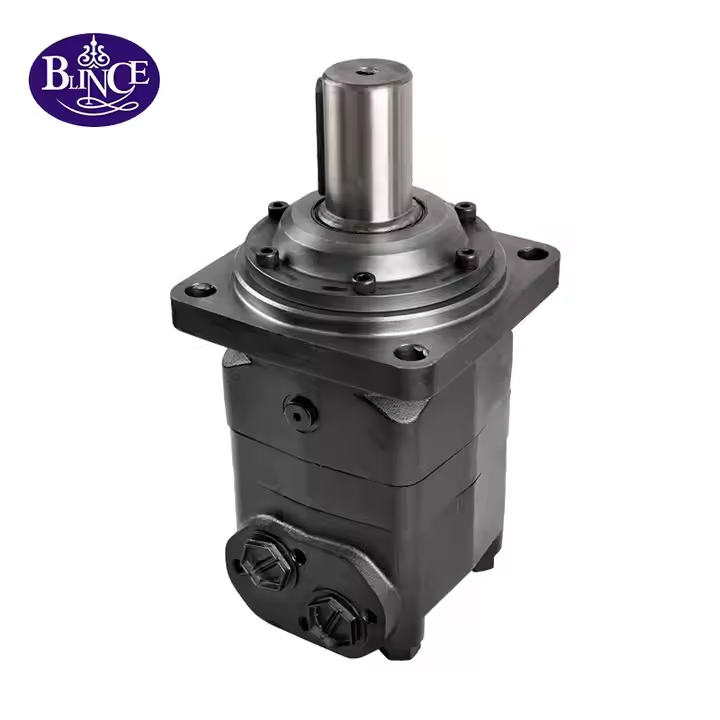
Have you ever wondered how heavy machinery moves so efficiently? The secret lies in hydraulic motors, which convert fluid power into rotary mechanical energy. But choosing the right hydraulic motor isn’t as simple as picking a model off the shelf.
In this article, you will learn the important technical factors to consider when selecting hydraulic motors, from torque to speed, and why proper installation and maintenance are key. By the end, you’ll have a clearer understanding of how to choose and care for these powerful components for your machinery.
What Are Hydraulic Motors and How Do They Work?
What Is a Hydraulic Motor?
A hydraulic motor is a device that converts hydraulic fluid power into rotary motion. This rotary motion is used to drive machines, tools, and equipment in various industrial applications. When pressurized hydraulic oil flows into the motor, it generates rotational force that can power components like wheels, conveyor belts, winches, or even large machines like mixers and excavators.
Unlike a hydraulic cylinder that produces linear motion, a hydraulic motor generates rotational force, which is ideal for systems that require continuous rotation. This makes hydraulic motors indispensable in countless applications, including:
Rotating wheels in vehicles and machinery
Conveyor belts in manufacturing plants
Drums and mixers in construction and agriculture
Attachments and shafts in industrial machines
Drive mechanisms for various automated processes
Hydraulic motors can be categorized into different types based on their design and operational characteristics, such as orbital motors, piston motors, and gear motors. Each type serves specific purposes depending on the torque and speed requirements of the application.
How Hydraulic Motors Work in a Hydraulic System
In a hydraulic system, the flow of pressurized hydraulic oil is controlled to provide the necessary power for machinery. Here is the basic flow path for how a hydraulic motor functions within the system:
Hydraulic pump: The pump generates hydraulic oil flow, which is essential for the entire system's operation.
Valves: These control the direction and pressure of the oil, directing it to the correct areas of the system.
Hydraulic motor: Once the oil enters the motor, it is converted into rotary motion, producing the required torque.
Hoses and fittings: These connect the entire system, ensuring that the oil is transported efficiently.
Component
Role in Hydraulic System
Hydraulic Pump
Creates oil flow and pressurizes the fluid
Valves
Directs oil flow and manages system pressure
Hydraulic Motor
Converts fluid power into rotary mechanical motion
Hoses and Fittings
Connects the system and ensures fluid flow
However, if the hydraulic components are not correctly matched, several problems can arise. Mismatched pumps, valves, or motors can cause inefficiencies such as:
Excessive heat generation, which can damage seals and internal parts.
System leakage, leading to reduced performance and potential damage to other components.
Instability in speed or torque, which affects the operation of the entire machine.
Inefficiency in torque conversion, leading to underperformance.
Why Hydraulic Motor Selection is Critical to System Performance
When selecting a hydraulic motor for your application, the motor's specifications should match the operational needs of the machine. Whether you need high torque for heavy-duty machinery or higher speeds for automated systems, it’s crucial to ensure that each motor’s performance aligns with the system's design.
Factors to consider include:
Torque and speed: Do you need high torque or higher speed? Different motors provide different levels of performance.
Pressure and flow: Is your system designed for high-pressure applications, or does it operate under lower pressure?
Duty cycle: How long will the motor be running continuously, and what are the expected operating hours?
Blince’s hydraulic motors are designed for both low and high-duty applications, ensuring that whether you are operating agricultural machinery, construction equipment, or mobile machinery, you can find a suitable motor that matches your needs.
What Technical Factors Should You Know About Hydraulic Motors?
Hydraulic Motor Torque: Starting, Running, and Load Performance
Torque is the turning force generated by hydraulic motors. It plays a crucial role in starting heavy loads and maintaining motion once the equipment is running. For hydraulic motors, torque determines how well a motor can perform under load, providing the required force to keep systems moving smoothly and efficiently.
There are three key torque concepts that customers should be aware of when selecting a hydraulic motor:
Breakaway Torque: The initial torque required to start the motor and overcome static friction.
Running Torque: The torque the motor produces when running continuously under normal operating conditions.
Starting Torque: The torque needed to start a motor when the load is heavy or the machine is stationary.
The starting torque is especially important for equipment like conveyors, mixer drums, feeding systems, winches, and construction machinery. These machines typically need higher initial torque to get moving, especially under load. If the motor does not provide adequate starting torque, the system may experience delays or failure to start.
Hydraulic Motor Displacement and Speed
Displacement in a hydraulic motor refers to the volume of hydraulic fluid that is required to move the motor shaft one full revolution. This measurement is crucial because it directly affects both the torque and speed of the motor.
Here’s how displacement works in relation to torque and speed:
A larger displacement generally produces higher torque but results in lower speed.
A smaller displacement allows for higher speed but lower torque.
Hydraulic motors are often available in two types of displacement:
Fixed-Displacement Motors: These motors provide a constant amount of torque and speed based on the flow rate.
Variable-Displacement Motors: These allow for adjustments in the displacement, changing the torque and speed based on system needs.
For most applications, displacement needs to be carefully chosen to match the desired performance, and selecting the wrong displacement can lead to suboptimal motor operation. A smaller displacement motor may offer fast speeds but insufficient torque for heavier tasks, while a larger displacement motor may offer high torque but lower speeds.
Pressure and Flow in Hydraulic Motors
Pressure and flow are two critical elements when selecting hydraulic motors. Pressure largely influences torque, while flow mainly affects speed. In hydraulic systems, these factors work together to ensure that motors operate within the correct parameters.
Here are some essential checks when selecting a hydraulic motor:
Rated Pressure: The maximum pressure at which the motor can safely operate.
Peak Pressure: The maximum pressure the motor can handle for short periods without damaging components.
Pump Flow: The volume of hydraulic fluid flowing to the motor, which impacts motor speed.
Return Line Condition: Poor return flow can lead to back pressure and reduced efficiency.
Oil Temperature: Excessive heat can damage seals and reduce motor life.
When pressure and flow are mismatched, a number of issues can arise:
Overheating: Excessive heat from poor system matching can damage seals and internal components.
Weak Output: Insufficient pressure or flow results in lower motor performance.
Low Speed: Inadequate flow limits speed, impacting the overall system operation.
Leakage: Incorrect pressure or flow can cause leaks, leading to oil loss and system inefficiency.
Shortened Service Life: Prolonged exposure to excessive pressure or incorrect flow can reduce the motor’s lifespan.
Performance Factor
Recommended Check
Potential Issues of Mismatch
Rated Pressure
Ensure the motor operates within system limits
Overheating, leakage, reduced lifespan
Pump Flow
Check flow compatibility with motor’s requirements
Weak output, low speed
Return Line Condition
Ensure smooth return flow
Back pressure, inefficient performance
Oil Temperature
Monitor for overheating
Seal damage, reduced efficiency
Hydraulic Motor Efficiency and Heat Control
Motor efficiency is key to ensuring that hydraulic motors convert fluid power into usable mechanical energy. Poor efficiency can result in higher energy loss, excessive heat, and reduced system performance.
Several factors influence hydraulic motor efficiency:
Internal Leakage: As oil leaks internally, less fluid is available to generate power.
Friction: Increased friction reduces the overall efficiency of the motor.
Oil Contamination: Dirt or other contaminants can cause wear and inefficiency.
Pressure Loss: Any loss in pressure between the pump and motor will reduce performance.
Heat is one of the most critical factors when considering motor efficiency. Excessive heat can cause damage to seals, shorten oil life, and compromise motor performance. High temperatures can also lead to system instability, causing the motor to work inefficiently and potentially fail prematurely.
Blince recommends selecting motors based on the real duty cycle and actual working conditions, rather than relying solely on theoretical specifications. By considering the full operating environment, including temperature, pressure, and load requirements, customers can choose the right hydraulic motor that will operate efficiently and last longer.
Efficiency Factor
Impact on Performance
Recommendations
Internal Leakage
Reduces usable fluid, lowers motor performance
Select motors with minimal leakage
Friction
Wastes energy, increases wear
Choose efficient motors with low friction
Oil Contamination
Causes wear and lowers motor efficiency
Use clean hydraulic oil and filters
Pressure Loss
Reduces performance and torque
Ensure pressure is maintained throughout
What Types of Hydraulic Motors Should You Understand?
Orbital Hydraulic Motors
Orbital hydraulic motors are specifically designed for low-speed, high-torque applications. These motors are ideal for systems that require consistent power output without the need for high rotational speed. Orbital motors are often chosen for their compact size, stable rotation, and ability to provide substantial torque even at low speeds.
Common applications for orbital hydraulic motors include:
Agricultural machinery: Providing the power needed to drive systems like plows, harvesters, and irrigation pumps.
Industrial equipment: Used in manufacturing processes where stable, reliable power is crucial.
Conveyors: Helping move materials at consistent speeds with minimal fluctuations.
Material handling: Ensuring safe and efficient movement of goods in warehouses and distribution centers.
Mobile hydraulic systems: Powering various mobile equipment such as excavators, cranes, and trucks.
Blince offers several orbital motor options that cater to a variety of operational needs, such as OMM, OMH, OMH 400, BMV, BMER, and OMER series hydraulic motors. These motors are designed for smooth operation in agricultural and industrial machinery, where low-speed, high-torque performance is needed.
Radial Piston Hydraulic Motors
Radial piston hydraulic motors are engineered for heavy-duty applications, where higher torque is required under demanding conditions. These motors are particularly known for their high torque, low speed, and stable performance. The design of radial piston motors allows them to handle intense workloads and provide consistent power delivery, making them ideal for challenging environments.
Applications include:
Construction machinery: Powering equipment like bulldozers, backhoes, and road rollers.
Marine-related equipment: Used in marine winches and dredging systems, where high power at low speed is essential.
Industrial machinery: Ideal for applications requiring substantial torque and durability, such as presses and mills.
Heavy-duty drive systems: Powering large-scale industrial machinery that operates under continuous load.
Blince’s LD Series radial piston hydraulic motors are specifically designed for high-torque, low-speed work, making them ideal for industries where equipment operates under heavy loads or extreme conditions.
Axial Piston and Gear Hydraulic Motors
Axial piston hydraulic motors are designed for higher-pressure and higher-performance systems. These motors are commonly used in situations that demand high-speed rotation and significant torque. They are well-suited for applications where variable speed and high-pressure capabilities are needed, offering a versatile solution for industrial and mobile systems.
In contrast, gear hydraulic motors are often selected for simpler, general-purpose applications. These motors are favored for their durability and straightforward design, providing stable performance in a wide range of hydraulic systems that do not require the high complexity of piston motors.
Comparison:
Axial piston motors are ideal for demanding pressure and performance needs, making them the preferred choice for industrial systems that require consistent and efficient power delivery.
Gear motors are more practical and suitable for general-purpose hydraulic systems, offering ease of installation and reliable operation in less demanding applications.
Blince provides both axial piston and gear motors, giving customers the flexibility to select the best option based on their specific application needs. Whether you require the high-performance capabilities of axial piston motors or the simplicity and reliability of gear motors, Blince’s motor selection covers both.
Motor Type
Best For
Key Benefit
Axial Piston Motors
High-pressure, high-performance systems
High torque and efficiency
Gear Motors
General-purpose hydraulic systems
Simple design, easy installation
Travel and Slewing Hydraulic Motors
Travel motors and slewing motors are specialized for movement and drive functions in machines that require rotational power or positioning.
Travel motors are used to move machines or equipment across a surface. These motors are vital in vehicles like excavators, cranes, or other tracked equipment, ensuring reliable movement across construction sites or industrial environments.
Slewing motors are used for controlled rotation and positioning, typically found in systems where precise, stable rotation is necessary. These motors are crucial in applications where equipment must rotate a specific amount or maintain a fixed position, such as in cranes or rotating platforms.
How Should You Choose, Install, and Maintain Hydraulic Motors?
How to Choose the Right Hydraulic Motors for Your Application
When selecting a hydraulic motor, it's crucial to focus on the working conditions rather than just the product name or size. Different systems require different performance characteristics, so the right motor must match the operational needs of the machinery.
Consider these key questions during selection:
What torque is required? Understand how much force the motor needs to exert to start and move the load.
What speed is needed? Determine the required rotational speed to match your system's demands.
What is the system pressure? Ensure the motor can withstand the pressure levels of your system without causing damage.
What pump flow is available? Check the hydraulic pump's flow rate, which impacts the motor’s efficiency.
Does the motor need one-way or reversible rotation? Some systems require the motor to rotate in only one direction, while others need reversible motion.
These factors will guide you toward the correct motor type, whether it’s for mobile machinery, construction equipment, or industrial systems.
Selection Factor
Key Considerations
Why It Matters
Torque
Required force to move the load
Determines whether the motor can handle the load at start-up and during operation
Speed
Operational rotational speed
Affects system performance and efficiency
System Pressure
Maximum pressure the motor can handle
Ensures the motor can operate safely under the system’s pressure levels
Pump Flow
Available flow rate from the hydraulic pump
Impacts the motor's ability to perform at the desired speed and torque
Rotation Direction
One-way or reversible rotation
Some systems require only one-way rotation, while others may need reversible capability
Installation Checks Before Using Hydraulic Motors
Even the best-selected hydraulic motor can fail prematurely if it’s not installed correctly. Proper installation is key to ensuring the motor operates efficiently and reliably.
Here are the critical installation checks to perform:
Rotation Direction: Ensure the motor rotates in the correct direction, especially for systems requiring precise motion.
Shaft Alignment: Proper shaft alignment ensures that the motor is properly coupled with the system, avoiding unnecessary stress or misalignment.
Coupling Condition: Check the condition of the motor coupling to ensure it is free from wear or damage that could affect performance.
Flange Fit: Verify that the motor flange fits securely, preventing leaks or instability during operation.
Port Connection: Confirm that the ports are connected correctly to ensure efficient fluid flow into and out of the motor.
Hose Flexibility: Use flexible hoses that can absorb vibrations without stressing the motor's components.
Pipe Cleanliness: Clean pipes and fittings ensure that no debris or contaminants enter the motor and cause internal damage.
Drain Line Arrangement: Proper drainage prevents fluid buildup, reducing pressure spikes and motor failure.
Tank Capacity and Oil Cooling: Ensure the hydraulic oil reservoir has enough capacity for adequate cooling and that the oil temperature remains within safe operating limits.
Using flexible fittings can help reduce stress on the motor’s inlet and outlet ports, preventing leaks and extending the life of the motor.
Before ordering a Blince hydraulic motor, be sure to confirm the installation details to avoid mismatches that could cause performance issues or premature failure.
Maintenance Tips for Longer Hydraulic Motor Life
Proper maintenance is essential to keeping your hydraulic motor running smoothly and extending its service life. The key to motor longevity is maintaining the cleanliness of the oil, protecting seals, and ensuring the system runs within the right temperature range.
Here’s a checklist to keep your hydraulic motor in top condition:
Keep Hydraulic Oil Clean: Contaminated oil is a major cause of motor damage. Use proper filtration to keep the oil free from dirt and debris.
Change Filters Regularly: Clean filters ensure that no contaminants enter the motor and reduce internal wear.
Check Oil Level: An appropriate oil level ensures smooth operation and prevents the motor from running dry or overheating.
Inspect Seals for Leakage: Damaged seals allow oil to leak, reducing pressure and efficiency. Check seals frequently and replace them as needed.
Watch for Abnormal Noise: Unusual sounds can indicate internal damage or misalignment. Immediate attention is required to avoid further damage.
Monitor Vibration: Excessive vibration can signal misalignment, unbalanced parts, or inadequate lubrication.
Control Oil Temperature: Ensure the system is not overheating by monitoring the oil temperature. High temperatures can break down seals and damage components.
Clean Dust Around the Shaft Seal Area: Dirt and debris can damage the shaft seals and lead to motor failure over time.
Contaminated or inadequate oil is one of the biggest threats to hydraulic motor health. Regular oil changes and system checks will ensure your motor performs optimally over time.
Conclusion
Hydraulic motors are essential components that convert hydraulic energy into rotary mechanical power. They are widely used in applications requiring stable, high-torque performance, such as conveyors and agricultural machinery. Selecting the right motor involves understanding factors like torque, speed, displacement, and pressure. Installation and maintenance are also crucial for long-term motor efficiency. Blince offers a wide range of hydraulic motors, including orbital, radial piston, and axial piston types, ensuring suitability for various industrial and mobile machinery applications. The company's solutions provide reliable performance and technical support, making them a trusted choice for hydraulic needs.
FAQ
Q: What are hydraulic motors used for?
A: Hydraulic motors are used in machinery requiring rotary motion, such as conveyors, winches, and construction equipment.
Q: How do hydraulic motors work?
A: Hydraulic motors convert pressurized hydraulic fluid into rotary motion, powering equipment like conveyors and mixers.
Q: What factors should be considered when choosing a hydraulic motor?
A: Consider torque, speed, pressure, and the system's required flow rate to select the right hydraulic motor for your application.
Q: Why is maintenance important for hydraulic motors?
A: Regular maintenance, including oil cleanliness and seal inspections, helps prevent wear and extends the motor’s lifespan.
Q: What types of hydraulic motors does Blince offer?
A: Blince provides various hydraulic motors, including orbital, radial piston, and axial piston types, tailored for different industrial needs.