Hydraulic pumps are the heart of mobile and industrial machinery. They convert mechanical energy into hydraulic energy and power everything from excavators and cranes to agricultural tractors and injection‑molding machines. When properly installed and maintained, pumps deliver reliable service for years, protecting your investment and reducing total cost of ownership. However, misalignment, contamination or neglected maintenance can shorten pump life and drive up operating costs. This guide explains how to install hydraulic pumps correctly, outlines routine maintenance and troubleshooting techniques, and shows how proactive lifecycle management saves money.
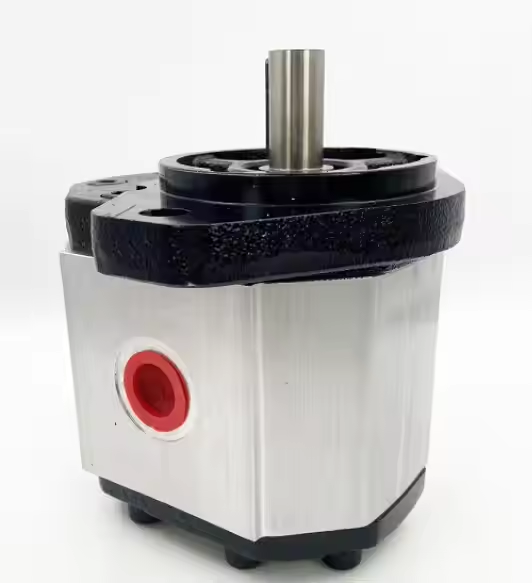
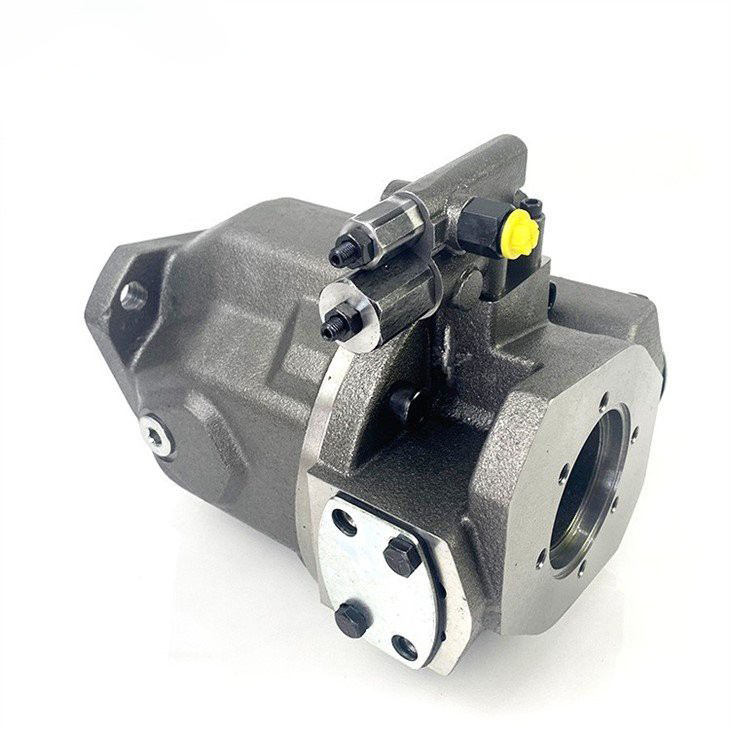
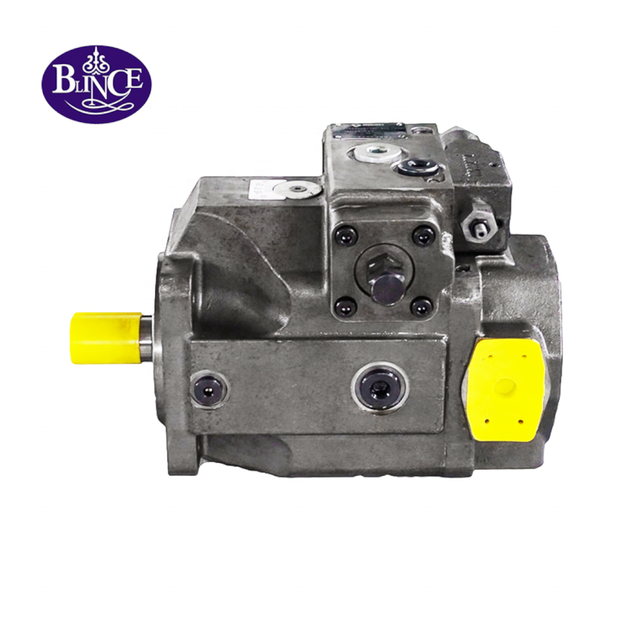
Definition: A hydraulic pump is a mechanical device that converts mechanical power into hydraulic energy and can be gear, piston or vane‑type. Gear pumps are simple and durable, suitable for low‑to‑medium pressure systems. Piston pumps handle higher pressures and offer variable displacement for precision control.Vane pumps run quietly with smooth flow, making them ideal for moderate pressure applications such as plastic injection molding and automotive systems.
Why Proper Installation Matters
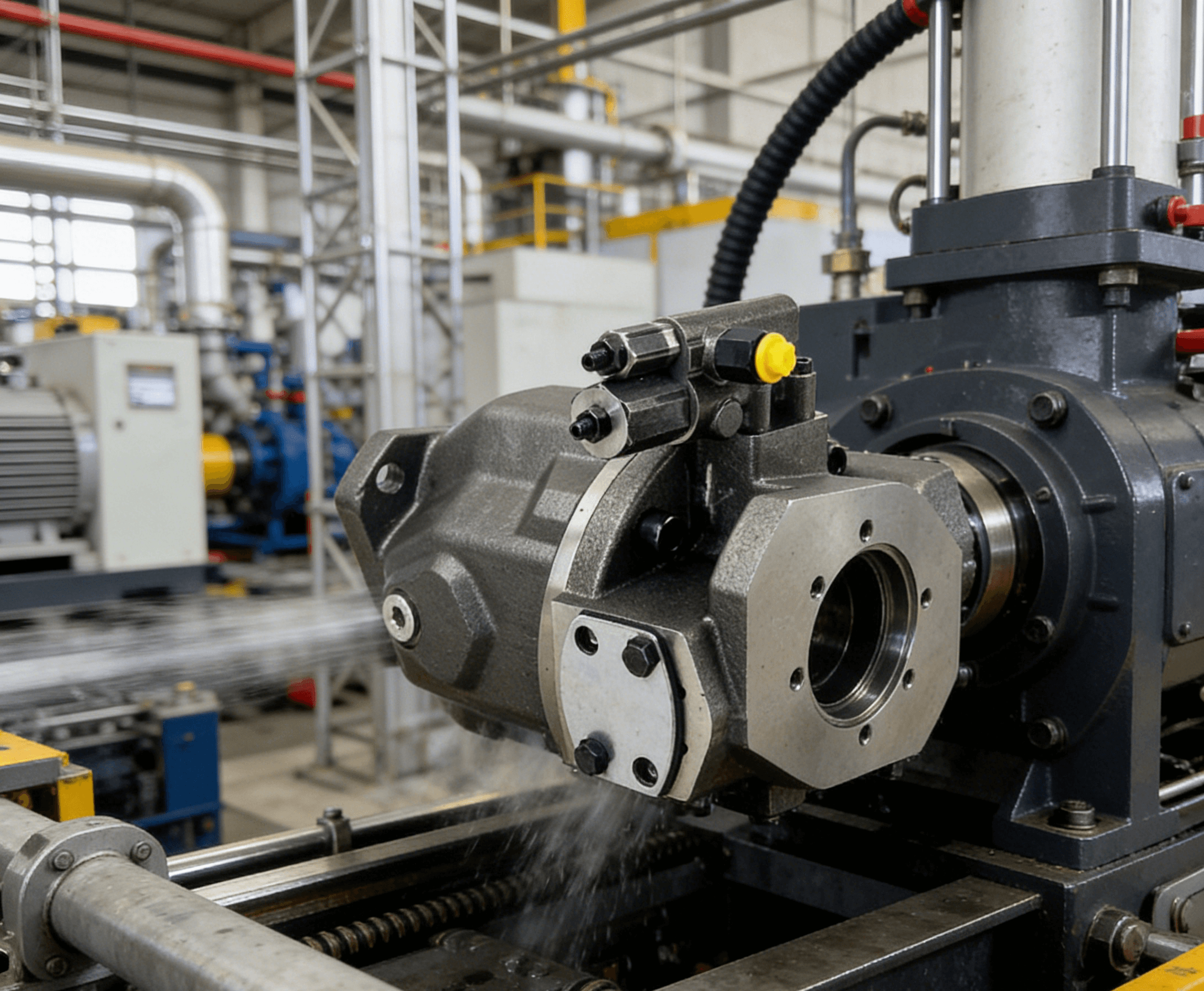
Proper installation safeguards your equipment. When hydraulic pumps are aligned correctly and mounted in clean, dry environments, they operate smoothly and last longer. Misalignment or contamination accelerates wear and can cause leaks, cavitation or catastrophic failure. Aligning the pump with the prime mover (typically an hydraulic motor or engine) reduces vibration and shaft stress. Clean installation environments prevent dust and moisture from entering the system. Thorough testing at start‑up ensures that pressure and flow settings meet specification.
Key point: Investing time in proper installation reduces unplanned downtime and protects warranty coverage. Even minor misalignment can cause expensive repairs, while a clean workspace prevents contaminants from damaging seals and bearings.
Installation Best Practices
Here is a checklist of best practices to follow during hydraulic pump installation. Each item is based on proven methods from industry guides.
Ensure the pump and motor shafts are precisely aligned. Even a small angular or parallel misalignment increases wear. Use laser alignment tools or dial indicators for accuracy.
Environment
Install the pump in a clean, dry location. Dust, moisture or extreme temperatures can accelerate corrosion and contaminate hydraulic fluid.
Initial testing
After installation, perform a full system test. Verify flow and pressure at operating speed to confirm that the pump meets system requirements. Record baseline data for future comparisons.
Mounting hardware
Use the correct bolts and torque specifications. Over‑tightening can distort the housing; under‑tightening may lead to vibration.
Fluid quality & filling
Fill the pump with clean, compatible hydraulic fluid. Check hydraulic pump manufacturer recommendations for viscosity and filtration.
Following this checklist reduces the risk of premature failure and ensures your pump operates at its designed efficiency from day one.
Maintenance Strategies for Long Life
Regular maintenance prolongs pump life and minimizes unexpected downtime. A study of industrial pumps shows that routine lubrication, cleaning and inspections can dramatically reduce wear. The following practices are essential:
Lubrication & cleaning: Keep moving parts lubricated and clean. Replacing hydraulic fluid at recommended intervals (for example, every 1 000 operating hours) removes contaminants that cause wear. Always use the correct fluid grade and filter replacements.
Regular inspection: Inspect the pump and system for leaks, unusual noises or vibrations. Early detection of cavitation, overheating or seal failure allows corrective action before severe damage occurs. Document inspection findings for trend analysis.
Troubleshooting common problems: Address cavitation (air bubbles in the fluid), overheating and pressure spikes promptly. Cavitation often results from clogged filters or low fluid levels; overheating may indicate misalignment or excessive load. Keep spares such as seals, bearings and gaskets on hand to minimize downtime when repairs are needed.
Predictive maintenance: Consider adopting condition monitoring sensors that track pressure, temperature and vibration in real time. Smart hydraulic systems use these data to predict failures and schedule maintenance proactively, reducing downtime and extending service life.
Lifecycle Cost Management
Proper installation and maintenance not only extend pump life but also save money over the equipment’s lifetime. Life cycle cost analysis considers purchase price, energy consumption, maintenance and downtime. For example, a pump rated for 3 000 psi may cost more upfront than a 1 500 psi model, but it can handle higher pressures without frequent replacement. Similarly, investing in a more efficient pump can reduce energy costs through higher mechanical and volumetric efficiency. When evaluating lifecycle cost:
Estimate total cost of ownership: Add up acquisition, installation, expected maintenance, energy consumption and potential downtime costs. Cheaper pumps may have higher maintenance costs over time.
Plan for upgrades: Technology evolves rapidly. Variable‑displacement and hybrid pumps offer better energy efficiency and can lower operating costs in the long run. Plan periodic upgrades to take advantage of new innovations.
Manage spare parts: Maintain an inventory of essential spare parts to reduce downtime during repairs.
Selecting the appropriate pump type for your system ensures efficient operation and reduces maintenance. As noted earlier, gear pumps are simple and cost‑effective, delivering constant flow in low‑to‑medium pressure systems; they're ideal for agricultural machinery, construction equipment and other applications where durability and affordability are priorities. Piston pumpsoffer variable displacement and can generate very high pressures, making them suitable for heavy machinery, industrial presses and aerospace systems. Vane pumps run quietly and provide smooth flow with moderate pressure; they’re often used in automotive systems and injection molding machines. Understanding these differences allows you to match pump characteristics to your operational pressure, flow and noise requirements, avoiding overspecification or inadequate performance.
Tip: In your content, link each pump type to the corresponding product page on your website so that readers can explore specifications and request a quote.
Quality Assurance & On‑Site Audits
Verifying supplier quality systems ensures that purchased pumps meet performance and reliability expectations. During on‑site audits, ask suppliers to demonstrate their quality management processes, such as Statistical Process Control (SPC), traceability of materials and calibration of measurement equipment. Request documentation of inspection procedures and test results. Observe the cleanliness of assembly areas and storage practices. A high‑quality supplier will transparently share these details and invite customers to review their calibration certificates and test logs. When evaluating potential partners, prioritize those who invest in metrology equipment and maintain robust process controls.
Case Study: Proactive Maintenance Reduces Downtime
A manufacturer of garbage trucks and injection‑molding machines switched to a proactive maintenance program for its hydraulic pumps. By aligning pumps precisely during installation and scheduling oil changes every 1 000 hours of operation, the company reduced unplanned pump failures by 30%. Regular inspections caught early signs of cavitation and overheating, allowing technicians to replace filters and adjust flow rates before damage occurred. The manufacturer also kept critical spares on hand and replaced pumps based on life cycle cost analysis rather than waiting for failure. As a result, overall operating costs decreased and machine uptime improved. The same principles apply whether you operate excavators, forestry equipment or tunnel‑boring machines: proper installation and proactive maintenance pay dividends.
Conclusion
Installing and maintaining hydraulic pumps correctly is one of the most cost‑effective investments you can make in your equipment. Aligning and mounting pumps with care, conducting thorough start‑up tests and keeping the work environment clean set the stage for reliable operation. Regular maintenance—lubrication, inspection and proactive troubleshooting—extends service life and prevents costly breakdowns. Considering lifecycle costs and choosing the right pump type ensure you get the best performance for your application. Finally, partnering with quality‑focused suppliers and adopting predictive maintenance technologies positions your business for success in 2026 and beyond. Use the guidelines in this article to develop a comprehensive installation and maintenance plan and to select pumps that deliver dependable power while minimizing long‑term costs.