Hydraulic multi-directional control valves – often called multi-way valves or directional control valves – are the unsung heroes inside agricultural machines, construction equipment, sanitation trucks, and other mobile machinery. They allow operators to control multiple hydraulic functions (cylinders, motors, etc.) from a single compact valve assembly by redirecting oil flow to different actuators as needed. This article explores some little-known facts and key insights about these valves, covering how they work, design variations (like monoblock vs. sectional valves), spool design considerations, relief valve adjustments, and tips for selecting the right valve. We’ll also highlight applications in industries from Latin American farms to Central Asian construction sites, and end with an FAQ to answer common questions.
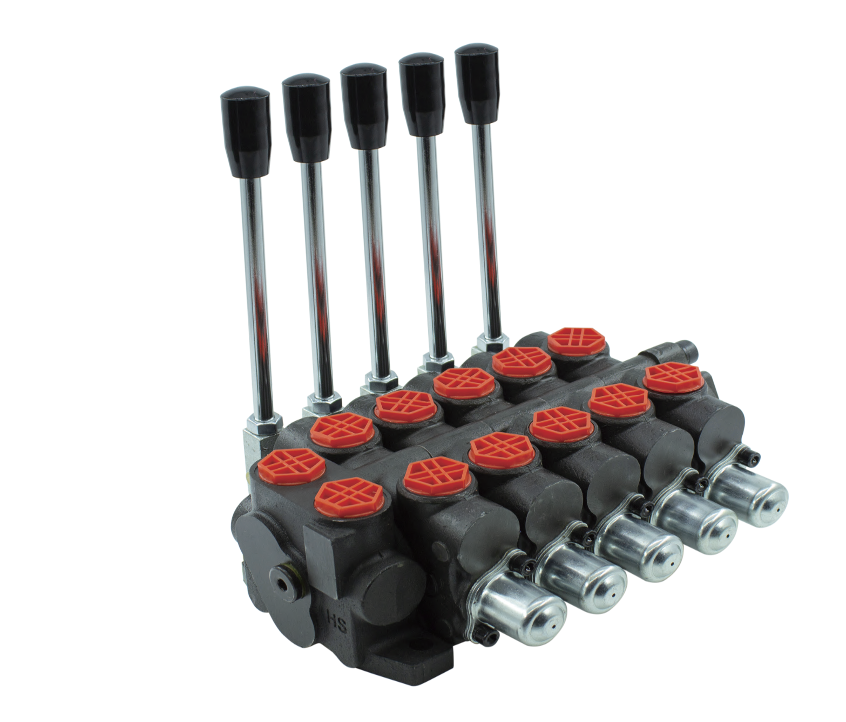
Understanding Hydraulic Multi-Way Directional Control Valves
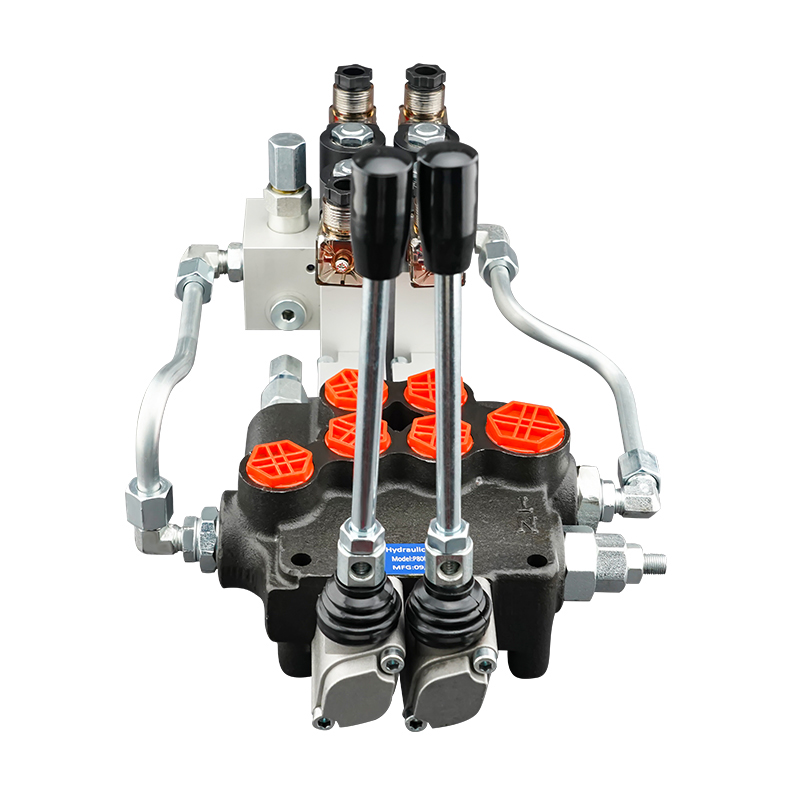
A hydraulic multi-way valve (also known as a hydraulic directional control valve, distribution valve, or manifold valve) is a device that regulates the direction, flow rate, and pressure of hydraulic fluid to control actuator operations. In essence, it is a combination of two or more spool-type valves integrated into one unit, enabling one valve assembly to control multiple actuators (for example, the boom, bucket, and outriggers of an excavator) simultaneously or in sequence. By shifting each spool, the operator can route high-pressure oil to a desired cylinder or motor, causing it to extend, retract, or move.
Key features of modern multi-way valves include a compact block design, minimal internal leakage, and finely machined spools that meter flow accurately. Many multi-way valves also feature an integrated main relief valve in the inlet section as a safety measure – if pressure exceeds a set design limit, the relief valve opens to bypass fluid, preventing dangerous overloads. In practice, this means that when a machine’s hydraulic pressure spikes (for instance, if an implement hits an obstacle), the valve can relieve excess pressure to protect the system’s pumps, hoses, and cylinders from damage.
Multiple “ways” (ports) are present in these valves. A common configuration is a “4-way, 3-position” spool valve, meaning four ports – typically Pressure (P), Tank (T), and two Work ports (A and B) for a double-acting cylinder – and three spool positions (forward, neutral, reverse) that direct flow in different ways. Center position (neutral) designs vary: an open-center valve allows pump flow to pass through to tank at low pressure when neutral (suitable for systems with fixed displacement pumps), whereas a closed-center valve blocks flow in neutral, maintaining pressure (used with variable or load-sensing pumps). Selecting the proper center type is crucial for matching the valve to the hydraulic system architecture.
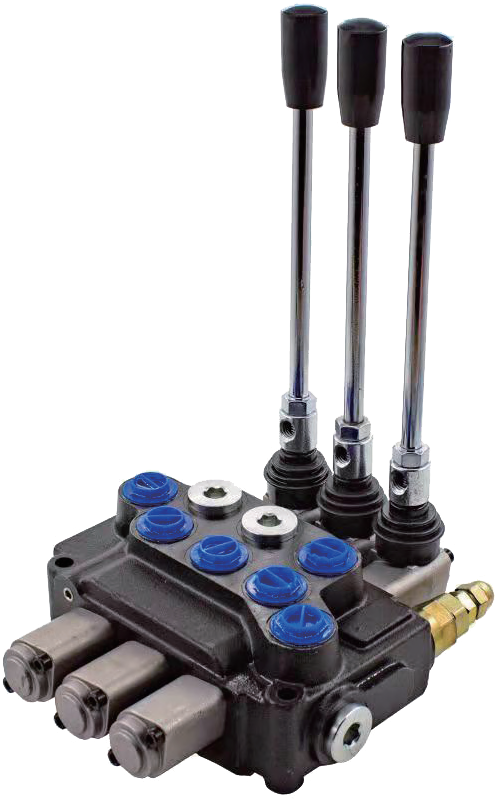
How Multi-Way Valves Work: Inside the Valve Block
Hydraulic multi-way valves employ clever internal mechanisms to manage flow to multiple functions. When none of the spools are actuated (all in neutral), the inlet section usually routes the pump’s flow directly back to tank or into a bypass channel. Many multi-way assemblies incorporate a three-way pressure-compensated bypass valve in the inlet: when all spools are in neutral, this bypass is open, allowing fluid to circulate with only a small pressure drop. This prevents the pump from building high pressure unnecessarily, saving energy and reducing heat. As soon as an operator moves a spool to actuate a function, the valve’s internal logic shifts – the bypass flow is partially or fully closed, and hydraulic oil is diverted into the selected work port. The flow automatically adjusts to the needs of the load: for example, if you activate one section, the valve supplies the required flow to that cylinder while other sections remain in standby.
Modern multi-way valves often use load-sensing and flow-sharing techniques. In load-sensing systems, a small feedback passage sends pressure from the most heavily loaded actuator back to a compensator in the valve (or pump), ensuring that just enough flow and pressure are provided to move the load. The built-in compensator (one type is a three-way compensator valve) maintains a constant pressure drop across the active spool, so that each function receives the flow it needs regardless of variations in load. This is why an excavator can smoothly lift a heavy bucket and curl the arm at the same time – the multi-way valve meters the flow to both functions proportionally. When multiple spools are operated simultaneously, a well-designed valve prevents one function from “robbing” flow from another, ensuring coordinated motion.
Spool design plays a critical role in these operations. Each spool is a precision-ground rod with specific notches and grooves. As the spool moves within the valve body, these grooves align with port channels to open or close flow paths. The shape of the spool lands and notches affects how fluid flow ramps up or slows down. In fact, spool cuts are engineered to meter flow, controlling actuator speed in addition to simply on/off direction control. This means a multi-way valve can feather a cylinder movement slowly or let it move quickly at full flow depending on how far the operator moves the lever. Designing these spools is complex – small changes in geometry can impact how smoothly a plow blade lifts or how steadily a crane’s boom swings. This aspect of valve spool design is often a “secret sauce” among manufacturers, optimized to give machinery precise and safe control.
Most multi-directional control valves also include additional built-in valves for functionality and protection. Common internal components include:
Check valves (one-way valves) at each section to prevent backflow, so that a loaded cylinder can’t force oil backwards through the spool.
Secondary relief valves or port reliefs on sections, to protect individual actuator circuits from overload (for example, preventing a hydraulic motor from seeing excessive pressure if it’s suddenly stopped).
Anti-cavitation valves, which allow flow from tank to an actuator if negative pressure occurs (useful if a heavy loader bucket tries to drop faster than the pump can fill the cylinder).
Damping orifice/valves, small restrictions that smooth out pressure spikes and oscillations in the pilot or main flow lines, improving stability.
Pressure reducing valves for pilot controls, in models that use a lower pressure pilot oil to actuate the main spools (common in large electro-hydraulic directional valves).
These integrated features make the multi-way valve a self-contained control center for the machine’s hydraulics. By packaging multiple spools and auxiliary valves together, designers achieve a more compact and efficient system with fewer external hoses and connections. The result is lower pressure loss (shorter flow paths and gentle bends inside the valve), fast response, and improved reliability. Indeed, multi-way valves are known for their compact structure and low pressure drop, while still offering long service life
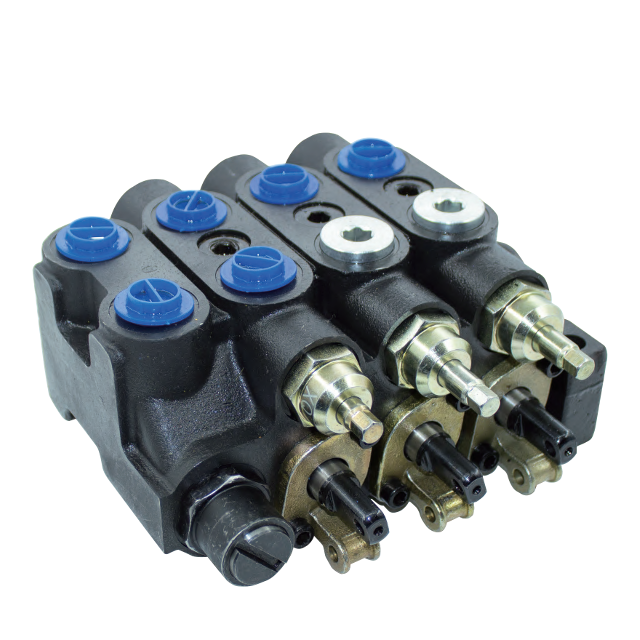
Monoblock vs. Sectional Valves: Two Design Approaches
When choosing a hydraulic directional control valve, one major consideration is whether to use a monoblock valve or a sectional (modular) valve. Both types perform the same basic function – controlling multiple hydraulic circuits – but their construction differs:
Monoblock valves have a single-piece body (a solid casting or block of metal) that contains multiple spool sections machined into it. All spools are housed in this one block, hence the name monoblock. Monoblocks are typically compact and cost-effective for a given number of sections. They often come with a fixed number of spools (commonly 1 to 7 spools in one block) and usually include a common inlet and outlet gallery, with a main relief valve on the inlet. Monoblock designs are prized for their small volume and high efficiency, with minimal leak points since there are no joints between sections. They are frequently used in equipment where the required number of functions is known and limited – for example, a front-end loader may use a 2-spool or 3-spool monoblock valve to control the lift and tilt cylinders. Monoblocks support various control methods (manual lever, pneumatic, electro-hydraulic solenoid, etc.) in one unit.
Sectional valves (also called stackable or modular valves) are built from multiple separate sections bolted together, typically between a dedicated inlet section and an outlet (end) section. Each section contains one spool and its associated valve circuitry, and sections can be added or removed to configure the exact number of functions needed. For instance, to control four actuators, you would assemble an inlet section + 4 spool sections + an outlet section. Sectional valves offer tremendous flexibility – manufacturers often provide many options for each slice, including different spool designs (for various flow rates or center types) and auxiliary valves on the work ports (like anti-shock or load-hold checks). This modular design means that features like load-sensing compensation or flow sharing can be built into each section, which may not be available in simpler monoblocks. Sectional valves are commonly used for larger and more complex machinery, where future expansion or customization is important. If a machine needs another function later, an additional section can be inserted into the valve stack (within design limits) rather than replacing the entire valve.
In summary, monoblock valves tend to be simpler, with a fixed configuration, well-suited for standard applications with a known set of functions. Sectional valves cater to more complex requirements, allowing bespoke assemblies. Both designs can handle high pressures and flows, although sectional valves are often chosen for heavy-duty systems where each section might handle a high flow for a specific function. For example, the SD series directional control valves are a popular line of heavy-duty valves that come in sectional configurations – models like SD5, SD11, and SD14 can be assembled with multiple slices and are widely used in cranes, excavators, and complex sanitation machinery. These sectional valves feature a modular build that lets engineers mix and match sections (with different spool types and pressure settings) to suit equipment like a multi-crane truck or a garbage compactor. Monoblock equivalents also exist for certain series (in fact, some SD series valves are monoblock), but generally the sectional design shines in large hydraulic systems.
It’s worth noting that both monoblock and sectional valves can achieve similar performance levels. They often incorporate the same internal technologies (spools, relief valves, etc.). In fact, many smaller tractors and machines in Latin America use monoblock directional control valves due to their simplicity, while larger machines or custom-engineered vehicles may opt for sectional valves for the added flexibility. The choice often comes down to the specific application requirements and cost considerations.
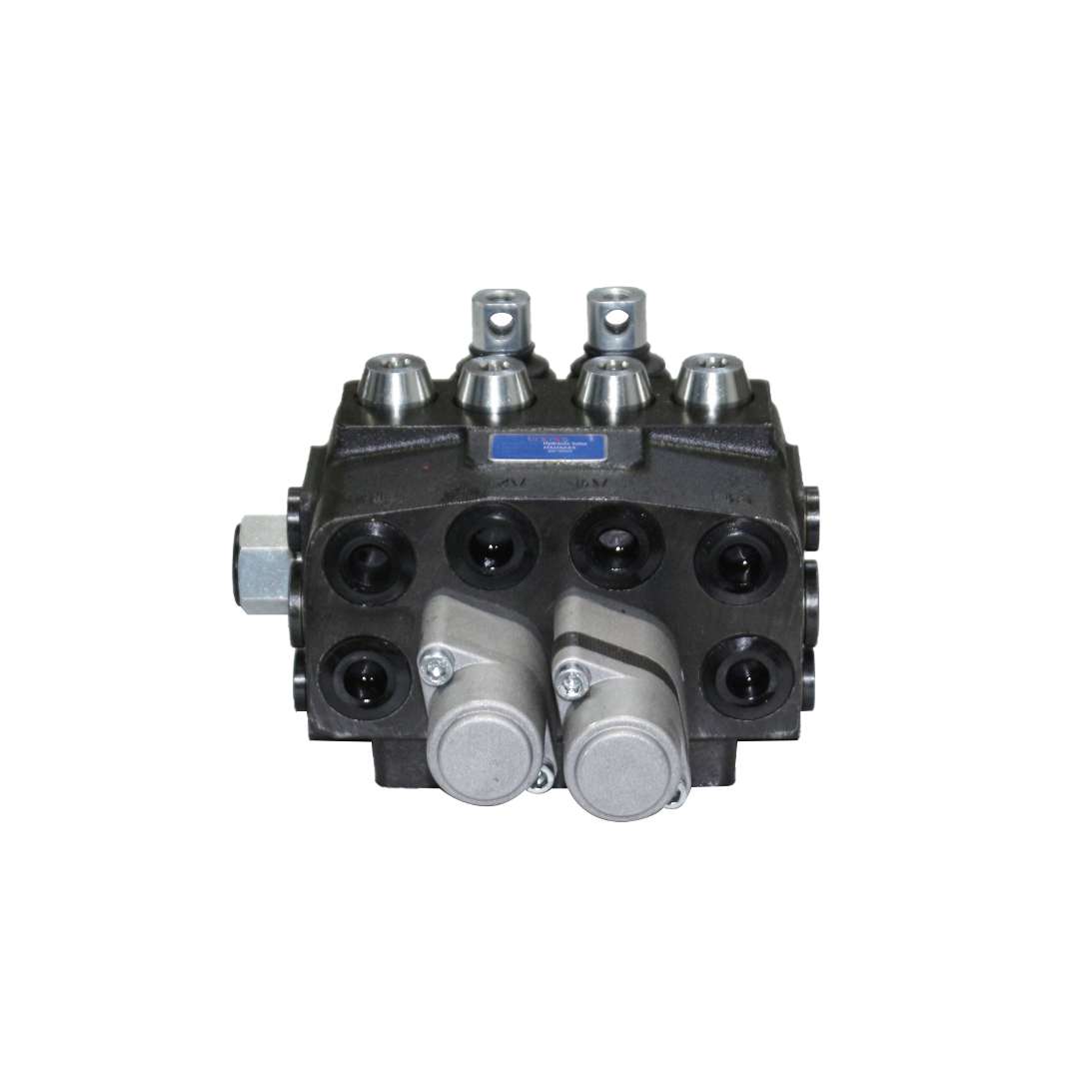
Valve Performance and Relief Valve Adjustment
Because multi-way valves directly influence a machine’s performance, proper adjustment and maintenance are key. One critical setting is the main relief valve pressure. This valve (usually located in the inlet section of the valve bank) should be adjusted to the equipment manufacturer’s specified pressure – typically slightly above the normal working pressure required by the machine’s functions. Setting it too low can starve the actuators of force; setting it too high risks safety and potential damage. Relief valve adjustment is often done during the initial setup of a machine or when replacing a valve: a technician will use a pressure gauge on the hydraulic system, then turn the relief valve screw (or knob) until the desired pressure is achieved (for example, 180 bar for a tractor’s implement circuit). If a machine exhibits symptoms like unstable pressure or frequent stalling under load, it could indicate the relief valve spring has weakened or the setting has drifted – in such cases, recalibrating the relief pressure or replacing the spring may be necessary. Regularly verifying the relief pressure is a good practice, especially on older valves, to ensure the system remains protected and operates at peak efficiency.
Another aspect of performance is spool synchronization and leakage. High-quality directional valves are lapped and finished to very tight tolerances, meaning each spool sits in its bore with minimal clearance. This prevents internal leaks (which can cause actuators to drift or lose force) and ensures predictable control. If a valve spool sticks or drags, it’s often due to contamination or wear. Fine metal particles or dirt in the oil can scratch spool surfaces or clog small orifices. That’s why maintaining clean hydraulic fluid with proper filtration is vital – dirty oil is a main cause of multi-way valve wear and malfunction. Users should replace hydraulic filters on schedule and use the correct hydraulic oil grade for the climate (e.g. a suitable low-temperature oil for the cold winters of Central Asia’s highlands, so the valve doesn’t stick in freezing conditions).
Valve spool design also affects how a machine behaves when transitioning between movements. For instance, spools with float center (often used in tractor valves for the hitch or loader) allow a cylinder to freely float (connect both work ports to tank) in the center position – useful for implements to follow ground contour. Others might use a regenerative spool for faster extension of a loader arm by routing return oil to the rod side. These design choices can be considered “advanced insights” that manufacturers incorporate to optimize performance for specific tasks. As an engineer or procurement manager, being aware of these options means you can pick a valve tailored to your needs – for example, selecting a tandem-center spool for a log splitter (so the cylinder automatically stops and holds in neutral) versus an open-center spool for a continuous-flow wood chipper circuit.
To sum up, a well-chosen and well-tuned multi-way valve will offer smooth and efficient control. Key performance tips include ensuring the relief pressure is correctly set (and periodically checked), keeping the oil clean to avoid spool wear, and choosing the right spool types and internal options (like load-sensing compensators or auxiliary valves) to match the machine’s operational requirements. This will yield longer valve life and safer operation, whether the machine is a combine harvester in Brazil or a snowplow truck in Kazakhstan.
Industry Applications and Use Cases
Hydraulic multi-way directional valves are found in virtually every piece of mobile hydraulic machinery. In emerging industrial regions like Latin America and Central Asia, these components are crucial for modernizing agricultural and construction equipment. Below are some key application areas and examples:
Agricultural Machinery: Farm equipment relies heavily on multi-way valves to operate implements. Tractors use monoblock or sectional directional valves to control attachments such as front loaders, seeders, and sprayers. Harvesters and combines use multi-way valves to manage headers, unloading augers, and steering cylinders. In Latin America’s farming sector, common valve setups include 2-way or 3-way monoblocks on tractors (for lifting and tilting implements) and more complex sectional valves on larger combines or self-propelled sprayers, ensuring each function (boom fold, spray pump, steering) has a dedicated control. Agricultural machines like balers, planters, and sugarcane harvesters all employ these valves for reliable, simultaneous control of multiple actuators.
Construction Equipment: Virtually all construction and earthmoving machines use multi-directional control valves. Excavators have large sectional valve banks to control the boom, arm, bucket, swing motor, and track drives – often featuring load-sensing to allow smooth multi-function operation. Loaders (skid-steer, wheel loaders) use valves to lift and curl buckets, and to drive attachments. Cranes and telehandlers incorporate multi-way valves (sometimes the SD series or similar sectional valves) to control each telescoping section, winch, and outrigger independently. For example, an all-terrain crane might have a half-dozen or more sections in its main valve bank. In Central Asian construction projects, machinery like motor graders, dump trucks, and drilling rigs also depend on these valves for directing hydraulic power to where it’s needed. The harsh conditions – from desert dust to mountain cold – demand robust valves with good sealing and material quality.
Municipal and Sanitation Vehicles: Hydraulic control valves are the muscle behind city service trucks and sanitation equipment. Garbage trucks (waste compactors) use multi-way valves to control the compactor plate, bin lift arms, and tailgate locks. Street sweepers employ them to raise/lower brushes, control vacuum hoses, and tilt debris hoppers. In fact, certain heavy-duty sectional valves (e.g. SD25 series) are specifically used on garbage compactors, drain cleaning trucks, and large municipal vehicles. These valves can handle high flow rates (to quickly sweep wide streets or compress garbage) and high pressure for lifting heavy bins. In regions like Eastern Europe and Central Asia, winter snow removal equipment (snow plows, salt spreaders) also use multi-way valves to angle plow blades, adjust spreader rates, and lift snow gates – often with electric joystick controls in the cab for convenience. The versatility of multi-way valves makes them ideal for such mobile machinery, where multiple hydraulic actions must be coordinated reliably in all weather conditions.
Industrial and Mobile Machinery: Beyond the above, multi-way valves appear in mining and drilling equipment, forestry machines (like log loaders and processors), material handling equipment (forklifts, container handlers), and even in specialized sectors like energy and offshore (where, for example, an oil rig might use large manifold valves to control hydraulic tongs or winches). In all these cases, whether the valve is part of a giant mining truck or a small skid-steer, the core principles remain – the valve routes pressurized oil to execute tasks efficiently. Their ability to improve work efficiency by allowing one pump to power many actions is a major reason they are so widely adopted.
No matter the industry, a common thread is that well-designed multi-way directional valves can save energy and labor, as noted in hydraulic engineering circles. By centralizing control of multiple operations in one unit, they reduce the need for multiple pumps or complicated plumbing, thereby simplifying maintenance and operation. This is especially valuable in developing industrial markets where reliability and ease of maintenance are paramount.
Selecting the Right Valve for Your Equipment
Choosing the optimal hydraulic directional control valve for a machine involves balancing several factors. Below are some key considerations for selecting a multi-way valve suited to your needs:
Flow and Pressure Capacity: Ensure the valve’s specifications meet or exceed your system’s requirements. The rated flow (L/min or GPM) of the valve should handle the maximum pump output without causing excessive pressure drop. Likewise, the rated pressure (e.g., 250 bar, 315 bar) must match or surpass your system’s relief setting. Always select a valve with a comfortable safety margin – running too close to the limits can cause overheating or premature wear.
Number of Sections / Circuits: Count the hydraulic functions you need to control. For a relatively simple application (e.g., a backhoe attachment with two cylinders), a small monoblock valve with 2 spools might suffice. If you have many actuators (like a fire truck with multiple outriggers, ladder sections, and a water turret), a sectional valve bank that can be expanded to 6, 8, or more sections is more appropriate. Plan for any future needs – for instance, if you might add a new attachment later, choose a valve that can accommodate an extra section or has a power beyond port to feed another valve downstream.
Monoblock vs Sectional Design: Decide which construction suits your equipment. Monoblock valves are compact, often cheaper, and simpler to install – great for standardized machinery or tight spaces. Sectional valves offer more flexibility and are easier to service section by section. In heavy equipment or custom vehicles, sectional designs (like the SD series sectional control valves) are popular for their modularity and ability to integrate features like load-sensing. Consider the trade-offs: monoblocks have fewer leak points (no assembly seams) and can be very robust, while sectional valves can be reconfigured or repaired one slice at a time.
Control Method & Interface: Think about how the operator will control the valve. Options include manual lever control, often used in agricultural tractors; electro-hydraulic control (solenoid valves) for remote operation or automation; cable or pneumatic controls for flexible mounting; or even proportional electronic control for fine modulation. For example, a truck-mounted crane in Kazakhstan might use an electro-hydraulic sectional valve so the operator can control it via joystick from a safe distance. Ensure the valve you select supports the control type you need (many valves can be fitted with different control kits – from simple lever arms to electric solenoids).
Auxiliary Functions & Valve Options: Identify any special requirements. Do you need a detent position (so a spool stays actuated hands-free)? Must the valve provide a float function on one of the spools for a loader bucket? Is load-sensing a requirement for your system’s efficiency? Also consider port accessories: for instance, if your actuator is heavy and can create pressure spikes, choose a valve that offers shock relief valves on those ports. If the application involves overrunning loads (like a winch or crane boom that could drop faster than the pump can retract it), ensure anti-cavitation valves or brake valves are included. These options improve safety and performance but must be specified when ordering the valve.
Environmental and Regional Factors: In Russian-speaking Central Asia, winter temperatures can be extremely low – valves need good cold start characteristics and often heaters or special low-temp seals. In tropical or dusty environments, protective covers for spool handles, corrosion-resistant coatings, and easy serviceability (to clear out contamination) are valuable. If sourcing valves in Latin America, check for availability of spare parts and local service for the brands you consider. Sometimes opting for a widely used model (even if from an international brand like Walvoil, Parker, or a reputable Chinese manufacturer) can ensure you get support in your region.
By carefully evaluating these factors, you can choose a multi-way valve that fits your machine’s hydraulic system like a glove. For instance, if you’re outfitting a snow removal truck in Central Asia, you might select a sectional valve with 3 sections (one for the plow lift, one for angling the blade, one for a salt spreader motor), rated for high pressure with an integrated load-sensing feature for fuel efficiency, and with electric solenoid controls so the driver can operate everything from the warm cab. On the other hand, a small sugarcane farm in Latin America repairing a tractor might opt for a simple monoblock valve replacement – a robust, manually operated 2-spool valve with built-in relief, which can be bolted on and connected with minimal fuss.
Finally, always ensure that the relief valve is correctly set after installation (following manufacturer guidelines or machine specs) and that all fittings are tight with no leaks. A well-chosen valve, installed and adjusted properly, will provide years of service – keeping your agricultural or industrial operations running smoothly with minimal downtime.
Conclusion
Hydraulic multi-directional control valves may not be flashy components, but they are absolutely pivotal in industrial and mobile equipment. By understanding their internal workings, design types, and selection criteria, engineers and procurement managers can make informed decisions to improve machine performance and reliability. Whether it’s a monoblock valve on a farm tractor in Argentina or a sophisticated sectional valve assembly on a mining truck in Kazakhstan, the right valve will ensure precise flow control for agricultural and construction machinery, optimized power usage, and safe operation of multiple functions.
In the context of Belt and Road regions like Latin America and Central Asia, access to high-quality hydraulic components is growing. Local manufacturers and international suppliers (such as Blince Hydraulic in China) are ready to provide customized solutions – from standard SD series directional valves to tailor-made valve banks for specialized equipment. If you’re looking to upgrade your machinery’s hydraulic system or need guidance on sourcing the ideal multi-way valve, don’t hesitate to reach out for expert assistance. With the right hydraulic directional control valve, your equipment will achieve new levels of efficiency and productivity.
(For further clarity, below we address some frequently asked questions about hydraulic valves in various applications.)
FAQ
Q: What hydraulic valves are commonly used in farming machinery in Latin America?
A: Farming machinery in Latin America typically uses rugged spool-type hydraulic valves (directional control valves) to handle implements and attachments. Commonly, monoblock valves with 2 or 3 sections are found on tractors – for example, controlling a front loader’s lift and tilt cylinders or a three-point hitch. These monoblock hydraulic directional control valves are favored because they are compact, easy to maintain, and cost-effective for equipment like tractors, planters, and modest harvesters. Larger agricultural machines (such as combine harvesters or self-propelled sprayers) may use sectional control valves with more sections, because they often have multiple hydraulic functions (steering, header control, unloading auger, boom folding, etc.) that need independent control. In all cases, the valves include an integrated relief valve for safety, and are designed to withstand harsh field conditions (heat, dust, vibration). Many tractors in Latin America also have valves with a float function on one spool (to let implements follow the ground contour). Overall, the focus is on reliability – brands or models that have proven themselves (and where spare parts are available) are commonly chosen by farms and equipment fleets.
Q: How do I choose a multi-way valve for snow removal equipment in Central Asia?
A: Selecting a multi-way valve for snow removal or winter service equipment in Central Asia requires considering the climate, machine functions, and durability. First, determine the number of hydraulic functions on your snow removal equipment. For example, a typical snowplow truck might need to control the plow blade lift, blade angle (left/right), a salt spreader motor, and perhaps a dump bed or snow blower. This could be 2–4 sections. A sectional valve is often ideal here, as it allows multiple sections and even future expansion. Ensure the valve’s flow capacity can handle the hydraulic pump’s output (snow clearance equipment often has high flow pumps to act quickly) and that the pressure rating (e.g. 250 bar or more) covers the demands of pushing heavy snow. Look for a valve with electro-hydraulic control (solenoid-operated) if you want the operator to actuate it via dashboard switches or a joystick – this keeps the operator inside the warm cab. Given Central Asia’s freezing winter temperatures, the valve should have good cold-weather performance: check for materials and seals rated for low temperatures (viton or special low-temp nitrile seals) and consider a built-in heating element or oil bypass warm-up circuit if available. It’s also wise to choose a valve with weather protection – for instance, coil connectors with IP67 rating, and maybe a protective cover over manual levers (if manually controlled) to keep snow and ice off. In terms of specific series, heavy-duty SD series directional valves or similar are suitable, as they are used in snow plows and municipal trucks in cold regions and have the necessary robustness. Don’t forget to set the relief valve appropriately (to protect the hydraulic system when the plow hits an obstruction) and use the recommended hydraulic oil for cold climates (often a multi-grade or synthetic oil). By taking into account environment, capacity, and control needs, you’ll select a valve that ensures your snow removal equipment operates reliably even in harsh Central Asian winters.
Q: Are SD series directional control valves suitable for sanitation vehicles?
A: Yes, SD series directional control valves (a range of heavy-duty monoblock and sectional valves) are indeed suitable for sanitation vehicles – in fact, they are widely used in that field. Sanitation vehicles like garbage trucks, street sweepers, vacuum trucks, and dump trucks often require robust valves that can handle high pressure and multiple functions, and the SD series was designed with these demanding applications in mind. For example, the SD sectional valves (such as SD5, SD11, SD14 models) feature a modular build and high-pressure tolerance, making them capable of controlling complex hydraulic circuits on a garbage compactor or a road sweeper. These valves support multiple sections, so a single valve assembly can manage the various movements of a sanitation truck: lifting and tipping bins, operating a compactor plate, controlling broom height and rotation on a sweeper, etc. They also often include options for auxiliary port relief valves and anti-cavitation valves, which are important for protecting cylinders and motors in sanitation equipment that might see shock loads (for instance, when a garbage truck’s compactor plate meets a stubborn object, or a sewer cleaning truck suddenly stops water flow). Real-world usage confirms their suitability – for instance, the SD25 series sectional valve is used on garbage compactors and large agricultural and sanitation machines. In short, the SD series valves have the durability, flow capacity, and configuration flexibility that sanitation service vehicles demand. When specifying one for a sanitation truck, you would choose the number of sections needed (each for a different function on the vehicle) and configure any needed extras (like electrical controls for in-cab operation, or hydraulic remote control for some truck-mounted systems). With proper setup, an SD series directional valve will perform reliably on sanitation vehicles that operate daily in tough conditions, providing smooth control of all hydraulic functions.


