Whether it is an urban redevelopment project in Los Angeles, a massive highway expansion across California, or a mining operation along the West Coast, excavators are the most iconic "steel beasts" on the scene. From digging foundations to handling heavy debris and dredging rivers, these machines perform tasks far beyond human strength.
The secret behind this raw power is a sophisticated hydraulic system. In this guide, we will explore the internal mechanics of an excavator and how its hydraulic components act as the lifeblood of the machine.
I. The Anatomy of an Excavator: Four Systems Working in Harmony
Modern excavators consist of four primary systems that work together to execute digging, lifting, swinging, and traveling:
Power System: Usually a diesel engine that provides the initial mechanical energy. It doesn't move the arm directly; instead, it drives the hydraulic pumps.
Work Attachment: Comprised of the boom, arm, and bucket. These are moved by hydraulic cylinders to perform the actual work.
Travel & Swing System: The travel system uses tracks driven by motors to move the machine, while the swing system allows the upper structure to rotate 360°.
Hydraulic System: The "central nervous system." It receives power from the engine and uses pressurized fluid to control every movement with precision.
II. The Hydraulic System: The "Heart and Muscle"
Hydraulic transmission is preferred in heavy machinery because of its incredible force multiplication and smooth control. A complete system consists of five key parts:
1. Power Component: The Hydraulic Pump
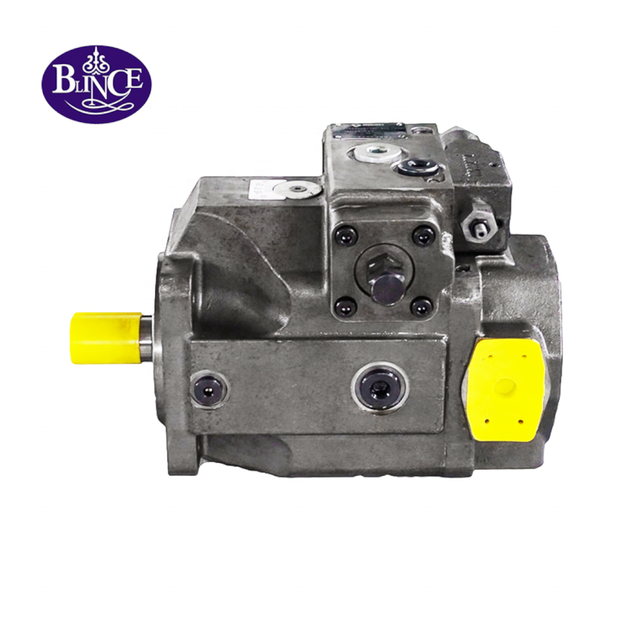
Driven by the engine, the hydraulicpump converts mechanical energy into hydraulic pressure. Modern excavators typically use axial piston pumps for their high efficiency and adjustable displacement.
2. Executive Components: Cylinders and Motors
These components convert hydraulic pressure back into mechanical force.
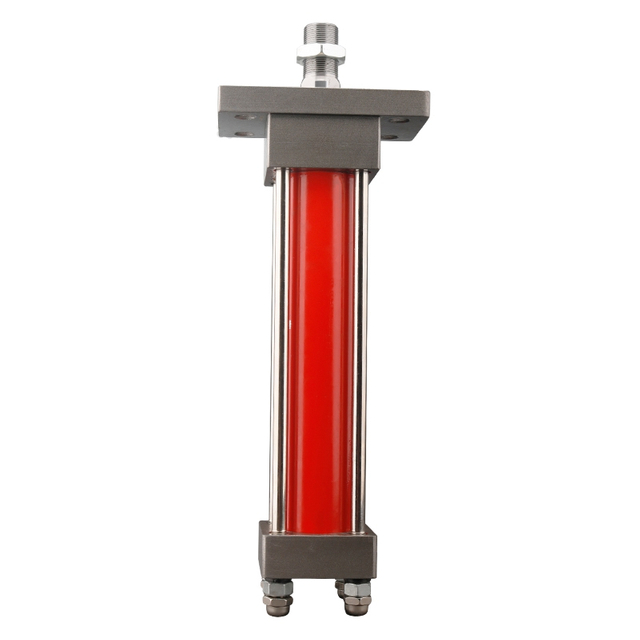
Hydraulic Cylinders: Responsible for linear movement (boom, arm, and bucket).
Hydraulic Motors: Responsible for rotary movement. While the main travel is handled by heavy-duty drives, many auxiliary functions and smaller units rely on a high-performance hydraulic motor to ensure consistent torque. For compact attachments, a specialized orbital hydraulic motor is often the preferred choice due to its high power density.
3. Control Components: Valves
The "brain" of the system. Control valves direct the flow, pressure, and direction of the hydraulic oil to ensure the operator's commands are executed accurately.
4. Auxiliary Components & Medium
This includes the oil tank, filters, coolers, and the Hydraulic Oil itself. The oil must be kept clean and cool to prevent "system fatigue," especially in the heat of a California summer.
III. How Hydraulic Energy Moves the Machine
The process follows a precise cycle:
Suction: The engine spins the pump, drawing low-pressure oil from the tank.
Pressurization: The pump pushes the oil out at high pressure.
Control: The operator moves a joystick, signaling the control valve to open a specific path.
Execution: High-pressure oil enters a cylinder or a travel hydraulic motor, forcing it to move the tracks or the digging arm.
Return: The "spent" low-pressure oil returns to the tank through a cooler and filter.
IV. Real-World Excavator Movements
Boom & Bucket: Driven by cylinders for powerful digging forces.
Upper Body Rotation: This is achieved by a swing hydraulic motor which rotates the cabin and arm relative to the undercarriage.
Tracking/Travel: Hydraulic energy is sent to the final drives to move the tracks forward, backward, or in a turn.
V. Modern Upgrades: Efficiency and Intelligence
Technological shifts in California's construction industry are driving excavators to be more eco-friendly and precise:
Load-Sensing Systems: Automatically adjusting flow based on the task to save fuel.
Electro-Hydraulic Control: Replacing manual linkages with electronic signals for smoother operation.
Hybrid Hydraulics: Using energy recovery systems to reduce emissions.
VI. Frequently Asked Questions (FAQ)
Q: What is the main difference between a hydraulic pump and a motor? A: They are essentially inverses. A pump converts mechanical power into fluid pressure, whereas a hydraulic motor takes that pressurized fluid and converts it back into rotary mechanical power.
Q: Why does my excavator feel slow or weak? A: This is often due to pressure loss. It could be a worn pump, a clogged filter, or internal leakage within a high-pressure axial piston motor. Regular maintenance in sandy or dusty environments like Southern California is critical.
Q: How do I extend the life of my hydraulic system? A: Keep the oil clean! Contamination is the #1 killer of hydraulic components. Change filters regularly and ensure your cooling system is functioning to prevent oil thinning.
Conclusion
The hydraulic system is the soul of the excavator, turning invisible pressure into the massive force required to build our cities. From the skyscrapers of Downtown LA to infrastructure repairs in San Francisco, these systems are at work every day.
If you are managing a fleet in the world and need reliable components or technical support for your hydraulic motor needs, choosing professional-grade parts is the best way to ensure your project stays on schedule and under budget.