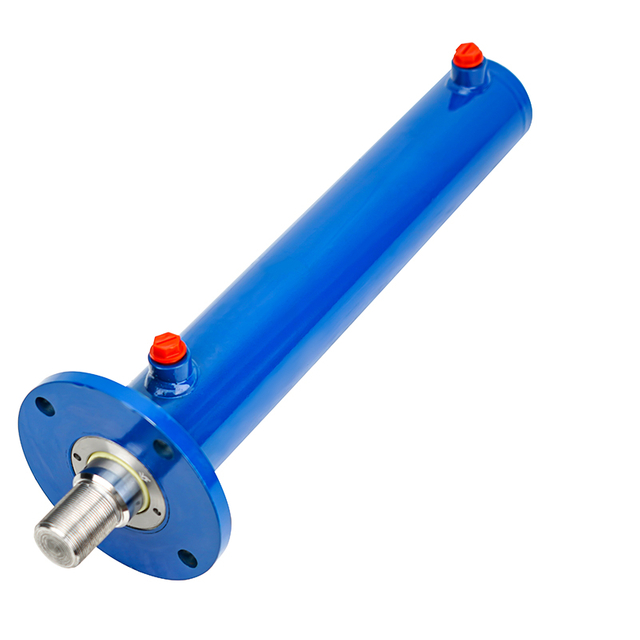
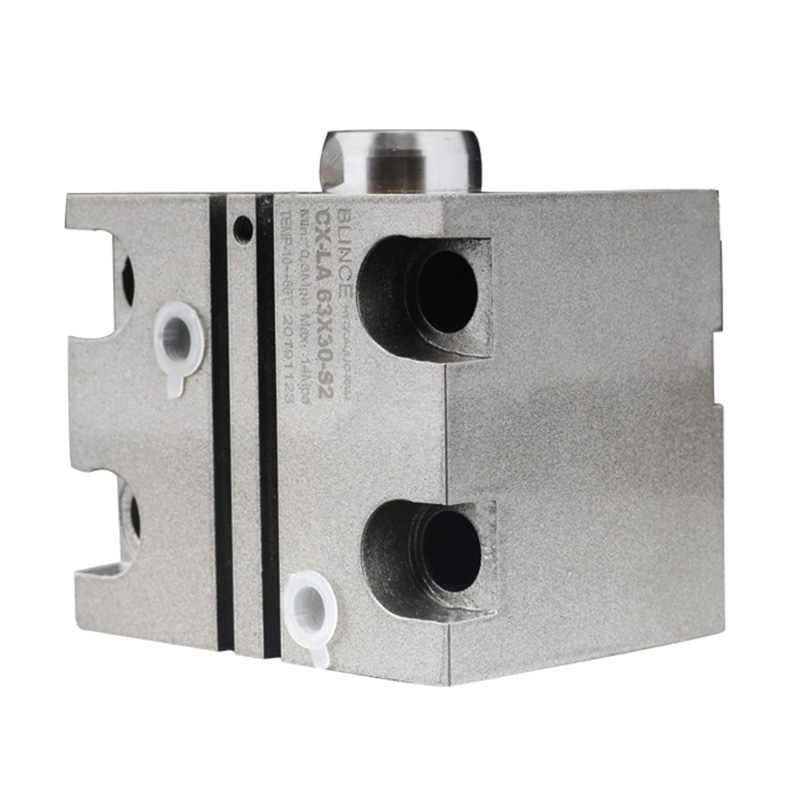
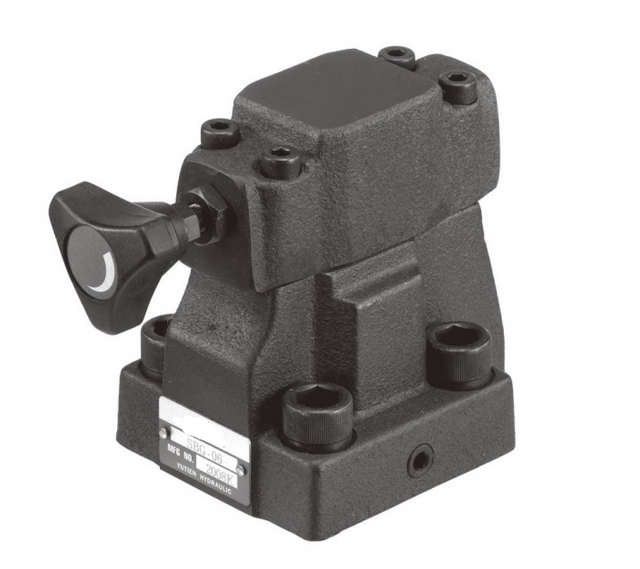
Hydraulic Cylinder Coatings are vital for durability and performance. But which coating offers the best protection? Choosing the right coating can be confusing. Hydraulic cylinder coatings protect rods from wear, corrosion, and heat. Common materials include chrome, nickel, and ceramic. In this post, you’ll learn the key differences between these coatings. We’ll compare their benefits, drawbacks, and ideal applications.
Table of Contents
Toggle
Hydraulic Cylinder Coatings: Chrome vs. Nickel vs. Ceramic
Hydraulic cylinder coatings play an important role in protecting piston rods from wear, corrosion, and surface damage. The right coating can improve seal performance, extend service life, reduce maintenance requirements, and help hydraulic equipment operate reliably in demanding environments. However, different coating materials offer different levels of protection, and no single solution is ideal for every application.
Chrome plating is widely used for its hardness and wear resistance, while nickel coatings are valued for corrosion protection and uniform coverage. Ceramic-based coatings offer excellent wear and heat resistance when the material and application process are properly selected.
This guide compares chrome, nickel, and ceramic coatings for hydraulic cylinders, explains their advantages and limitations, and provides practical guidance for selecting and maintaining the right coating for your operating conditions.
Why Are Hydraulic Cylinder Coatings Important?
Hydraulic cylinders operate under repeated motion, pressure, and contact with seals and external contaminants. Without suitable surface protection, piston rods can develop scratches, corrosion, and wear that compromise sealing performance and equipment reliability.
Hydraulic cylinder coatings help address these challenges in several ways.
Wear resistance: Protects piston rods from abrasion caused by dust, dirt, sand, and repeated sliding contact.
Corrosion protection: Helps prevent rust and surface deterioration caused by moisture, saltwater, and chemicals.
Surface finish: Provides a controlled surface texture that supports proper seal contact and reduces friction-related wear.
Service life: Delays surface degradation and may reduce the frequency of repairs or rod replacement.
Maintenance costs: Helps minimize unplanned downtime when the coating is correctly matched to the application.
For applications requiring improved rod wear protection, explore our wear-resistant hydraulic cylinder rod and review its specifications for your operating conditions.
Coating selection should consider more than material hardness. Surface roughness, coating thickness, adhesion, porosity, impact loading, and compatibility with hydraulic seals all influence long-term performance.
1. Hard Chrome Plating for Hydraulic Cylinder Rods
Hard chrome plating is a widely established surface treatment for hydraulic cylinder piston rods. The process uses electroplating to deposit a chromium layer onto a prepared metal substrate. After plating, the surface is often ground and polished to achieve the dimensional accuracy and finish required for reliable seal performance.
Key Properties of Chrome Coatings
Hard chrome is known for its high hardness and resistance to sliding wear. It can help protect piston rods from scratches and abrasion while providing a smooth working surface.
Its actual performance depends on plating conditions, coating thickness, surface preparation, and finishing quality. Hardness values should therefore be evaluated using the relevant test method and the supplier's technical specifications rather than treated as universal values.
Advantages of Hard Chrome Plating
High wear resistance: Suitable for many hydraulic systems exposed to repeated sliding contact and moderate abrasive wear.
Good surface finish: Properly finished chrome surfaces can support consistent seal contact and reduce friction-related wear.
Established manufacturing processes: Hard chrome plating is widely used in conventional hydraulic cylinder production and repair.
Practical cost profile: It can be an economical option where its wear and corrosion performance meet the application requirements.
Repairability: Damaged rods may be recoverable through stripping, substrate inspection, replating, and finishing, depending on the extent of the damage.
Limitations of Chrome Coatings
Hard chrome plating has limitations that should be considered before selection.
First, the coating can develop microcracks, and severe impact, bending, or substrate damage may compromise its integrity. Corrosion can occur when the coating contains defects or when the operating environment exceeds its protective capabilities.
Second, conventional hard chrome plating processes using hexavalent chromium raise significant environmental and occupational health concerns. Applicable regulations, process controls, and alternative coating technologies should be considered when selecting a supplier.
Finally, repair requires appropriate equipment and process control. Replating alone may not be sufficient if the rod substrate is deeply pitted, bent, or dimensionally damaged.
Typical Applications
Hard chrome plating is commonly used in hydraulic cylinders for:
Construction machinery, including excavators and loaders
Agricultural equipment and mobile hydraulics
Industrial presses and manufacturing machinery
Material handling equipment and forklifts
General-purpose hydraulic systems operating in dusty or abrasive environments
For these applications, the coating should be specified together with the required surface finish, dimensional tolerances, and seal compatibility.
2. Nickel Coatings for Hydraulic Cylinders
Nickel coatings provide an alternative when corrosion resistance and coating uniformity are important. They can be applied through electrolytic plating or electroless nickel deposition, with the appropriate process depending on the component geometry and performance requirements.
Electroless nickel is deposited through a chemical reduction process rather than an external electric current. This method can provide more uniform thickness across complex geometries, although the final result depends on part design, bath conditions, and process control.
Key Properties of Nickel Coatings
Nickel coatings can offer good corrosion resistance, moderate wear resistance, and a relatively uniform protective layer. Certain electroless nickel formulations also provide good hardness and wear performance, particularly after suitable heat treatment.
However, nickel is not a single, uniform coating category. Electrolytic nickel and electroless nickel have different characteristics, and the performance of electroless nickel can vary significantly with its phosphorus content, heat treatment, thickness, and application method.
For hydraulic cylinder rods, the selected nickel coating must also provide a suitable surface finish and adequate resistance to repeated sliding contact.
Advantages of Nickel Coatings
Corrosion protection: Appropriate nickel-based systems can perform well in humid, marine, and chemically exposed environments.
Uniform coverage: Electroless nickel can be advantageous for complex components that require consistent coating thickness.
Wear performance: Properly selected formulations can provide useful resistance to abrasion and sliding wear.
Chemical resistance: Performance can be tailored to certain chemical environments, subject to compatibility testing.
Potential lifecycle savings: Improved corrosion protection may reduce maintenance and replacement costs in suitable applications.
Limitations of Nickel Coatings
Nickel coatings are not automatically more corrosion-resistant than chrome in every environment. Their performance depends on the coating chemistry, porosity, thickness, substrate, and specific corrosive medium.
Some nickel coatings may also require additional processing to achieve the desired hardness, wear resistance, or surface finish. Heat treatment can improve certain properties but may affect other characteristics, including corrosion performance.
For hydraulic cylinder rods, the key question is whether the chosen nickel process can withstand the combined effects of corrosion, reciprocating movement, seal contact, and mechanical loading.
Typical Applications
Nickel-based coatings may be considered for:
Marine equipment exposed to moisture and salt contamination
Chemical processing equipment
Wastewater treatment machinery
Industrial components with complex geometries
Hydraulic systems requiring a combination of corrosion protection and controlled surface properties
Before selecting a nickel coating, verify its compatibility with the actual chemicals, operating temperature, and mechanical conditions.
3. Ceramic-Based Coatings for Hydraulic Cylinders
Ceramic-based coatings use inorganic, non-metallic materials to provide specialized surface properties. Depending on the application, they may contain oxides, carbides, or other ceramic compounds.
Common ceramic materials include alumina (Al₂O₃), zirconia (ZrO₂), and silicon carbide (SiC). Different materials and deposition processes produce different combinations of hardness, toughness, thermal resistance, and chemical stability.
For hydraulic cylinder rods, the specific coating technology matters as much as the material itself. Thermal-sprayed ceramics, for example, differ from thin ceramic films produced through physical vapor deposition (PVD).
Key Properties of Ceramic Coatings
Ceramic-based coatings can provide high hardness, good resistance to abrasive wear, and thermal stability in appropriately designed systems. Certain formulations also offer strong resistance to particular corrosive substances.
However, these properties should not be generalized to every ceramic coating. Porosity, microcracks, adhesion, coating thickness, and substrate preparation can all affect actual performance.
Ceramic materials can also be brittle. A coating that performs well under abrasion may be less suitable for a component exposed to severe impact, bending, or repeated mechanical shock.
Advantages of Ceramic-Based Coatings
High wear resistance: Suitable formulations can resist abrasion and erosion in demanding applications.
Thermal stability: Certain ceramic systems retain useful properties at elevated temperatures.
Chemical resistance: Selected ceramic materials can withstand specific aggressive chemicals.
Surface protection: A properly applied coating can reduce direct contact between the environment and the underlying substrate.
Potential service-life benefits: In applications where the coating's properties match the operating conditions, reduced surface degradation may lower maintenance requirements.
Limitations of Ceramic Coatings
Ceramic-based coatings often require specialized equipment, controlled surface preparation, and experienced application teams. These requirements can increase initial costs.
Their resistance to impact and bending varies by coating composition and process. Brittle coatings may crack or detach when subjected to unsuitable loading conditions or inadequate adhesion.
Repair can also be more complex than conventional metal replating. A damaged ceramic coating may need to be removed and reapplied, followed by inspection and finishing.
For these reasons, ceramic coatings are best evaluated for specific applications where their wear, heat, or chemical resistance provides a clear benefit over alternative technologies.
Typical Applications
Depending on the coating technology and design requirements, ceramic-based coatings may be considered for:
Components exposed to severe abrasive wear
Specialized industrial machinery operating at elevated temperatures
Equipment requiring resistance to particular corrosive media
Applications where longer intervals between surface repairs justify higher initial costs
The final choice should be based on actual operating conditions, not simply on the general properties of ceramic materials.
4. Chrome vs. Nickel vs. Ceramic: Key Differences
The following table provides a preliminary comparison of the three coating categories. Actual performance varies by formulation, deposition process, coating thickness, finishing method, and operating environment.
Comparison factor
Hard chrome
Nickel-based coatings
Ceramic-based coatings
Surface hardness
Generally high
Varies by process and formulation
Often very high
Sliding wear resistance
Good to excellent in suitable applications
Varies by coating type
Potentially excellent
Corrosion protection
Depends on coating integrity and environment
Can be very good with suitable formulations
Depends on material, porosity, and application process
Impact tolerance
Depends on coating integrity and loading
Varies by coating type and substrate
Some systems are vulnerable to impact or bending
Surface finish
Often ground or polished after plating
Depends on deposition and finishing
Often requires process-specific finishing
Complex geometry
Depends on plating setup
Electroless nickel can provide uniform coverage
Depends on deposition method and access
Initial cost
Often economical for conventional applications
Varies by process
Often higher for specialized systems
Repair considerations
Established replating options
Depends on coating and substrate
May require specialized removal and reapplication
Key advantage
Hardness and established wear protection
Corrosion protection and potential thickness uniformity
Specialized wear and thermal performance
Which Coating Should You Choose?
Choose hard chrome plating when conventional sliding wear protection, a controlled polished surface, and established manufacturing or repair processes are priorities.Coating selection should consider more than material hardness
Consider nickel-based coatings when corrosion resistance or uniform coverage is important, particularly for complex components. Verify the specific coating's wear resistance and compatibility with reciprocating movement.
Consider ceramic-based coatings when severe abrasion, elevated temperatures, or specialized chemical exposure creates a clear need for their material properties. Confirm that the coating can withstand the component's impact loads and mechanical deformation.
There is no universally best hydraulic cylinder coating. The right choice balances surface protection, operating conditions, seal requirements, manufacturing feasibility, and total lifecycle cost.
5. How to Choose the Right Hydraulic Cylinder Coating
A coating should be selected according to the actual conditions under which the hydraulic cylinder operates. The following factors can help narrow the options.
Consider the Operating Environment
Environmental exposure is one of the first factors to evaluate.
For equipment operating outdoors, moisture, dust, mud, and airborne contaminants may contribute to corrosion and abrasion. In marine environments, salt contamination and pitting resistance become more important. Chemical processing applications require compatibility with the specific chemicals, their concentrations, and the operating temperature.
Do not rely on a general label such as "corrosion-resistant." Ask for test data or documented performance relevant to the actual environment.
Evaluate Wear, Load, and Mechanical Stress
Hydraulic cylinder rods experience repeated sliding contact with seals and may encounter external contaminants or impact.
Consider:
The frequency and speed of reciprocating movement
The presence of sand, dust, or other abrasive particles
The mechanical loads and potential for impact or bending
The required service life and maintenance interval
The risk of rod scratches, pitting, or dimensional wear
Hard chrome may be suitable for many conventional wear applications, while other coating systems may be preferable under specialized conditions. Material hardness alone should not determine the choice.
Proper installation and cylinder alignment are also important for preventing premature wear and seal damage. Read our hydraulic cylinder installation guide for practical installation considerations.
Check Surface Finish and Seal Compatibility
The piston rod surface must work correctly with its sealing system. An unsuitable surface finish can increase seal wear, friction, leakage, or the risk of damage.
Both excessively rough and excessively smooth surfaces may cause problems depending on the seal material and design. The appropriate surface roughness, coating thickness, hardness, and finishing process should be specified according to the hydraulic cylinder manufacturer's requirements and the seal supplier's recommendations.
For this reason, coating selection should be coordinated with the rod design and sealing system rather than treated as an isolated material decision.
Compare Total Lifecycle Cost
The lowest initial coating cost does not always provide the lowest total cost of ownership.
A more complete evaluation should consider:
Initial coating and finishing costs
Expected service life under actual operating conditions
Inspection and maintenance requirements
Repair feasibility and replacement costs
Equipment downtime and production losses
Environmental and regulatory compliance
A specialized coating may justify its higher initial cost if it substantially reduces failures in a demanding application. Conversely, a conventional coating may remain the most practical choice when it provides sufficient protection at a lower overall cost.
6. Hydraulic Cylinder Coating Maintenance and Repair
Even a well-selected coating requires appropriate inspection and maintenance. Early detection of surface damage can help prevent more extensive rod deterioration and unexpected equipment downtime.
Best Practices for Maintenance
1. Keep the rod surface clean. Remove dirt, abrasive particles, and corrosive residues using cleaning methods compatible with the coating, seals, and hydraulic system.
2. Inspect exposed surfaces regularly. Pay particular attention to areas near seals, locations exposed to contaminants, and sections showing repeated wear.
3. Protect rods during storage. When equipment is idle, follow the manufacturer's recommendations to limit moisture exposure, contamination, and damage to exposed rod surfaces.
4. Check for seal-related problems. Persistent leakage, unusual friction, or abnormal wear may indicate a problem with the rod surface, seals, alignment, or other cylinder components.
5. Follow manufacturer maintenance instructions. Use compatible cleaning products and avoid unapproved abrasive tools or chemicals that may damage the coating or sealing system.
Seal damage or recurring leakage associated with rod surface deterioration
These signs do not automatically mean the entire cylinder must be replaced. A qualified technician should inspect the rod and determine whether the problem can be corrected through refinishing, recoating, or another repair procedure.
Can a Damaged Hydraulic Cylinder Rod Be Recoated?
In some cases, a damaged hydraulic cylinder rod can be repaired and recoated rather than replaced.
The decision depends on the depth of the damage, the condition and dimensions of the substrate, rod straightness, the coating system, and the required final tolerances. Repair may involve removing the existing coating, inspecting the substrate, correcting permissible defects, applying a new coating, and restoring the required surface finish.
Recoating is not appropriate for every damaged rod. Deep corrosion, significant bending, structural defects, or damage beyond the permitted repair limits may require replacement.
A technical inspection is therefore an important first step before deciding between repair and replacement.
7. Future Trends in Hydraulic Cylinder Coatings
Hydraulic cylinder surface engineering continues to evolve as manufacturers seek longer service life, improved corrosion protection, and more sustainable production processes.
Several developments are worth watching.
Alternative coating technologies: Manufacturers are evaluating alternatives to conventional hard chrome plating to address specific performance and environmental requirements.
Advanced thermal-spray coatings: Selected carbide-based and other engineered coating systems can provide high wear resistance for demanding industrial applications.
Multilayer and hybrid systems: Combining different materials may help balance wear resistance, corrosion protection, and other surface requirements.
Improved process control: More consistent surface preparation, deposition, and finishing can improve coating quality and reduce premature failures.
Environmental improvements: Better chemical management, waste treatment, and alternative deposition processes can help reduce the environmental impact of surface treatment.
These developments do not mean that newer coatings are always better than established solutions. Each technology should be evaluated according to its performance, cost, repairability, and suitability for the intended application.
Frequently Asked Questions
1. What are hydraulic cylinder coatings?
Hydraulic cylinder coatings are protective surface layers applied to components such as piston rods to improve wear resistance, corrosion protection, or other surface properties. Common options include hard chrome plating, nickel-based coatings, and selected ceramic-based systems.
2. Which coating is best for hydraulic cylinder rods?
The best coating depends on the operating environment and performance requirements. Hard chrome is widely used for conventional sliding wear applications, nickel-based coatings may be suitable where corrosion resistance is a priority, and ceramic-based coatings can be considered for specialized wear or thermal requirements.
3. Is hard chrome plating corrosion-resistant?
Hard chrome can provide corrosion protection, but its effectiveness depends on coating integrity, thickness, surface defects, and environmental exposure. Damaged or porous areas may allow corrosion to affect the underlying substrate, particularly in aggressive environments.
4. What is the difference between electroless nickel and hard chrome plating?
Hard chrome plating uses an electroplating process to deposit chromium onto a prepared surface. Electroless nickel uses a chemical reduction process to deposit a nickel-based alloy and can provide relatively uniform thickness across complex geometries. Their hardness, corrosion resistance, wear performance, and finishing requirements depend on the specific process and application.
5. How can I extend the service life of a coated hydraulic cylinder rod?
Regular inspection, suitable cleaning, contamination control, correct seal selection, and timely repair of surface damage can help extend rod service life. Following the manufacturer's requirements for surface finish, lubrication, and maintenance is also important.
Conclusion
Selecting the right hydraulic cylinder coating requires balancing wear resistance, corrosion protection, surface finish, mechanical loading, and lifecycle cost.
Hard chrome plating remains a widely used option for conventional hydraulic cylinder rods because of its hardness and established manufacturing processes. Nickel-based coatings may be appropriate when corrosion protection or uniform coverage is important. Ceramic-based coatings can provide specialized wear and thermal performance when the application justifies their cost and engineering requirements.
The most effective solution is not necessarily the hardest or most expensive coating. It is the coating system that meets the cylinder's actual operating requirements while maintaining reliable seal performance and practical maintenance costs.
Dongguan Blince Machinery & Electronics Co., Ltd. serves the hydraulic equipment market. When evaluating a hydraulic cylinder or piston rod for a particular application, consider the operating environment, load conditions, surface finish requirements, and expected service life before selecting a coating. Contact Blince to discuss your hydraulic equipment requirements and determine which available product or technical solution is appropriate for your application.