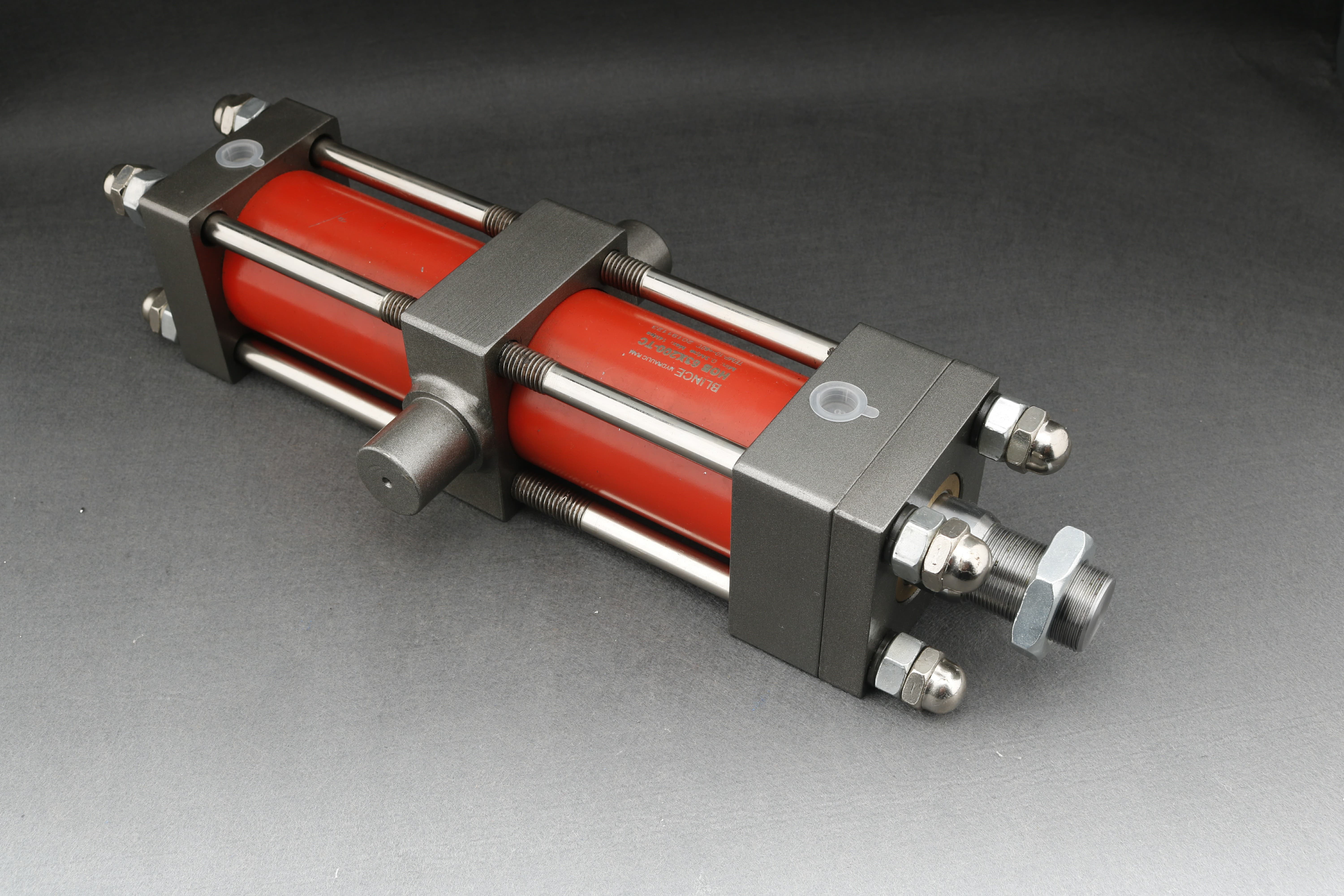
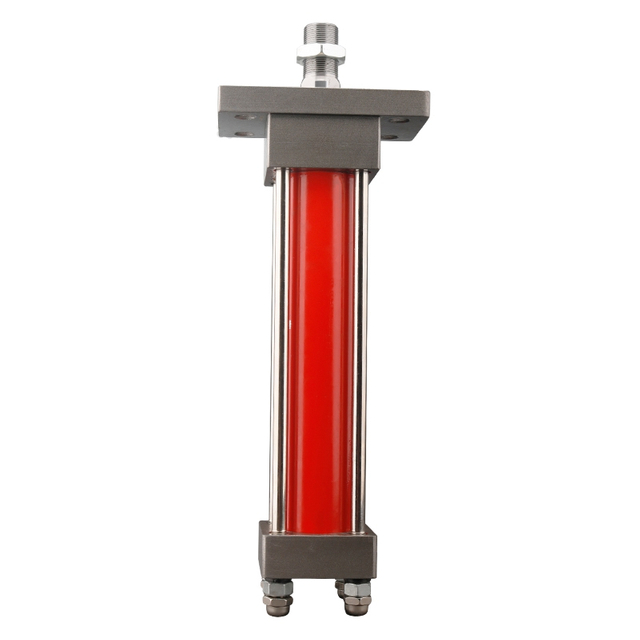
A hydraulic cylinder is often replaced only after something has already gone wrong. Maybe the rod seal is leaking. Maybe the rod is bent. Maybe the machine lifts slowly, shakes during movement, or cannot hold the load like it used to.
At that point, many people blame the cylinder.
In the field, however, a new hydraulic cylinder does not always solve the problem. If the mounting bracket is worn, the pin hole is oval, the rod is not aligned with the load, or dirt enters the oil port during installation, the new cylinder may fail again in a short time.
That is why hydraulic cylinder installation is not just a fitting job. It is a small system check.
This guide explains how to install a hydraulic cylinder in a practical way, especially for construction machinery, agricultural equipment, lifting platforms, trailers, industrial machinery, and custom hydraulic systems. The focus is not only on “how to put the cylinder on the machine,” but also on how to prevent leakage, side load, air problems, hose damage, and early seal failure.
Why Correct Installation Matters More Than Many People Think
A hydraulic cylinder looks simple from the outside: barrel, rod, ports, seals, and mounting ends. But during operation, it may carry heavy load, shock load, vibration, temperature change, pressure fluctuation, and frequent extension and retraction.
If the cylinder is installed correctly, the force goes straight through the cylinder axis.
If it is installed poorly, the cylinder has to fight against the machine structure. That is where problems begin.
For example, if the rod end is pulled slightly sideways, the piston rod may still extend and retract. At first, nothing looks serious. But inside the cylinder, the guide ring and seal are already taking uneven pressure. After some working hours, the rod seal may start leaking. In worse cases, the rod may bend or the barrel may be scratched internally.
So before installing a hydraulic cylinder, ask one simple question:
Can this cylinder move freely through the full stroke without being forced sideways?
If the answer is no, do not continue. Fix the mounting problem first.
Step 1: Confirm the Cylinder Before You Install It
Before removing the old cylinder, take photos of the original installation. Mark the hose position if needed. Many mistakes happen because the hoses are reversed or the new cylinder is installed in the wrong direction.
Then compare the new cylinder with the old one or with the drawing.
Check these items carefully:
Bore size
Rod diameter
Stroke length
Closed length
Extended length
Mounting type
Pin diameter
Port thread
Working pressure
Rod-end connection
Base-end connection
Sensor, cushion, or valve block position, if included
A cylinder that looks similar may still be wrong. A slightly shorter stroke may limit machine movement. A longer stroke may hit the mechanical stop. A wrong port angle may make the hose bend too sharply. A wrong mounting width may create side pressure on the bracket.
For replacement work, do not rely only on appearance. Measure the cylinder.
Step 2: Inspect the Machine, Not Just the Cylinder
Many installers only check the new hydraulic cylinder. That is not enough.
The machine structure around the cylinder is just as important.
Look at the mounting ears, pins, bushings, frame plates, and load connection. If the pin hole is worn into an oval shape, the new cylinder will not sit correctly. If the bracket is cracked or twisted, the cylinder will not work in a straight line. If the pin is too loose, the cylinder may knock during direction changes.
Pay attention to these signs:
Oval pin holes
Loose or worn bushings
Bent mounting plates
Cracked welds
Uneven pin wear
Old grease mixed with metal powder
Cylinder marks showing past rubbing or misalignment
When a cylinder fails repeatedly in the same place, the root cause is often the machine structure, not the cylinder itself.
Step 3: Clean the Area Before Opening Hydraulic Ports
Hydraulic oil ports must be treated like clean parts.
Before removing plugs from the new cylinder, clean the area around the ports. Do the same for hoses and fittings. Dirt, metal chips, old sealant, rust, sand, and paint flakes can enter the hydraulic system during installation.
Once contamination enters the cylinder, it can scratch the rod seal, damage the piston seal, block small valve passages, or return to the tank and affect other hydraulic components.
A simple habit helps a lot:
Clean first, open later.
Do not open the cylinder ports too early. Do not leave ports uncovered while adjusting brackets or grinding nearby parts.
Step 4: Install the Cylinder Without Forcing the Pins
Place the cylinder into the mounting position carefully. For heavy cylinders, use proper lifting equipment. Do not lift the cylinder by hydraulic hoses, oil ports, sensors, or the piston rod unless the manufacturer clearly allows it.
In most cases, it is easier to install the base end first, then adjust the rod end.
When inserting the pin, it should pass through smoothly. If it needs heavy hammering, something is wrong. The holes may not be aligned, the bracket may be twisted, or the cylinder may not be sitting squarely.
A light tap is normal in some field conditions. Forcing the pin is not.
After the base end is fixed, connect the rod end. Again, do not pull the rod sideways just to make the hole line up. That side pull will become side load during operation.
For flange-mounted or foot-mounted hydraulic cylinders, tighten the bolts evenly. Do not fully tighten one side first and then pull the other side into position. That may distort the cylinder body or mounting surface.
Step 5: Keep the Cylinder Aligned With the Load
Alignment is the part that decides whether the cylinder will last.
The piston rod should push and pull in the same direction as the load. If the load moves in an arc, the mounting method must allow that movement. This is why clevis mounts, spherical bearings, and trunnion mounts are often used on mobile machinery.
A fixed cylinder in a moving structure is a common cause of trouble. The cylinder may work at first, but it will carry bending force every time the machine moves.
Poor alignment can cause:
Rod seal leakage
Rod bending
Scratched rod surface
Damaged guide rings
Uneven piston wear
Jerky movement
Higher oil temperature
Shorter cylinder life
Before connecting hoses, move the mechanical structure slowly through its movement range if possible. Watch the cylinder. The rod should not twist, scrape, or pull the bracket sideways.
The hose must have enough length for the full cylinder stroke. It should not be stretched when the cylinder extends. It should not fold when the cylinder retracts. It should not rub against sharp edges, moving arms, tires, chains, or hot surfaces.
Check these details:
Correct port connection
Correct thread and seal type
No damaged O-rings
No over-tightened fittings
No hose twisting
Enough bending radius
Enough hose movement allowance
Protection at rubbing points
If the hydraulic cylinder is double-acting cylinder, confirm which port controls extension and which port controls retraction. Reversed hoses may not damage the cylinder immediately, but they can create dangerous machine movement during the first test.
Tighten fittings properly. Too loose will leak. Too tight may damage threads, crush seals, or crack fittings.
Step 7: Fill Oil and Remove Air Slowly
After installation, there may be air inside the cylinder and hoses. Air makes the cylinder movement soft, noisy, and unstable.
Do not run the cylinder at high speed immediately.
Start the hydraulic system at low pressure. Move the cylinder slowly. Extend and retract several times. Watch the oil tank level because the new cylinder and hoses may take in oil during the first cycles.
If the cylinder has a bleeding port, use it carefully. Keep clear of high-pressure oil. Open it slightly, allow air to escape, and close it when stable oil appears. If there is no bleeding port, slow cycling is usually used to push air back to the tank.
Common signs of air in the cylinder include:
Shaking movement
Foam in the oil tank
Abnormal noise
Slow response
Uneven speed
Weak load holding
If the movement does not improve after several slow cycles, check the suction line, oil level, pump condition, and return path. Air may be entering the system somewhere else.
Step 8: Test at Low Pressure Before Full Load
A good installation should be tested gradually.
Do not install the cylinder and immediately put the machine under full working load. That is how small mistakes become expensive failures.
Then increase pressure step by step. If everything is normal, test under working load.
After the first working test, stop the machine and inspect again. Some leaks only appear after pressure rises. Some loose fittings only show oil marks after vibration.
Common Installation Problems and Field Causes
Problem After Installation
Possible Cause
What to Check First
Rod seal leaks quickly
Side load, scratched rod, dirty oil
Alignment, rod surface, oil cleanliness
Cylinder moves slowly
Air, low flow, blocked hose, wrong valve setting
Oil level, hose routing, pump flow
Cylinder shakes
Air in system, loose pins, unstable pressure
Bleeding, pin fit, pressure setting
Cylinder cannot reach full stroke
Wrong stroke, mechanical stop, hose problem
Cylinder length, structure, hose connection
Fittings leak
Wrong seal, damaged thread, poor tightening
O-ring, thread type, torque
Rod bends
Load not aligned, bracket deformation
Mounting geometry, load direction
Hose bursts or rubs
Poor routing, sharp bend, no protection
Hose length, clamp position
Cylinder makes noise at end stroke
Air, high speed, cushion issue
Speed setting, bleeding, cushion adjustment
What Should Be Checked After Installation?
The first inspection after installation is very important. Do not wait until the next maintenance cycle.
Whether the machine movement feels different from before
For machines working in mud, dust, rain, fertilizer, salt spray, mining areas, or outdoor construction sites, rod protection is especially important. Once the chrome surface is damaged, the rod seal will suffer.
How to Reduce Hydraulic Cylinder Failure After Replacement
A new cylinder should not be treated as an isolated spare part. It belongs to the whole hydraulic system.
To reduce repeat failure, check these points:
Use clean hydraulic oil. Dirty oil can damage seals and internal surfaces.
Replace or inspect filters. If the old cylinder failed internally, debris may already be in the oil.
Check pressure settings. Excessive pressure can overload the cylinder and machine structure.
Inspect mounting brackets. A worn bracket can destroy a new cylinder.
Avoid side load. The rod is designed for axial force, not bending force.
Route hoses properly. A badly routed hose may leak, burst, or pull on the cylinder port.
Lubricate pins and bushings. Dry pins increase wear and vibration.
Test slowly after installation. Low-pressure testing helps find problems before damage occurs.
When a Standard Cylinder Is Not Enough
Some machines need more than a standard replacement cylinder.
For example, a cylinder used on a loader, forestry machine, mining vehicle, marine device, or heavy-duty agricultural implement may face shock load, dirt, corrosion, long working hours, or high-frequency movement.
In these cases, the supplier may need to confirm:
Seal material
Rod coating
Tube strength
Mounting type
Cushion design
Port position
Working pressure
Stroke accuracy
Temperature range
Oil compatibility
Load direction
Installation space
For OEM projects, it is better to share drawings, photos, working pressure, load condition, installation space, and equipment type before production. A cylinder that fits the hole may still fail if it does not fit the working condition.
Blince Hydraulic Cylinder Support
Blince supplies hydraulic cylinders and other hydraulic components for construction machinery, agricultural machinery, industrial equipment, mobile machinery, and custom hydraulic systems.
For replacement projects, we can help check key parameters such as bore, rod diameter, stroke, mounting type, port size, and working pressure. For OEM projects, we can also support custom hydraulic cylinder solutions based on equipment structure and application requirements.
When choosing a hydraulic cylinder, the question is not only “Can it be installed?”
A better question is:
Can it work smoothly, safely, and repeatedly under the real load of the machine?
That is the difference between simple replacement and proper hydraulic cylinder selection.
FAQ
1. What is the most common mistake during hydraulic cylinder installation?
The most common mistake is poor alignment. If the piston rod is forced to work at an angle, the cylinder may leak, shake, wear quickly, or bend the rod.
2. Should I replace the pins when replacing a hydraulic cylinder?
If the pins or bushings are worn, they should be replaced or repaired. A new cylinder installed with worn pins may still suffer from vibration and side load.
3. Can I test a new hydraulic cylinder at full pressure right away?
It is better to start at low pressure. Move the cylinder slowly, remove air, check for leaks, and then increase pressure step by step.
4. Why does a new hydraulic cylinder leak soon after installation?
Possible reasons include scratched rod surface, dirty oil, damaged seals, wrong fittings, over-tightened connections, or side load caused by poor alignment.
5. Do hydraulic cylinders need bleeding after installation?
Usually yes. Air trapped in the cylinder or hoses can cause shaking, noise, slow response, and unstable movement.
6. How can I tell if the cylinder is misaligned?
If the pin is hard to insert, the rod pulls sideways, the bracket moves during operation, or the rod seal wears quickly, alignment should be checked.
7. Why is hose routing important?
Poor hose routing can cause rubbing, twisting, sharp bending, flow restriction, leakage, or hose failure during cylinder movement.
8. What information is needed for a replacement hydraulic cylinder?
You should provide bore size, rod diameter, stroke, closed length, mounting type, pin size, port thread, working pressure, equipment type, and photos or drawings.
9. Can dirty hydraulic oil damage a new cylinder?
Yes. Dirty oil can scratch sealing surfaces, damage seals, and reduce the service life of the cylinder and other hydraulic components.
10. When should I choose a custom hydraulic cylinder?
A custom cylinder is recommended when the machine has special mounting space, heavy load, shock load, special stroke, unusual port position, harsh environment, or non-standard pressure requirements.
Blince Hydraulic Team
Blince Hydraulic is a professional hydraulic components manufacturer in China. Since 2004, we have focused on the development, manufacturing, and supply of hydraulic solutions for mobile machinery, agricultural equipment, construction machinery, industrial equipment, and customized hydraulic systems.
Our main products include hydraulic motors, hydraulic pumps, hydraulic valves, hydraulic cylinders, steering control units, hydraulic hoses, fittings, oil coolers, hydraulic power units, and customized hydraulic systems. These products are widely used in tractors, harvesters, loaders, excavators, lifting platforms, mining equipment, marine systems, and industrial automation equipment.
Located in Dongguan, close to Shenzhen and Guangzhou ports, Blince is able to support international customers with efficient production, stable quality control, and flexible delivery. Our factory is equipped with advanced production facilities, testing equipment, and engineering support. With ISO 9001 and CE standards, we continue to provide reliable hydraulic products for customers who need stable performance, practical technical support, and long-term cooperation.
Whether you need a standard replacement hydraulic component or a customized hydraulic solution for your equipment, Blince can help you select suitable products according to model numbers, technical parameters, drawings, samples, or actual working conditions.