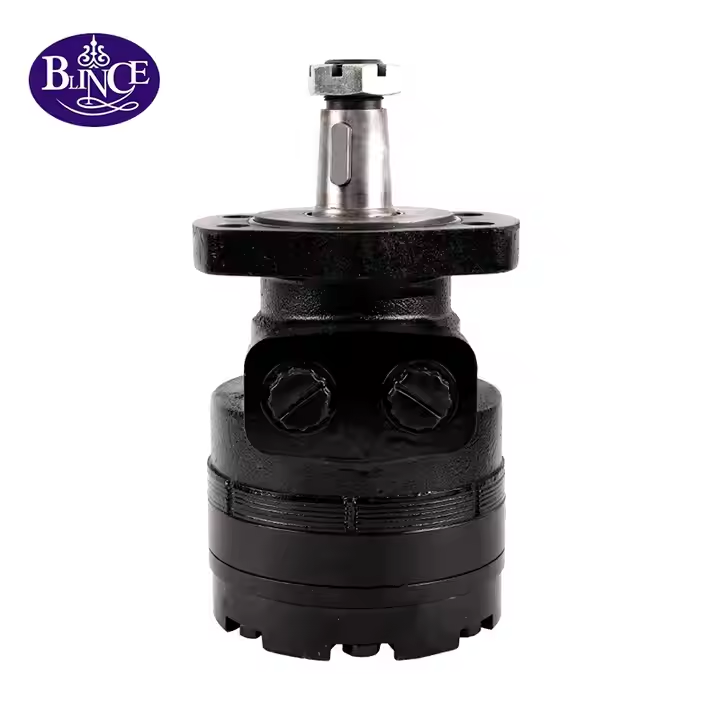
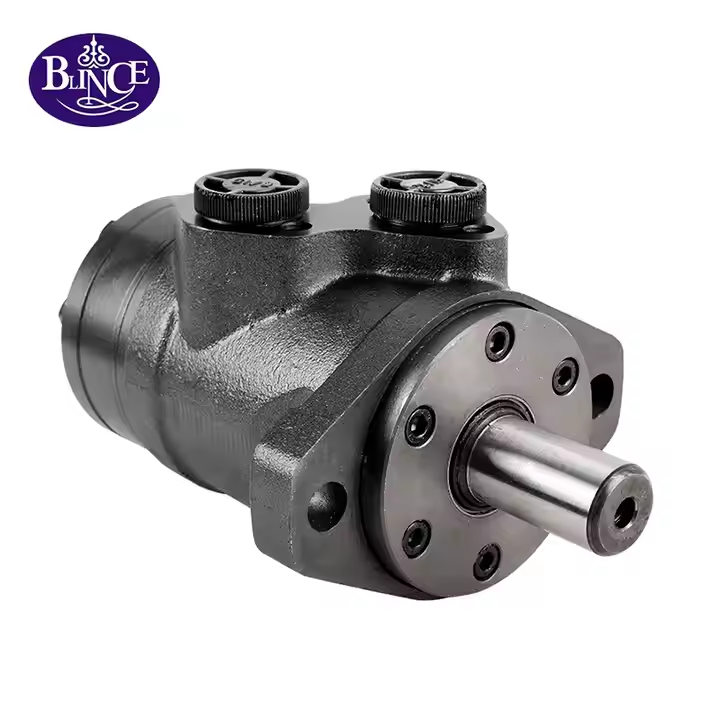
Hydraulic motors (like hydraulic pumps) are major heat sources in hydraulic systems. Some heat is unavoidable, but excess heat represents wasted energy and reduced efficiency. Under heavy load or improper conditions a hydraulic motor will overheat, degrading its performance. This guide explores the causes of hydraulic motor overheating and practical solutions and preventive measures (cooling, oil choice, maintenance, etc.) to fix it.
Causes of Hydraulic Motor Overheating
Excessive pressure or speed: Running the hydraulic motor at higher pressure or RPM than its design causes more internal friction and heat. (Higher working pressure and speed make the motor heat up faster.)
Heavy load or overloading: Operating beyond the motor’s rated capacity forces it to work harder. Exceeding the design load or torque causes the motor to overheat.
Poor cooling/ventilation: Insufficient airflow or high ambient temperatures let heat build up. If the motor or reservoir lacks ventilation (or is in a hot environment), heat can’t dissipate, so oil temperature rises.
Low or contaminated oil: Low oil level or dirty hydraulic fluid greatly reduces cooling. Contaminants (dirt, water, debris) or air in the oil hinder heat transfer, causing the oil to heat up and break down. Overheated fluid loses lubricity and accelerates wear on the motor.
Wrong oil viscosity/type: Using hydraulic oil that’s too thin (low viscosity) can increase internal friction; using the wrong fluid generally degrades cooling. Thin oil can slip past parts causing heat, and old/broken-down oil won’t absorb heat well.
System faults (leaks or valve issues): Misadjusted relief valves or internal leaks cause unintended pressure drops, which convert hydraulic energy into heat. Any bypass flow (leaking past seals or valves) generates extra heat in the oil.
Section Summary:Hydraulic motor overheating is usually caused by operating beyond design limits or poor cooling. High pressure/load, inadequate airflow, and oil problems (contamination, low level, wrong viscosity) are common culprits.
Solutions and Preventive Measures
Correct motor sizing & settings: Ensure the hydraulic motor is rated for your application. Using a properly sized motor and setting the system pressure correctly avoids unnecessary overload.
Adequate cooling: Install effective cooling (oil coolers, heat exchangers or fans). Water-cooled or air-cooled systems help keep oil below about 70 °C; for heavy-duty use, water-cooled is often best. Make sure reservoir airflow is unobstructed and ambient heat sources are removed.
Maintain hydraulic oil: Use clean, high-quality hydraulic oil of the correct viscosity. Keep the reservoir full and change the oil/filter on schedule. Clean oil transfers heat better and provides proper lubrication; topping up oil prevents overheating from starvation.
Regular maintenance: Inspect and replace filters, and fix leaks or worn seals immediately. Blocked filters or slipping seals trap heat. Check pressure relief valves and accumulator settings to ensure they aren’t generating excess heat.
System checks: Monitor oil temperature and do not run above safe limits (180°F/82 °C). If the oil overheats, shut down the system and troubleshoot. Improving heat dissipation (e.g. cleaning the heat-exchanger) or reducing heat load is key.
Hydraulic motor replacement: If severe overheating has degraded the motor (fluid breakdown, pitted seals, etc.), replacement may be more effective than repair. Persistent overheating or damaged internals means the motor can’t be restored efficiently.
Section Summary: Preventing overheating requires good design and upkeep: proper motor selection, clean oil, and sufficient cooling are essential. Regular checks (reservoir level, filters, cooling systems) help dissipate heat and avoid damage.
Repair vs. Replacement
Address minor overheating by fixing root causes (improving cooling, cleaning oil, etc.). But if overheating has damaged the motor internally (worn bearings, broken seals, extreme fluid contamination), replacement is often needed. In particular, once fluid degradation and metal wear occur, the motor’s efficiency can’t fully recover. Consider a new motor if the same unit overheats repeatedly or if repair costs approach a new motor’s price.
Section Summary: Routine maintenance usually prevents overheating, but a motor pushed past its limits may need replacement. Motors with irreversible heat damage or wear should be replaced to restore system performance.
FAQ
Q: Why is my hydraulic motor overheating? A: Common causes include running at too high pressure or speed, heavy loads beyond capacity, poor airflow, or oil issues. Overloading the motor or using dirty/low oil causes excess internal friction and reduced cooling, leading to overheating.
Q: How can I prevent hydraulic motor overheating? A: Ensure the motor is correctly sized for your application, and that system pressures are set properly. Keep the hydraulic oil clean and topped up, and install adequate cooling (fans, heat exchangers). Regularly inspect filters, seals, and the reservoir, and provide good ventilation to dissipate heat.
Q: Can using the wrong hydraulic oil cause overheating? A: Yes. Oil with improper viscosity or contaminants can increase heat. Thin or low-viscosity oil can create more friction inside the motor, and dirty oil won’t cool as well. Always use the manufacturer-recommended hydraulic oil and change it on schedule.
Q: When should I replace my hydraulic motor? A: If overheating has caused severe internal damage (fluid breakdown, scorched seals, etc.) that cannot be repaired, replacement is needed. Persistent overheating, loss of power/torque, or fluid contamination despite maintenance are signs that a motor replacement may be more cost-effective.
Q: What is a hydraulic gear motor and when should I use it? A: A hydraulic gear motor is a simple, compact motor using meshing gears. It has a lighter, smaller design than piston motors, making it ideal when space is limited. Gear motors also tolerate slight oil contamination well. They’re chosen for applications needing a compact, rugged motor. (As with any motor, using clean oil and proper cooling remains important to prevent overheating.)