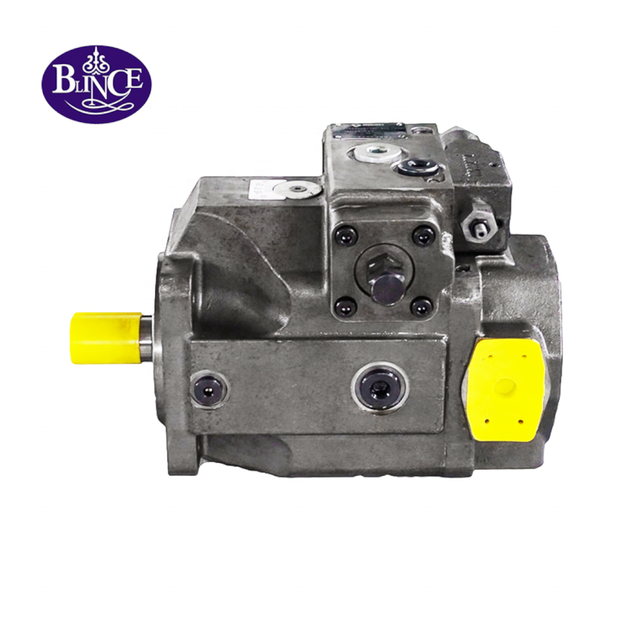
Hydraulic pumps are the heart of industrial fluid-power systems, but excessive vibration can signal underlying problems. Left unchecked, vibration leads to fluid leaks, rapid wear, and reduced efficiency. In high-pressure applications common across Russia, Mexico, and Argentina, understanding pump vibration is essential for reliability. This guide explains why hydraulic gear pumps, vane pumps, and piston pumps may vibrate, and how to diagnose and prevent these issues to keep your systems running smoothly.
Types of Hydraulic Pumps: Gear, Vane & Piston
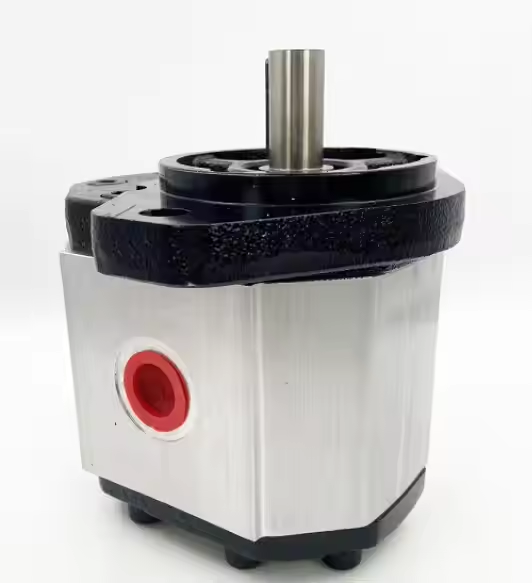
Hydraulic pumps come in several designs, each with its own characteristics. Gear pumps are compact and simple, making them cost-effective for many applications. They operate on meshing gears and tolerate oil with lower cleanliness, but they do experience unbalanced shaft forces, rapid wear, and significant internal leakage. These factors can cause pulsating flow and increase vibration and noise over time.
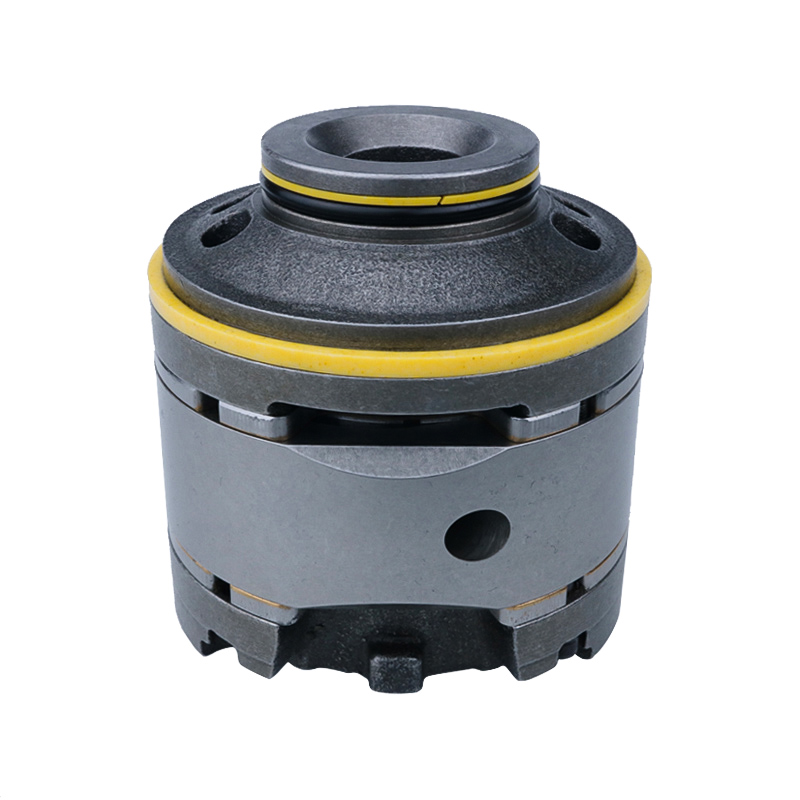
Vane pumps use sliding vanes to create flow. They produce a very uniform, smooth flow and run with lower noise levels than gear pumps. Vane pumps can reach higher pressures with good volumetric efficiency, but their more complex sliding parts require regular maintenance to prevent wear-induced vibration.
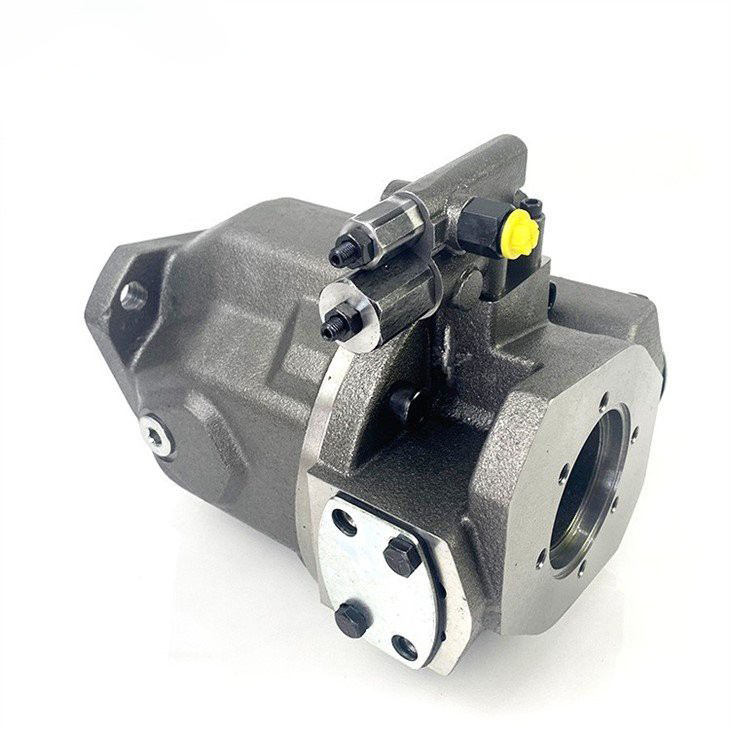
Piston pumps (axial or radial) handle the toughest jobs. They offer the highest volumetric efficiency and lowest internal leakage, making them ideal for high-pressure, heavy-duty hydraulic systems. However, piston pumps are complex and expensive, and they demand extremely clean oil. Any contamination or improper assembly can quickly translate into vibration or noise.
By comparing these types, you can choose the right pump for the job and anticipate what might cause it to vibrate. For example, gear pumps are rugged and inexpensive but more prone to pulsation and clearance wear, whereas piston pumps are smoother but highly sensitive to oil quality
Common Causes of Hydraulic Pump Vibration
Hydraulic pump vibration usually arises from mechanical or hydraulic issues. Mechanical causes include misalignment, imbalance, or looseness in the pump drive. If the pump coupling, shaft or foundation is not tight and aligned, the rotating assembly will wobble. Hydraulic Institute guidelines note that imbalance, misalignment, or bearing faults cause forced vibrations at the shaft’s rotation frequency. In practice, a common rule is: “vibration at 1× shaft speed implies imbalance”.
Hydraulic causes involve the fluid and pressure conditions. Air entrainment and cavitation are prime culprits. For example, small cranes and mobile units often vibrate when air is drawn into the pump or the suction line is starved. When air bubbles collapse (cavitation) or flow recirculates inside the pump, they create high-frequency pulsations. Likewise, sudden pressure spikes or valve cycles can shake the pump. If oil levels are too low or suction filters are clogged, the pump may gulp air, leading to pressure instability and violent vibration.
In short, typical causes of pump vibration include:
Mechanical issues: Loose mounting bolts, misaligned drive couplings, bent shafts, or worn bearings.
Fluid issues: Air leaks in the intake, cavitation from low suction pressure, and turbulence from blockages or abrupt valve movements.
Resonance: If a forcing frequency (e.g. from an impeller vane pass or electrical motor pulses) coincides with a natural frequency of the pump structure, vibrations can amplify dramatically.
Diagnosing vibration starts by isolating the source: listen to the pump, feel for loose parts, check for heat or cavitation noise. Often the fix is simple: eliminate air leaks and secure all fittings.
Troubleshooting and Preventing Pump Vibration
Once you’ve identified potential causes, use these strategies to solve and prevent hydraulic pump vibration:
Correct installation: Always mount the pump on a solid base with proper alignment. Even small misalignment amplifies vibration at high RPM. Use the right coupling and ensure it’s tight.
Inspect mechanical parts: Regularly check bearings, seals, and coupling components for wear. Replace worn bearings or couplings before they fail. recommends routine bearing and seal inspection, as wear there directly causes vibration.
Maintain clean fluid: Contaminants and air in the oil accelerate wear. Use appropriate filters: for example, gear pumps typically require ~40 μm filtration, vane pumps ~25 μm, and piston pumps ~10–15 μm. Follow recommended viscosity and change intervals. Clean oil reduces friction and noise.
Control pressure spikes: Avoid sharp valve closures or overloaded operation. Pressure fluctuations create shock loads. As a rule, maintain a stable pressure and flow during pump operation. Use relief valves or dampeners if the system is prone to spikes.
Routine monitoring: Keep vibration records for trend analysis. On new pumps, perform an acceptance vibration test to set a baseline. Then periodically measure vibration during maintenance checks. Trending can alert you if vibration levels rise over time, giving warning before catastrophic failure.
Use diagnostic tools: For stubborn issues, vibration analysis (time waveform or FFT spectrum) can pinpoint fault frequencies. For example, spectral peaks at one or more times shaft speed often reveal imbalance or vane-related forces. While detailed analysis may require experts, even simple handheld vibration meters can detect abnormal levels.
In most cases, pump vibration can be resolved by addressing these fundamentals. For instance, adding oil to a low-reservoir pump and tightening a loose suction line often stops excessive pulsations immediately. If replacement is needed, also consider upgrading to a pump design better suited to your fluid and pressure conditions.
Conclusion
Hydraulic pump vibration is a common yet solvable issue in industrial fluid-power systems. By understanding the causes—mechanical misalignment, air in the system, cavitation and more—you can take targeted action. Routine maintenance (clean oil, proper filters, tight fittings) combined with careful installation keeps gear pumps, vane pumps, and piston pumps running smoothly. In turn, this extends equipment life and prevents downtime. Vibration monitoring is even recommended as standard practice to prevent failures. For hydraulic buyers in Russia, Mexico, Argentina and beyond, applying these best practices will ensure reliable pump operation. If problems persist, consult with experienced fluid-power engineers or equipment suppliers who understand local industry needs.
FAQ
Q: What are common causes of hydraulic pump vibration?
A: Vibration usually comes from mechanical issues (misalignment, loose mounting, imbalanced parts) or hydraulic issues (air ingestion, cavitation, pressure surges). Misaligned shafts or couplings cause oscillation, while air bubbles collapsing in the oil create high-frequency pulsing. Even simple problems like low oil level or clogged suction lines will cause unstable pressure and vibration. Addressing these causes—tightening fittings and eliminating air—often reduces vibration immediately.
Q: How can I troubleshoot and fix hydraulic pump vibration?
A: Start by checking installation and condition. Ensure the pump is properly aligned on its base and all bolts/couplings are tight. Check oil level and look for air leaks in suction lines. Replace or realign any worn bearings or shafts. Also inspect and clean filters. If noise persists, use a vibration meter or spectrum analyzer: peaks at 1× shaft speed often mean imbalance, while other harmonics can indicate internal pump issues. Many issues resolve by routine maintenance: adding oil, replacing a bad seal, or remounting the pump will stop excessive vibration.
Q: Do gear pumps vibrate more than vane or piston pumps?
A: Generally yes. Gear pumps are simpler and sturdier, but they produce a more pulsating flow and run louder as they wear. Vane pumps are smoother and quieter, and piston pumps (though efficient) require very clean oil to avoid noise. In practice, gear pumps may need more frequent check-ups for vibration. Choosing the right type (e.g. a vane or piston pump for smoother operation) depends on your pressure, flow, and cleanliness needs.
Q: How important is fluid cleanliness and maintenance for pump vibration?
A: Extremely important. Dirty fluid and air are prime vibration sources. Always use the correct hydraulic oil and replace it as needed. Filtration is key: as a guideline, gear pumps need ~40 μm filters, vane pumps ~25 μm, and piston pumps ~10–15 μm. Clean oil prevents abrasive wear on gears/pistons and stops air cavitation. Combine this with scheduled maintenance—checking seals, levels, and filters—to keep vibration low.
Q: How often should I monitor hydraulic pump vibration?
A: It’s best practice to measure vibration at pump commissioning and then regularly thereafter. For example, record baseline vibration on a new pump, then check it during routine service intervals. Trending the data helps catch rising vibration levels early. In busy industrial settings (like mines in Russia or factories in Mexico), even periodic checks (monthly or quarterly) can prevent unexpected failures. Proper planning for ongoing vibration monitoring will extend pump life and ensure system reliability