Hydraulic systems are the muscle of industrial machinery – from hydraulic motors in excavators to presses driven by hydraulic pumps and valves. Yet a perplexing issue can arise: the pressure gauge reads normal (or even high), but the machine feels weak or won’t do work. Imagine a hydraulic cylinder showing 200 bar on the gauge but barely lifting its load, or an orbital motor (gerotor motor) that stalls under load despite “normal” pressure. For procurement professionals and OEM engineers (including those in Russia and Spanish-speaking regions where heavy equipment is vital), understanding this pressure-versus-power mismatch is crucial. In hydraulics, pressure is only half the equation – flow is the other half. True hydraulic power is the product of pressure and flow rate. If either is insufficient, the result is low power output. In this article, we explain why a hydraulic system can show normal pressure yet deliver no or low power. We’ll explore common causes – from insufficient flow and internal leakage to false pressure readings and low effective pressure – and how high-quality components (like those from Blince Hydraulic) and good practices can prevent these issues.
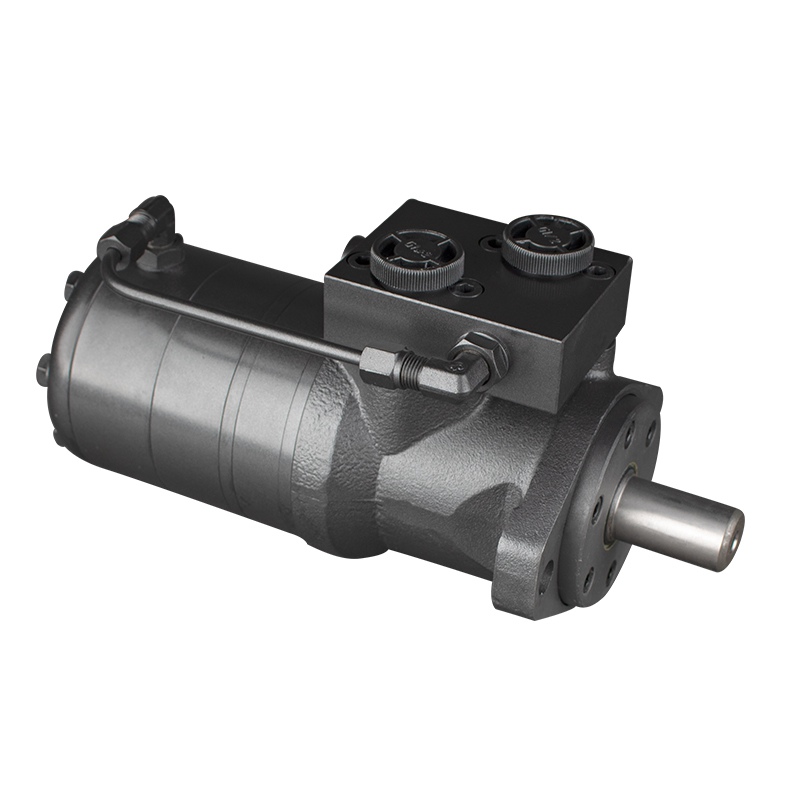
Insufficient Flow: Pressure is Fine, Volume is Not
One major culprit is insufficient flow. A pump may reach the rated pressure but deliver too little oil volume to do useful work. In hydraulic terms, pressure creates force, but flow creates movement (speed) – and power requires both. If the hydraulic pump is worn out or undersized, it might build pressure with a small trickle of oil, but not enough flow to drive actuators with force. The system essentially “dead-heads,” showing normal pressure on the gauge while the motor or cylinder barely moves. This often happens with clogged filters, collapsed suction lines, or pumps suffering internal wear. For example, a gear pump with internal wear can still hit 180 bar, but its output might have dropped from 20 L/min to 5 L/min – the machine will be sluggish or stall. As one testing guide notes: “Pressure alone is not enough. A pump may reach rated pressure but deliver insufficient flow – meaning efficiency is lost.” In practice, always diagnose both pressure and flow. A flowmeter test can reveal if the pump’s output falls off at high pressure (a sign of pump inefficiency or internal leakage). Ensuring the pump is properly sized and maintained (and that filters and intakes are clear) will address flow shortages. In summary, adequate pump flow is required to convert pressure into hydraulic power – without enough flow, the system will feel weak despite a normal pressure reading.
Internal Leakage: Pressure on the Gauge, Power Bleeding Away
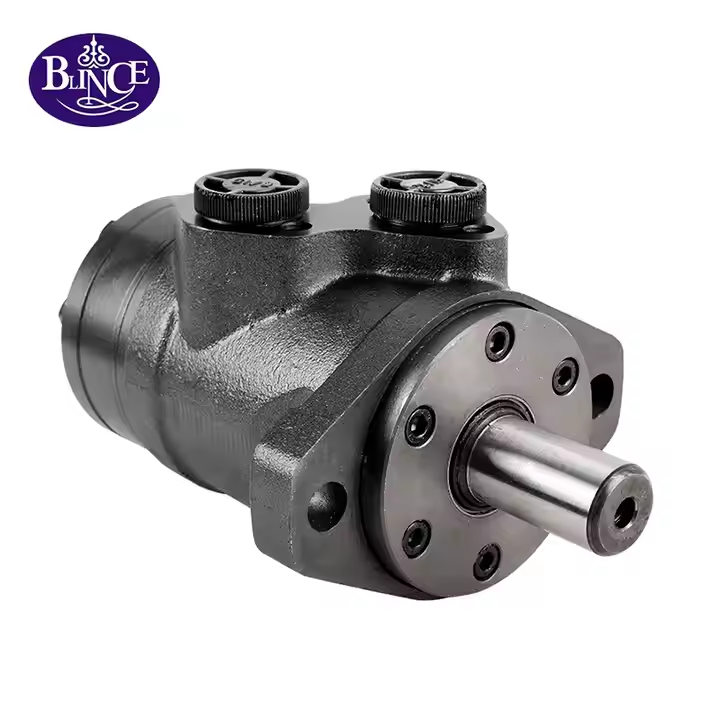
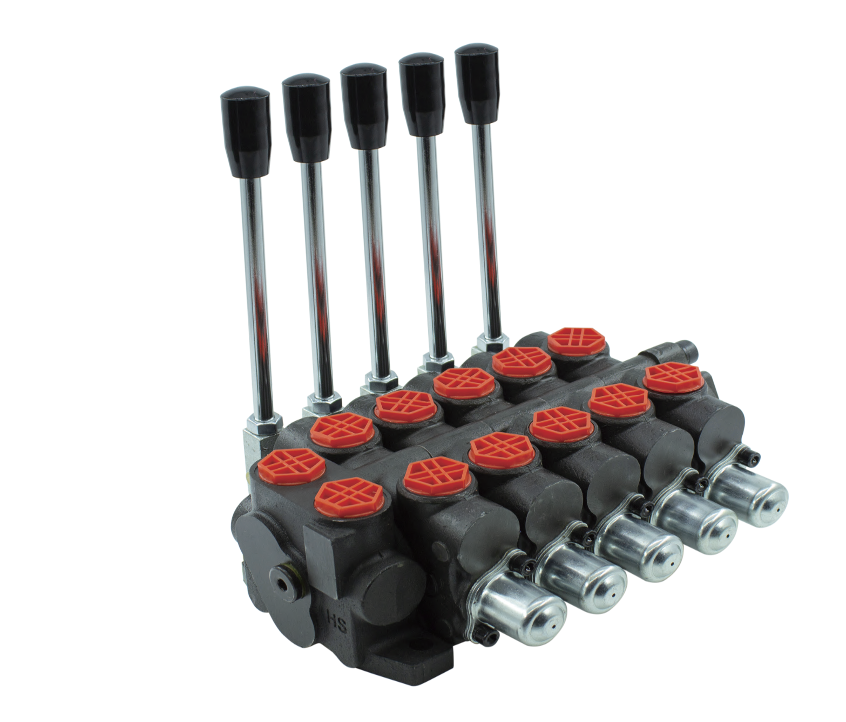
Another common reason for “pressure but no power” is internal leakage in the hydraulic components. Internal leakage means that pressurized fluid is escaping through internal clearances or bypass paths instead of doing work. The system’s pressure might read normal at the pump or valve, but due to leaks, the fluid never fully reaches the actuator with force. This can occur in hydraulic motors,hydraulic valves, or hydraulic cylinders as they wear. For instance, worn piston seals in a cylinder can let high-pressure oil leak across to the return side, equalizing pressure and preventing force output – the gauge may show pressure, but the cylinder doesn’t extend with strength. Similarly, a hydraulic valve (like a directional valve) with a stuck spool or worn seals might leak internally, sending oil back to the tank instead of to the motor. In effect, the system builds some pressure but it’s “looping” internally. According to hydraulic troubleshooting experts, internal wear creates clearances that allow pressurized fluid to leak internally rather than flow to the actuators, directly reducing available pressure and flow for work. Signs of internal leakage include excessive heating of fluid (lost energy turns to heat) and inability to maintain pressure under load. For example, an orbital motor with worn gerotor elements might spin freely with no load (minimal pressure) but under load it slips internally – the supply pressure jumps to relief setting, yet the shaft lacks torque. Another case is a partially open relief valve or unloading valve: if a relief valve is stuck slightly open, it will bleed flow at the set pressure, so the gauge might hover at that “normal” pressure but the actuators get scant flow or force. In all these scenarios, internal leaks make the system appear pressurized while robbing it of power. The solution is to locate and fix the leakage – worn seals, scored valve spools, or eroded motor internals should be repaired or replaced. High-quality components with precise tolerances (like Blince hydraulic motors and valves) are less prone to premature internal leakage, ensuring that pressure translates into actual power.
False Pressure Readings: Misleading Gauge Information
Sometimes the pressure reading itself is misleading, leading one to think pressure is “normal.” A single gauge only shows pressure at its location – which might not reflect what’s happening where work is done. If the pressure gauge is installed upstream of a restriction or on the pump outlet only, it may always read the pump’s output pressure even if that flow isn’t reaching the actuator. This can create a false pressure indication of normal operation. For example, if a downstream line is blocked or a quick-coupler isn’t fully engaged, the pump will quickly hit the relief pressure and the gauge reads high, but little to no oil actually goes into the actuator. The gauge is essentially showing back-pressure. An inexperienced technician might see 150 bar on the gauge and assume the system is fine, while the cylinder sees near zero pressure beyond the blockage. Gauge calibration or malfunction is another concern – a stuck or mis-calibrated gauge could falsely indicate normal pressure. In one case, a damped gauge on a hydraulic press showed consistent pressure due to a clogged snubber, even though the press force fluctuated widely. To avoid being fooled by a single reading, use multiple test points. It’s recommended to install pressure gauges at key points throughout the system – e.g. pump outlet, main line, and near the actuator – to isolate where pressure drops occur. By comparing readings, you can identify if pressure is truly reaching the load. In essence, verify the pressure: a “normal” reading might not be real or might not be at the right location. Always ensure gauges are functioning and measure pressure under load at the actuator to get the true picture. This eliminates false readings and pinpoints if a component down the line is causing a pressure drop.
Low Effective Pressure: Pressure Set Too Low or Lost Under Load
Another reason a hydraulic system lacks power despite showing “normal” pressure is that the effective working pressure is too low for the load. In other words, the system’s relief setting or pressure compensator might be set below what the task requires, or pressure is being lost when demand increases. What looks like “normal” system pressure may simply be the pressure ceiling that has been incorrectly calibrated. For instance, if a machine is supposed to operate at 210 bar but the relief valve is mis-set to 140 bar, the gauge will climb to 140 bar (and appear normal to an untrained eye), but the machine will feel underpowered because it needed higher pressure to do the job. Relief valves set too low directly limit maximum system pressure and reduce power output. This often happens after maintenance or replacement of a valve when settings aren’t properly adjusted. The fix is to adjust the relief or regulator to the specified pressure (ensuring it’s within safe limits of the system and pump).
Even in a correctly set system, pressure can drop under load due to line losses or weak pump response. Long hoses, undersized fittings, or flow suddenly directed to multiple functions can cause pressure at the actuator to sag even if upstream pressure looks okay. For example, in cold climates (relevant to Russia) thick oil can cause a high pressure drop through filters and valves, meaning the pump side sees high pressure but by the time fluid reaches a distant motor, the pressure is much reduced – the motor lacks torque. Similarly, if a variable-displacement pump’s compensator is faulty, the pump might destroke (reduce output) too early, not maintaining pressure under heavy load. The effective pressure at the actuator ends up lower than the gauge reading at the pump. To troubleshoot such cases, measure pressure at the actuator while it’s working. If you see a significant drop from pump pressure, look for causes like partially open valve bypasses, clogged filters, or heat-related viscosity changes. Resolving low effective pressure may involve tuning valve settings, using higher-capacity components, or improving line sizes to reduce pressure drop. Ultimately, a hydraulic system must sustain the required pressure at the load – not just at the source – to have full power.
Quality Components and Preventive Measures
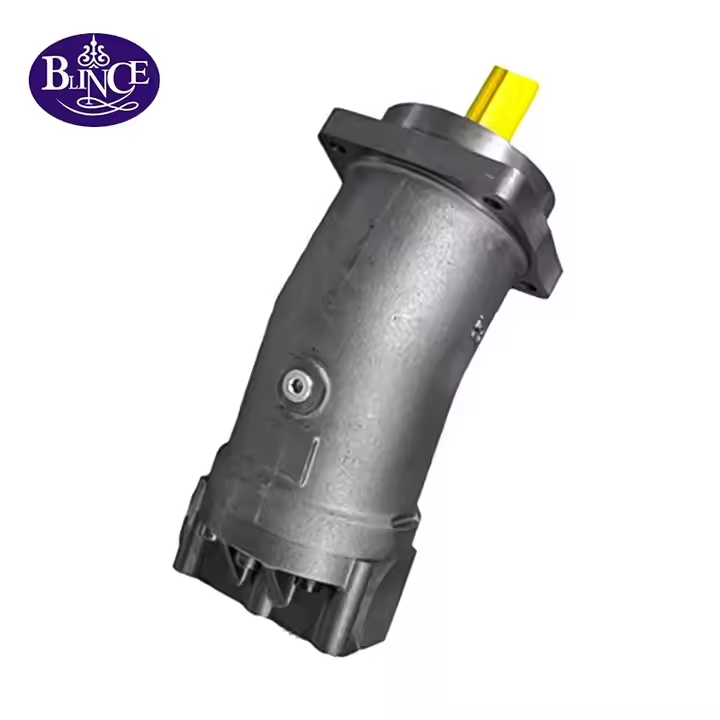
It’s clear that a hydraulic system showing normal pressure but lacking power signals an underlying issue – whether it’s flow starvation, leakage, misreads, or settings. Preventing these problems starts with good design and maintenance practices. Regularly check pump output (both pressure and flow) and inspect valves for proper adjustment. Internal leakages often develop gradually, so monitoring cycle times and heat can give early warning; a rise in fluid temperature or slower actuator movement may indicate wear before complete power loss occurs. Ensuring the use of high-quality components is equally vital. Precision-made hydraulic motors, pumps, and valves with proper seals and tolerances will maintain efficiency better over time. This is where working with a trusted supplier pays off.
Blince Hydraulic is one such supplier – known globally for reliable, high-performance hydraulic components. Blince manufactures a full range of orbital motors, piston pumps, directional and relief valves, and even turnkey hydraulic systems. The company focuses on mid-to-high-end markets and exports to over 100 countries, with products carrying ISO 9001 and CE certifications for quality. Blince’s emphasis on stable product quality and precision engineering means their hydraulic motors and valves have minimal internal leakage and robust performance under load. Technical support is also crucial: Blince offers expert guidance in system design and troubleshooting. For procurement professionals in Russian and Spanish-speaking regions, partnering with such a supplier provides confidence that the components will perform as expected and that any pressure/power issues can be addressed with solid engineering support. In markets from Russia’s heavy machinery sector to Latin America’s industrial equipment field, having reliable hydraulic parts and expert backup reduces downtime and maintenance headaches.
Conclusion
When a hydraulic system shows normal pressure but lacks power, it’s a warning sign that something is amiss despite the gauge’s reassurance. We discussed four typical causes behind this pressure-power mismatch: insufficient flow, where the pump can’t provide the volume needed; internal leakage, where pressure slips away inside worn components; false pressure readings, where gauges mislead or pressure is measured in the wrong place; and low effective pressure, where settings or losses mean the actuator never actually sees the needed pressure. By understanding these causes, engineers and equipment buyers can troubleshoot more effectively – saving time and avoiding unnecessary parts swaps. The key takeaway is that pressure alone doesn’t equate to work done; only a combination of proper pressure and flow, delivered to the right place, yields the hydraulic power to move loads.
For industrial buyers and OEMs, ensuring your hydraulic systems are both well-designed and well-sourced is vital. Use this knowledge to specify components that meet your machines’ demands (in terms of flow capacity, sealing quality, etc.), and choose reputable suppliers like Blince that back their hydraulic motors, pumps, and valves with quality manufacturing and technical expertise. Routine maintenance – such as checking oil quality, inspecting for leaks, and calibrating relief valves – is also essential to keep the system running at full strength. In the end, a hydraulic system performing at its peak will show the expected pressure and deliver the expected power. That means safer operations, efficient production, and peace of mind for you as procurement professionals and engineers, whether you’re operating in Europe, Russia, Latin America, or anywhere globally.
FAQ
Q: Why is my hydraulic motor not working under load even though pressure is normal?
A: If a hydraulic motor stalls or feels weak under load despite a normal pressure reading, likely causes include insufficient flow (the pump can’t supply enough oil volume at pressure), internal leakage in the motor or valves (fluid bypasses internally, so the motor doesn’t get full force), or a relief valve limiting pressure. Essentially, the motor isn’t receiving the effective pressure/flow it needs. Check that the pump’s flow output meets requirements and look for leaks or bypass in valves. Also verify the pressure setting is high enough for that load – a motor may spin with no load at lower pressure but requires full system pressure to generate torque under load.
Q: Can a hydraulic valve leak internally and cause power loss?
A: Yes. Internal leaks in hydraulic valves (such as a spool valve or a pressure relief valve not seating properly) are a common hidden cause of power loss. When a valve leaks internally, pressurized fluid diverts back to the tank or to the return line without doing work. The system might still build some pressure, but the actuator (cylinder or motor) sees reduced force. For example, a worn directional valve can bypass fluid across its ports, or a relief valve stuck slightly open will bleed pressure. This internal leakage results in heating of fluid and often an inability to hold pressure under load. Replacing or repairing the faulty valve (and keeping fluid clean to prevent wear) will restore proper pressure and power. In summary, yes, internal valve leaks can significantly reduce hydraulic power, even if pressure gauges don’t immediately reveal the leak.
Q: What’s the difference between pressure and flow in a hydraulic system’s performance?
A: Pressure and flow are both essential to hydraulic performance but serve different roles. Pressure is the force intensity (measured in PSI or bar) that the fluid can exert, while flow (measured in GPM or L/min) is the volume of fluid moving through the system. Pressure creates the potential for force (e.g. to lift a weight or torque a motor), and flow determines how fast work is done (speed of a cylinder movement or motor RPM). Hydraulic power is a product of both: if either pressure or flow is lacking, the output power drops. For instance, you might have high pressure but very low flow (like pushing against an immovable object – force is there, movement is not) resulting in little work. Conversely, high flow but insufficient pressure won’t be able to overcome the load. A well-designed system provides the required pressure at the needed flow rate. Issues like we discussed – pump wear (flow loss) or relief valve settings (pressure limits) – disturb this balance, causing normal pressure readings with low actual power.
Q: How can I prevent a “normal pressure, no power” situation in my hydraulic equipment?
A: Prevention comes down to good maintenance and component selection. Regularly inspect and test your hydraulic system: ensure the pump is delivering its rated flow (periodic flow testing), and monitor system pressure under working conditions. Keep hydraulic fluid clean and at proper levels – contamination and heat accelerate wear, leading to internal leaks. Check and adjust relief valves and compensators to the specified settings for your machinery, especially after any service work. It’s wise to use high-quality hydraulic components from trusted brands (like Blince) that are less prone to premature leakage or failure. During troubleshooting, don’t rely on one pressure gauge alone; use gauges at various points to spot any pressure drop. By proactively maintaining filters, seals, and settings, and choosing robust hydraulic motors, pumps, and valves, you can ensure your system consistently delivers both the pressure and the power required.
Q: Do these principles apply to hydraulic systems worldwide (e.g. in Russia or Latin America)?
A: Absolutely. The physics of hydraulics are the same everywhere. Whether it’s an injection molding machine in Russia or a construction crane in a Spanish-speaking country, a hydraulic system needs the correct pressure and flow to perform. In fact, harsh operating conditions often seen in Russian winters or heavy-duty applications in Latin America’s mining and agriculture sectors make it even more critical to have reliable hydraulic power. Issues like oil thickening in cold climates or dust contamination in off-road equipment can contribute to the pressure/power problems discussed. The solutions – ensuring sufficient flow, preventing leaks, accurate pressure readings, and correct settings – are universal. Regional factors mainly influence maintenance practices (for example, using the right viscosity oil for a Russian winter) and the importance of local technical support. Companies like Blince cater to global markets, providing components built to international standards and offering multilingual support (Russian, Spanish, etc.) to help engineers and procurement teams apply these principles effectively in their local context.
Q: What are “orbital motors” and do they suffer from these pressure/power issues?
A: “Orbital motor” is a common term for a type of low-speed high-torque hydraulic motor (also known as a gerotor or geroler motor). They are widely used in equipment like agricultural machines, forklifts, and sweepers. Orbital motors indeed can experience the same pressure/power issues. For example, if an orbital motor is rated for a certain flow and pressure and the pump cannot supply that flow, the motor will turn slowly or stall (insufficient flow issue). If the motor’s internal wear increases (after long use), internal leakage will cause it to lose torque – it might spin with no load but fail under load while the system pressure maxes out. Many orbital motor issues trace back to the causes we’ve described: not enough flow reaching the motor, internal bypassing, or relief valves limiting pressure. Using a quality orbital motor (like those from Blince’s OMP/OMR series) and keeping the hydraulic oil clean will mitigate wear. Always check that your system’s pump and valves are properly sized and set for the orbital motor’s requirements. In summary, orbital motors are not immune to pressure-vs-power problems, but with proper system design and maintenance, they deliver reliable high torque at the intended pressure and flow.


