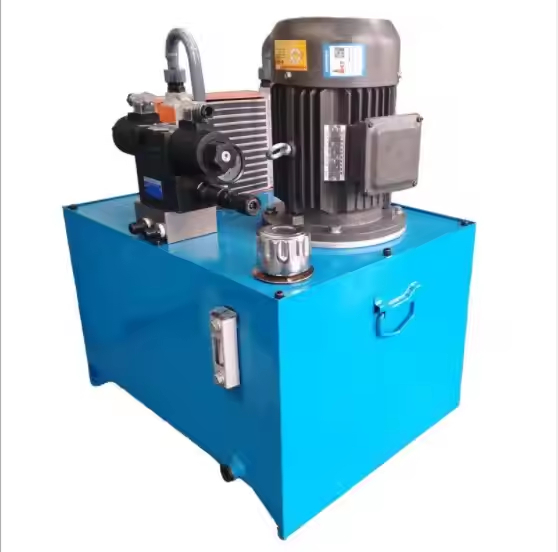
Does your hydraulic system run hot during idle times? That wasted energy costs real money. An unloading valve solves this problem. It automatically diverts pump flow to the tank at low pressure. In this article, you will learn exactly what an unloading valve does, how it saves energy, and where to apply it. You will also spot common failures and fix them fast.
Understanding the Core Function of an Unloading Valve in a Hydraulic System
The Basic Job – Redirecting Pump Flow to the Tank
Think of an unloading valve as a smart traffic cop inside your hydraulic system. Its main job? It automatically diverts the pump’s full output flow back to the reservoir once pressure hits a preset level. No hesitation. No partial measures. This action completely “unloads” the pump. The pump keeps spinning, sure—but it runs at very low pressure, almost like idling. It no longer fights against full system pressure. That makes a huge difference.
Let’s break down what happens in a typical hydraulic system:
Condition
Valve Position
Pump Flow Direction
Pump Load
Pressure below preset
Closed
To work circuit
Full load
Pressure reaches preset
Open
To reservoir (tank)
Near zero (unloaded)
Here’s why this matters. A fixed‑displacement pump doesn’t know when you need flow. It just keeps pushing the same volume every second. Without an unloading valve, that flow has nowhere to go during idle moments. So it rams against a closed circuit. Pressure skyrockets. The pump labors hard. Energy drains away as useless heat. You don’t want that. We don’t want that. An unloading valve steps in, opens a wide‑open lane to the tank, and lets the pump breathe easy. It’s a simple trick, but it transforms how efficiently a hydraulic system runs.
Why a Hydraulic System Needs an Unloading Valve
Here’s a fact that surprises many people: in any hydraulic system with a fixed‑displacement pump, the pump delivers the same flow whether you’re lifting a heavy load or just waiting. Always. No exceptions. So when your actuators stop moving—say, a press holds a part or a clamp stays closed—that flow has to go somewhere. If you don’t have an unloading valve, the system forces everything through a relief valve. But a relief valve operates at high pressure. It’s a safety device, not an energy saver.
What happens then? Three nasty things:
Massive energy waste – The pump works at full pressure while doing zero useful work.
Heat overload – That wasted energy turns into heat, cooking your hydraulic fluid.
Premature wear – Seals, hoses, and pumps degrade faster under constant high pressure.
An unloading valve fixes all that. It opens a low‑pressure path straight back to the tank. Pressure drops to nearly zero. The pump idles. The hydraulic system stays ready, but it sips power instead of gulping it. You can save between 80‑90% of energy during standby periods. That’s not a typo. We’re talking about cutting electricity or fuel bills dramatically. Plus, less heat means your oil lasts longer. Components last longer. Your whole operation runs smoother. So when someone asks, “What does an unloading valve do?”—tell them it’s the component that turns an energy‑wasting hydraulic system into a smart, efficient one.
How an Unloading Valve Works – Step by Step
The Spring‑Loaded Mechanism Inside
Let’s peek inside this clever device. You’ll find a few key parts working together. A spring‑loaded spool (or sometimes a poppet) sits in the middle. An inlet port connects to your pump. An outlet port leads straight back to the reservoir. Then there’s a pilot signal line—it senses pressure from the system. The spring keeps everything closed under normal conditions. Hydraulic pressure pushes against the spool from one side. The spring pushes back from the other. Which force wins? It depends on the pressure level. When system pressure stays low, the spring holds firm. No flow escapes. The pump sends all its energy to do real work. But once pressure climbs high enough, the hydraulic force overcomes the spring. The spool shifts. The valve cracks open. That simple fight between spring and pressure is what makes an unloading valve tick.
You don’t need to be an engineer to get this. Think of it like a pressure‑sensitive switch. Low pressure? Valve stays shut. High pressure? Valve pops open. That’s the core idea. And it works every single cycle without fail.
The Unloading Cycle – When and How It Opens
Now let’s walk through the full cycle step by step. Watch how a hydraulic system benefits from this smooth, automatic process.
Step 1 – Normal operation (valve closed) System pressure sits below the valve’s setting. Your actuators move freely. The unloading valve stays shut. Pump flow goes straight to the work circuit—no interruption. Everything runs normally.
Step 2 – Pressure hits the preset point (valve opens) Something changes. Maybe an accumulator finishes charging. Or an actuator reaches its limit and stops. System pressure rises. It crosses the unloading set point (usually 50‑200 PSI below the relief setting). Hydraulic force finally beats the spring. The spool shifts. The valve swings wide open.
Step 3 – Pump unloads (flow goes to tank) Now comes the magic. Pump flow rushes through the open valve and back to the reservoir. Pressure drops to nearly zero—just enough to overcome pipe losses. The pump spins but fights almost nothing. Energy consumption plummets. Heat stops building. Your hydraulic system takes a breather.
Step 4 – Pressure drops (valve closes) Sooner or later, the system needs power again. Maybe the accumulator drains a little. Or a valve shifts to move a cylinder. System pressure falls below the reset level. The spring pushes the spool back. The valve closes. Pump flow returns to the work circuit. Ready to work again.
This cycle repeats hundreds or thousands of times. Each cycle saves energy. Let’s compare what flows where during each phase:
Phase
Valve State
Pump Flow Destination
Pump Load
Working
Closed
Work circuit
Full
Unloading triggered
Open
Reservoir (tank)
Near zero
Pressure drop
Closing
Gradually returns to work
Rising
Restart
Closed
Work circuit
Full again
You see the pattern. It’s not complicated. The valve just switches between two modes: working and resting. That switching action is what makes a hydraulic system so much more efficient than one without it.
The Role of Pilot Operation in Larger Systems
Small systems work fine with direct‑acting valves. But what about big industrial gear? Here’s the problem. A direct‑acting valve needs a heavy spring to stay closed against high pressure. That spring gets harder to compress. You need enormous hydraulic force to open it. Not practical. Not efficient. So engineers created a smarter solution: pilot‑operated unloading valves.
How do they work? They use a tiny pilot valve to control a much larger main valve. The pilot valve senses system pressure through a small orifice. When pressure hits the set point, the pilot valve opens a drain path. That releases pressure from the back of the main spool. Then even moderate system pressure can push the main spool open. It’s like using a small switch to flip a heavy breaker. The result? You get precise control without huge springs.
Check the differences between these two designs:
Feature
Direct‑Acting
Pilot‑Operated
Spring force required
High (fights full pressure)
Low (pilot does the work)
Maximum flow capacity
~30 GPM (114 L/min)
Over 500 GPM (1900 L/min)
Pressure accuracy
Moderate
Excellent
Best for
Small machines, lower flows
Industrial presses, heavy equipment
Key Applications Where an Unloading Valve Improves Hydraulic System Performance
Accumulator Charging Circuits
An accumulator acts like a rechargeable battery for your hydraulic system. It stores pressurized fluid for later use. Here’s the typical cycle you’ll see. The pump fills the accumulator until pressure hits the cut‑out point. Once fully charged, the system no longer needs pump flow. So the unloading valve opens. It sends all pump flow straight to the tank at very low pressure. Meanwhile, the accumulator happily supplies the circuit on its own. No interruption. No wasted energy.
When does the pump wake up again? The unloading valve stays open until accumulator pressure drops to a preset reset level. That could happen because you use some fluid for work. Or just from natural leakage. Once pressure falls far enough, the valve closes. The pump recharges the accumulator. Then the whole cycle repeats.
High‑Low (Two‑Pump) Circuits
Let’s talk about a clever design many hydraulic systems use: the high‑low circuit. It pairs two pumps together. One pump delivers high flow but low pressure. Think 50 GPM at 500 PSI. The other delivers low flow but high pressure. Maybe 5 GPM at 3000 PSI. Why two pumps? Because different tasks need different power profiles. Fast movement needs flow. High force needs pressure.
Here’s how an unloading valve makes this work beautifully:
Fast approach phase – Both pumps send flow to the actuator. The cylinder shoots forward quickly. Lots of flow, low resistance.
Work/force phase – The actuator meets resistance. System pressure climbs. It reaches the unloading valve’s set point.
Unloading action – The valve opens and diverts the large pump’s flow straight to tank. Only the small, high‑pressure pump keeps working.
Holding or pressing phase – The small pump builds full force without wasting energy from the big pump.
Check the difference in power consumption:
Phase
Both Pumps Running
With Unloading Valve
Fast approach
Full power to both
Full power to both
High‑force pressing
Big pump wastes energy against relief
Big pump unloaded (low power)
Standby / hold
Both pumps fight relief valve
Both unloaded (near zero power)
This setup is standard in hydraulic presses, scrap balers, and injection molding machines. You also find it in some mobile equipment like log splitters and compactors. The unloading valve acts like a switch—it takes the big pump offline exactly when you don’t need high flow anymore. Smart, simple, and very effective.
Mobile Equipment and Agricultural Machinery
Think about an excavator or a tractor. Do they use hydraulic power every single second? No. There are pauses. The operator stops digging for a moment. They reposition the machine. They wait for a truck to move. During those brief idle windows, the pump keeps spinning. Without an unloading valve, it works against full pressure. That burns fuel, heats up the oil, and wears out components.
An unloading valve changes the game for mobile hydraulic systems. It senses when no function is active. Pressure builds in the system because flow has nowhere to go. The unloading valve opens at a preset level. Pump flow returns to tank at low pressure. The engine load drops noticeably. You hear the difference—the machine runs quieter.
What benefits do operators actually see?
Lower fuel consumption – A typical excavator can save 10‑15% during cyclic work.
Reduced engine load – Less strain means longer engine life.
Cooler hydraulic oil – Heat is the enemy. Less heat means fewer oil changes and happier seals.
Quiet operation – No more high‑pitch whine from a pump fighting a closed circuit.
Instant response – The system stays pressurized, so the moment you touch a control, it moves.
Agricultural equipment benefits just as much. A tractor’s hydraulic system runs loaders, mowers, and balers. Between passes or when you pause at the end of a row, the unloading valve cuts in. Fuel savings add up fast over a long harvest day. Combine harvesters use them too. So do telehandlers and skid steer loaders. Any machine where hydraulic demand is intermittent will run better with this valve installed.
Industrial Manufacturing – Presses and Machine Tools
Step inside any factory with hydraulic presses or CNC machine tools. You’ll see long cycles with plenty of idle time. A press closes. It holds pressure for several seconds. Then it opens. Parts eject. The operator loads a new piece. During that hold and wait time, the pump doesn’t need to push high flow. But a fixed‑displacement pump doesn’t know that. It just keeps delivering. Without an unloading valve, all that flow would blast through a relief valve at high pressure. That wastes huge energy and makes heat.
An unloading valve fixes this perfectly. It keeps the pump idling at low pressure during every pause. Here’s what happens to energy use across a typical press cycle:
Part of Cycle
Duration (example)
Pump Load Without Unloading Valve
Pump Load With Unloading Valve
Fast close
1 second
Full
Full
Press & hold
3 seconds
Full (waste)
Unloaded (low power)
Fast open
1 second
Full
Full
Load part
2 seconds
Full (waste)
Unloaded (low power)
The numbers tell the story. You can cut standby energy use by 70‑90%. That’s not a small improvement. That’s a game changer for any shop running multiple shifts.
Injection molding machines work the same way. They clamp the mold, inject plastic, hold pressure, cool, then open. The cooling phase alone can last 10‑20 seconds. The unloading valve keeps the pump unloaded during that entire cooling period. Multiply that by thousands of cycles per day. We’re talking serious savings. Machine tools like CNC hydraulic chucks or clamping systems also benefit. So do material handling systems with intermittent conveyor lifts. Every time your hydraulic system sits idle—even for a few seconds—an unloading valve pays you back.
Maintenance, Troubleshooting, and Best Practices for Unloading Valves
Common Signs of a Faulty Unloading Valve
Nobody wants their hydraulic system to act up. But when an unloading valve starts failing, it sends clear warning signals. You just need to know what to look for. Here are the most common symptoms we see in the field:
Excessive heat during idle periods – Touch the reservoir or pump housing. Is it way hotter than usual? That often means the valve is stuck closed. The pump forces flow through the relief valve instead of dumping it to tank. All that energy turns into useless heat.
Slow or erratic actuator response – Do cylinders creep or hesitate? Maybe the valve sticks open. It dumps flow to the tank when your hydraulic system actually needs pressure. Response becomes sluggish. Positioning gets sloppy.
Unusual noises (chattering or buzzing) – A healthy valve works almost silently. If you hear a rattling or high‑pitched buzz, suspect trouble. Contaminated oil often causes this. So does a worn spool that can’t seat properly.
Pressure fluctuations on your gauge – The needle jumps around instead of holding steady. A weak spring or a blocked pilot line makes the valve open and close at the wrong times. Your hydraulic system never finds a stable state.
Pay attention to these signs early. A small problem today becomes a major repair tomorrow. Fixing a sticky valve costs far less than replacing a cooked pump or burned oil.
Preventive Maintenance Tips
Good maintenance keeps your unloading valve happy. And a happy valve means a reliable hydraulic system. Follow these simple practices and you’ll avoid most common failures.
Keep hydraulic fluid clean – Contamination is the number one killer of unloading valves. Dirt scratches spools. Sludge blocks pilot orifices. Change your filters on schedule. Test your oil regularly. Clean fluid is cheap insurance.
Check pilot line connections for leaks – Pilot‑operated valves depend on a clean, leak‑free signal. A tiny drip from a fitting or a cracked tube means the pilot pressure never reaches the valve. It won’t open or close correctly. Inspect those lines every few months.
Verify pressure settings at least once a year – Springs weaken over time. They lose tension. That changes the pressure where your valve unloads. Hook up a gauge and check the setting annually. Adjust it back to spec. It takes ten minutes and saves headaches.
Monitor system temperature – Heat accelerates wear on every component. Seals harden. Spools stick. Springs lose their temper. Keep your hydraulic system below 140°F (60°C) for longest life. If you see higher temps, find the root cause—don’t just ignore it.
Here’s a quick checklist you can run every quarter:
Task
Frequency
Time Required
Check fluid cleanliness (particle count)
Monthly
5 minutes
Inspect pilot lines for leaks
Every 500 hours
10 minutes
Test and adjust unloading pressure
Annually
15 minutes
Log system temperature
Daily (quick glance)
1 minute
Stick to these steps. Your hydraulic system will run cooler, respond faster, and break down less often. We’ve seen valves last over a decade with proper care.
When to Replace or Upgrade an Unloading Valve
No valve lasts forever. Even with great maintenance, parts wear out. But how do you know when to swap in a new one? Here are clear rules of thumb.
Replace if the pressure setting drifts more than 10% from specification – You try to adjust it, but the spring just won’t hold. Maybe the spool is worn. Maybe the spring has taken a permanent set. Either way, accuracy is gone. Time for a new valve.
Replace if internal leakage becomes excessive – Your pump runs hot even when unloaded. That means oil is sneaking past the spool. It creates pressure where there should be none. A simple test: feel the tank return line when the valve is supposed to be unloaded. If it’s warm, you have internal bypass.
Upgrade from direct‑acting to pilot‑operated – Do you run high flows (over 30 GPM) or harsh cycles? Direct‑acting valves struggle there. A pilot‑operated unit handles big flows with better accuracy. It also responds faster. The upgrade cost pays back quickly in energy savings.
Follow typical service intervals – Normal industrial environments: replace every 2‑3 years. Dusty, hot, or high‑cycle applications: inspect every year, replace as needed. Don’t wait for a catastrophic failure.
What about repair vs. replacement? Most unloading valves are not worth rebuilding. New seals and a spring cost almost as much as a whole new valve. And you still have a worn spool bore. Just replace it. Your hydraulic system will thank you.
Consequences of Operating a Hydraulic System Without an Unloading Valve
Can you run a hydraulic system without an unloading valve? Technically, yes. But you really don’t want to. Here’s what happens when you skip this component.
Overpressure events – The pump constantly works against closed valves. Pressure spikes every time an actuator stops. Hoses bulge. Seals blow out. Cylinder rods bend. These failures are expensive and dangerous.
Severe heat buildup – Wasted energy becomes heat. Lots of it. Oil temperatures soar past 180°F (82°C). The fluid oxidizes and turns black. Varnish forms on spools. Seals harden and crack. Your hydraulic system cooks itself from the inside.
Reduced pump life – Continuous high‑pressure operation wears out pistons, bearings, and vanes fast. A pump that should last 10,000 hours might fail in 2,000. You’ll replace pumps two or three times more often.
Higher electricity or fuel bills – The pump consumes full power even when doing zero work. On a 50 HP motor, that’s $3‑$5 per hour of idle time. Over a year, you’re throwing away thousands of dollars.
Inconsistent actuator control – No unloading valve means pressure fluctuates wildly. The pump fights against the relief valve, then drops, then fights again. Your cylinders move in jerky, unpredictable ways. Precision work becomes impossible.
Conclusion
An unloading valve sends pump flow to the tank at low pressure during idle periods. This simple action slashes energy waste and heat in your hydraulic system. Blince offers reliable unloading valves that keep equipment running cooler and longer. Trust Blince for smarter hydraulic solutions that save you money every day.
FAQ
Q: What does an unloading valve do in a hydraulic system?
A: It diverts pump flow back to the tank when pressure is high. This unloads the pump and cuts energy use.
Q: How does an unloading valve save energy?
A: It lets the pump idle at low pressure during standby. Your hydraulic system then uses up to 90% less power.
Q: Why does my hydraulic system overheat without one?
A: Pump flow forces through the relief valve at high pressure. That wasted energy turns into damaging heat.
Q: Where is an unloading valve used?
A: In accumulator circuits, two‑pump systems, presses, and mobile equipment. Any hydraulic system with idle periods benefits.
Q: When should I replace my unloading valve?
A: Replace it if pressure drifts over 10% or the pump runs hot while unloaded. Check it every 2‑3 years.