Hydraulic oil foaming is a common issue in industrial hydraulic systems. Many engineers and maintenance professionals have noticed that even after filtering out contaminants, water, and entrained air, their hydraulic fluid can still produce excessive foam. This foaming not only looks concerning but can severely impact the performance of hydraulic equipment, leading to erratic operation of components like hydraulic valves, hydraulic gear motors, and flow control valves. Understanding why hydraulic oil foams is key to effective hydraulic systems troubleshooting and to maintaining reliable, efficient machinery.
What Is Hydraulic Oil Foaming?
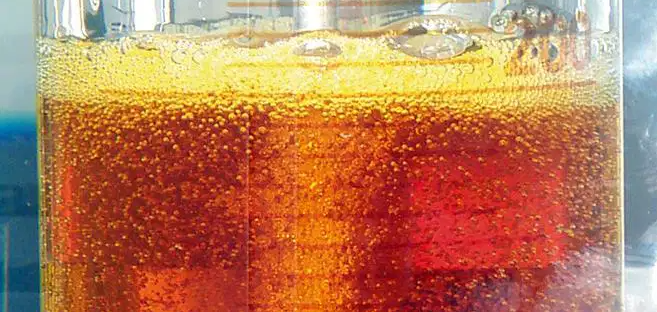
Hydraulic oil foaming refers to the formation of froth or air bubbles in the hydraulic fluid. When you observe the oil in a reservoir or through a sight glass and see a cappuccino-like froth or lots of tiny air bubbles, that oil is foaming. Foam typically occurs when air is introduced or trapped in the oil and fails to escape. While a small amount of dissolved air in oil is normal (mineral hydraulic oils can dissolve roughly 8–12% of their volume in air under atmospheric pressure), problems arise when that air comes out of solution as bubbles faster than it can be released. The result is a foam that can fill the reservoir, overflow, or impair the system’s function. In summary, foaming is air contamination in the oil manifesting as bubbles, and it needs to be controlled for the system to operate properly.
Why Does Hydraulic Oil Foam?
There are several common causes of hydraulic oil foaming, often related to both the fluid’s condition and the system’s operating parameters:
Mechanical Agitation and Air Entrainment: Hydraulic systems circulate oil at high flow rates. Mechanical agitation (for example, oil returning to the tank splashing or being churned by moving parts) can mix air into the fluid. If there are any small leaks on the pump suction side or fittings, air can be sucked into the system (air ingress), compounding the problem. Turbulence and agitation cause air to form bubbles in the oil. In particular, if the reservoir oil level is either too low (causing vortexing and air draw-down) or sometimes too high (causing excessive churn and lack of proper de-aeration space), foaming can worsen.
Dissolved Air Release Due to Pressure Drop: Hydraulic oil under pressure can hold more dissolved air. When high-pressure oil suddenly returns to low pressure (for instance, when fluid flows from a high-pressure line back to tank through valves), the dissolved air is released as bubbles (similar to opening a pressurized soda bottle). Sudden pressure drops or pressure fluctuations in the system will cause air that was dissolved in the oil to come out of solution rapidly, forming foam. The greater the pressure change, the more vigorous the bubbling. Systems that experience frequent and rapid decompression (for example, certain fast-acting valves or relief valves opening) are prone to foaming issues.
Depleted or Insufficient Anti-Foam Additives: Quality hydraulic oils contain anti-foaming additives that help break up bubbles. Over time, or with excessive use, these chemical additives can be consumed or become less effective. The original Chinese article noted that when a hydraulic oil has been in service for a long time, its additive package (including anti-foam agents) may wear out or degrade. In such cases, even if the oil is clean and dry, it may start foaming because it no longer has the chemical means to suppress foam. Using a low-quality oil that lacks proper anti-foam additives can also lead to persistent foaming.
Contamination and Oil Composition: The presence of certain contaminants or improper oil mixtures can increase foaming tendency. For example, water contamination or mixing of incompatible fluids can change the oil’s surface tension or create substances (like soaps or emulsions) that stabilize bubbles. The Chinese technical analysis pointed out that if an acidic rust inhibitor additive (common in some oils) is contaminated by a strong alkaline substance, it can produce soap-like compounds that make foam more stable. Likewise, any polar compounds or impurities in the oil can stabilize foam, preventing bubbles from breaking. This means the foam doesn’t collapse quickly, and air stays trapped longer in the fluid.
Temperature and Viscosity Effects: Temperature plays a role in foaming as well. At low operating temperatures (such as during cold start-ups in winter or in frigid climates like Russia), the oil’s viscosity is higher and bubbles tend to persist because the oil is thicker and the surface tension is higher – foam is "not easy to break" when cold. This is why you might notice more foaming when starting equipment on a cold morning. On the other hand, extremely high temperatures can accelerate oil oxidation and degrade additives, which may increase foaming in the long run by producing degradation byproducts (though high heat initially lowers oil viscosity, which might help bubbles escape, it has the adverse effect of aging the oil faster). Maintaining oil at its proper operating temperature range is important to minimize foaming and to preserve the additive integrity.
By recognizing these causes, maintenance engineers can pinpoint why a particular hydraulic system is foaming. Often, it’s a combination of factors – for instance, air ingress plus aged oil can together create a severe foaming issue.
Effects of Foamy Hydraulic Oil on System Performance
Allowing hydraulic oil to foam is not merely a cosmetic issue; it has serious consequences for hydraulic system performance and component longevity. Key problems caused by foaming include:
Spongy, Slow, or Erratic Operation: When oil is filled with air bubbles, it becomes more compressible. Unlike pure liquid, a foam-oil mixture will compress under pressure. This leads to sluggish response in actuators and hydraulic valves, as the intended force or motion is partially absorbed by compressing the bubbles. You may notice delays or a "spongy" feeling in controls. Precision and accuracy of the system drop, which can even cause control systems to malfunction or trip faults due to inconsistent feedback. For example, servo valves or flow control valves may struggle to maintain stable flow rates if the fluid is compressible, leading to oscillations or hunting. In extreme cases, a foamy system might fail to hold pressure or position, as the air expands and contracts unpredictably.
Cavitation and Damage to Pumps and Motors: Foaming often goes hand-in-hand with air entrainment, which can cause cavitation in pumps and hydraulic gear motors. Cavitation is the formation and collapse of vapor bubbles, and when air is present, it can collapse violently against metal surfaces. This results in pitting and erosion of pump impellers, gears, and other components. A foamy oil can thus directly contribute to premature wear or even catastrophic failure of pumps and motors. You might hear a loud knocking or rattling noise (caused by imploding bubbles) in a foaming system – that’s a warning sign of cavitation damage occurring. Gear motors may lose efficiency or torque as foam reduces the fluid’s ability to transmit power smoothly.
Overheating and Reduced Lubrication: A layer of foam in the reservoir can reduce the oil’s ability to dissipate heat (foam is an insulator and also reduces the effective oil volume in contact with cooler surfaces). This can lead to higher operating temperatures. Moreover, if critical components like pump pistons or motor gears are surrounded by foam instead of solid oil, the lubrication film can break down. Metal-to-metal contact may occur more frequently, causing additional heat and wear. Over time, this accelerates degradation of the oil (heat + oxygen = faster oxidation).
Increased Noise and Vibration: As mentioned, compressed air bubbles can lead to sudden expansions and contractions in the hydraulic lines. When the system pressure drops, entrained air bubbles rapidly expand, sometimes explosively. This not only causes vibration and noise (a chattering or banging sound), but it can also shock the system, stressing hoses, seals, and structure. The overall operation becomes noisier and less smooth. Excess noise is not just a nuisance; in hydraulics, noise often correlates with component stress or impending failure.
Reduced System Efficiency and Power Loss: Foamy oil lowers the hydraulic system’s efficiency. Air in the oil means less force is transmitted for a given pump output because some energy is going into compressing the air rather than moving actuators. The power delivery becomes inconsistent. In lifting or pressing applications, you might observe a loss of force. In hydraulic motors, you might see a drop in rotational speed or torque under load. The overall performance of the machine degrades, and it consumes more energy (since pumps may have to work harder or longer to achieve the same work, due to the compressibility and reduced volumetric efficiency).
Accelerated Oxidation and Oil Degradation: The presence of excess air (which contains oxygen) in the oil, especially combined with higher temperatures from the issues above, will speed up the oxidation of the oil. Oxidation chemically breaks down the oil, forming acids and sludge. Foaming thus indirectly leads to varnish, sludge, and sediment formation in the oil over time. These deposits can clog filters and valves, and the acidic components corrode internal surfaces. Corrosion and wear of components (valve spools, pump swash plates, etc.) are accelerated. The oil’s useful life shortens significantly, meaning you’ll have to replace the fluid more often if foaming persists.
In summary, a foaming hydraulic oil can cripple a hydraulic system’s reliability. It can cause everything from minor inefficiencies to major mechanical failures. That’s why preventing and mitigating foam is an important aspect of hydraulic system maintenance.
How to Prevent and Reduce Hydraulic Oil Foaming
Preventing hydraulic oil from foaming involves both proper fluid selection/maintenance and good system practices. If foaming has already occurred, there are also ways to remedy it. Here are several strategies and solutions to minimize foaming:
Use the Right Hydraulic Oil: Always use a high-quality hydraulic oil that is formulated with anti-foam (anti-foaming) additives and has good air release properties. Check the oil specifications for terms like “good air release” or “foam resistant”. Oils with the correct viscosity grade for your system are important – excessively viscous oil can trap air longer, so use the viscosity recommended by the equipment manufacturer. Also, oils made from well-refined base stocks (deep refined mineral oil or synthetic oil) tend to release air more quickly. In practice, this means sourcing oil from reputable brands and ensuring it meets the needed ISO VG grade and performance standards for your hydraulic equipment. High-quality oil will both resist foaming and allow entrained air to escape quickly.
Maintain Oil Additives and Schedule Oil Changes: Since anti-foam additives can deplete over time, it’s important to monitor oil condition and replace or replenish the oil at proper intervals. If you have been using the oil for a long time and notice foaming, it may be a sign that the additive package is worn out. The simplest solution is often to perform an oil change (after addressing any mechanical issues) so you have fresh oil with a robust additive package. In critical systems, oil analysis can be performed to check additive levels and contamination. If the oil is otherwise in good condition, anti-foam additive concentrates are available which can be added to the fluid – but always follow manufacturer guidelines for type and dosage if you go this route. Regular maintenance and timely oil changes will ensure that the oil retains its foam suppression ability.
Minimize Air Entry and Agitation: Prevention is better than cure – stop foam from forming in the first place by reducing the opportunities for air to mix with the oil. Inspect and fix any leaks on the pump suction line or fittings that could draw air into the system. Ensure hose clamps and connectors on the intake side are tight and in good condition. Maintain the reservoir oil level in the recommended range so that returning oil has a chance to slow down and let air escape before being drawn back into the pump. Some systems use deflectors or diffusers on return lines – make sure these are in place to dissipate energy of returning oil and avoid direct splashing. If your hydraulic reservoir is poorly designed (for example, return oil dumps right near the pump suction), consider modifications or baffles to separate incoming fluid from the suction area. By reducing turbulence and ingress of air, you tackle the root mechanical causes of foaming.
Avoid Contamination and Incompatible Mixtures: Keep the hydraulic oil clean and dry. Use proper breather filters on reservoirs to reduce moisture ingress and particles. Avoid mixing different brands or types of oil, as additive packages might not be compatible and could form foaming byproducts. If there is a risk of chemical contamination (for example, if the system might get water or other chemicals in it, or if someone might add the wrong fluid), take preventive measures: label fill ports clearly and educate staff on using the correct oil. As noted earlier, certain additive reactions can create stable foam — for instance, oils containing acidic rust inhibitors can react with alkaline contaminants to produce soap. To prevent this, either use neutral/passivated additives or ensure that no such contaminants contact the oil. In practice, this means be careful with cleaning agents or coolant ingress in hydraulic systems, as they could cause foaming issues if not compatible.
Use Anti-Foam Additives (Defoamers) Wisely: If foaming persists, one direct solution is to add an anti-foam additive to the oil. The most commonly used defoamer in hydraulic fluids is dimethyl silicone oil (a silicon-based additive). Silicone anti-foam agents are extremely effective at rapidly collapsing foam. They work by concentrating at the air-oil interface and destabilizing bubble walls, causing bubbles to burst. Only a very small concentration (a few parts per million) of silicone oil is needed to eliminate foam. However, there is a critical trade-off: silicone additives tend to reduce the oil’s air releaseability. In other words, while they break existing foam, they can make it harder for dissolved air to escape the oil because the silicone can impede the coalescence and rise of small air bubbles. Moreover, silicone is not soluble in oil; if added excessively it can form its own separate phase or get filtered out, losing effectiveness over time. The key is to use just enough defoamer to control foam, and no more. Always follow the dosage recommendations (usually very low, e.g., 10–50 ppm). You might need to pre-dilute a silicone additive in a small amount of oil and mix thoroughly to disperse it well – proper dispersal (achieving tiny silicone droplets under 100 microns, ideally down to a few microns) is crucial for it to work consistently.
Consider Non-Silicone Defoamers: In cases where air release is critically important (for example, very high-speed hydraulic systems or precision servo systems), you might opt for non-silicone anti-foam additives. Certain organic polymers (like polyacrylate-based defoamers) can be used to suppress foam with less impact on air release performance. In the Chinese research, two such additives (referred to as T911 and T912) were compared: T911 has a smaller molecular weight and worked well in heavier oils but not as well in light oils, whereas T912 has a larger molecular structure that provides good foam suppression in both light and heavy oils. These non-silicone defoamers tend to have a more gradual effect on air release (the more you add, the more they slow air release, but in a relatively linear way). They are also generally compatible with other additive components, except certain specific combinations (for instance, T912/T911 were noted to not play well with a few particular anti-rust and detergent additives, leading to poor performance if mixed). The bottom line: if you choose a non-silicone defoamer, consult with your oil or additive supplier to ensure compatibility with your oil’s formulation, and add them in recommended amounts. Non-silicone additives can be a good alternative when silicone is causing too much of a drop in air release efficiency.
Optimize Oil Formulation for Air Release: If you have the ability to choose or change oil types, select oils that have both good anti-foam characteristics and good air release rates. These properties are sometimes in tension with each other – for example, as mentioned, a strong defoamer can worsen air separation. Oil manufacturers often design hydraulic oils to balance these needs. Oils that use non-silicone anti-foam additives or special formulations can achieve an optimal balance. Additionally, oils made from deeply refined base stocks (with fewer impurities like aromatics, sulfur, or nitrogen compounds) inherently allow air to escape faster. If foaming is a chronic issue in your system, talk with your lubricant supplier about switching to a different hydraulic oil that is known for quick air release. Sometimes something as simple as moving from an ISO VG46 oil to a VG32 oil in a cold climate (to reduce viscosity at operating condition) can make a big difference in foam and air release performance – of course, only do this if the machinery can operate safely with that viscosity.
In practice, solving a foaming issue may require a combination of the above approaches. For example, you might fix a suction leak and change the oil to a better grade simultaneously. Once corrected, you should observe the foam reducing: the oil in the sight glass should go from opaque/foamy to clear, and any foam on the reservoir surface should dissipate within a few minutes of shutdown (good air release property). The system will run quieter, components like hydraulic valves will respond crisply again, and overall performance will improve.
By proactively managing both the mechanical and chemical factors, you can prevent hydraulic oil foaming, ensuring your hydraulic pumps, gear motors, valves, and cylinders operate smoothly. This not only avoids downtime but also extends the life of your hydraulic equipment.
FAQ
Q: What are the main causes of hydraulic oil foaming and how do I troubleshoot them?
A: Hydraulic oil foaming is usually caused by air mixing with the fluid due to agitation or leaks, dissolved air being released under pressure drops, or issues with the oil’s condition (like depleted anti-foam additives or contamination). To troubleshoot, first check for air entry points – ensure no suction line leaks or loose fittings are introducing air. Next, verify the oil level and that the return lines are designed to minimize turbulence (adjust if necessary). Examine the oil itself: if it’s old or of poor quality, consider replacing it with a fresh, high-quality oil that has good anti-foam properties. Also, look for contaminants (water, other fluids) and clean the system if needed. By methodically addressing these areas, you can usually identify the cause of foaming and take corrective action.
Q: Can foamy hydraulic oil damage components like hydraulic valves or gear motors?
A: Yes, foaming can absolutely harm hydraulic components. When oil is full of air bubbles, it loses its incompressibility, causing hydraulic valves to respond sluggishly or inconsistently, which in turn can make actuators jerk or drift. For hydraulic gear motors and pumps, foamy oil often leads to cavitation – tiny bubble implosions that can pit and erode metal surfaces. Over time, this can significantly wear out the motor’s gears or the pump’s vanes and impellers. Additionally, foaming reduces lubrication quality; critical parts may not get sufficient oil film, leading to increased friction and heat. All these effects mean that if you let foaming persist, you’ll likely face faster wear and tear, higher noise, and potentially early failure of valves, motors, or other hydraulic components.
Q: Is hydraulic oil foaming more common in cold climates like Russia or hot, humid regions?
A: Climate and temperature do influence foaming. In very cold climates (for example, Russian winters or any region with subzero temperatures), foaming can be more pronounced during machine start-up. Cold oil is thicker (higher viscosity), which makes it harder for bubbles to rise and break. As a result, foam that forms doesn’t dissipate quickly, and you might see more foam until the oil warms up. Using a proper viscosity grade (or heaters) for cold climates helps mitigate this. In hot and humid regions (including many Spanish-speaking countries in tropical or subtropical zones), high temperatures by themselves can reduce foaming initially (since warm oil is thinner), but heat and humidity can introduce other issues: heat accelerates oxidation and additive degradation in oil, which over time can increase the oil’s tendency to foam as its quality drops. Humidity can lead to more moisture ingress, and water contamination can cause or worsen foaming. So, while the immediate appearance of foam might be less in a hot climate, long-term maintenance is crucial – keeping the oil cool, dry, and refreshed – to prevent foaming issues.
Q: How do anti-foam additives work, and should I add them to my hydraulic system?
A: Anti-foam additives (defoamers) work by reducing the stability of air bubbles in oil. The most common type, silicone-based defoamer, spreads on bubble surfaces and causes them to rupture more easily, thus quickly collapsing foam. Non-silicone types (like certain polymer additives) can also be used; they often work by a similar principle of destabilizing bubble walls or changing surface tension. Whether you should add them depends: if you are using a quality hydraulic oil, it likely already contains an anti-foam agent in the right amount. Adding more on your own is generally not needed unless a specific problem is identified. In fact, adding too much defoamer can have side effects – especially silicone types, which can hinder the oil’s ability to release air. It’s usually better to address the root cause of foaming (air leaks, old oil, contamination) than to rely on after-market additives. If you do decide to use an anti-foam additive, use one recommended by the oil or equipment manufacturer and follow dosing instructions carefully (usually only a very small amount is required). And remember to monitor the system – if foaming reduces but other issues (like slower air release or filter problems) appear, you may need to adjust the approach.
Q: What steps can industrial hydraulic operations in Belt and Road regions take to avoid oil foaming issues?
A: Industries along the Belt and Road Initiative span many different countries, including Russian-speaking areas and Spanish-speaking regions, each with their own climate and operational challenges. However, the steps to avoid hydraulic oil foaming are universally applicable: Use quality hydraulic fluids suited to your climate (for instance, oils with appropriate viscosity index for extreme temperatures). Train maintenance personnel to watch for early signs of foaming and air leaks. Ensure a good preventive maintenance schedule – regular oil changes, filter replacements, and inspection of tank breathers and seals. In regions with higher dust or humidity (e.g., parts of Central Asia or Latin America), extra care should be taken to keep the oil clean and dry by using proper filtration and breathers with desiccants. If you source equipment or oil from international suppliers, work with those who understand local conditions (some suppliers offer formulations adapted to cold Siberian winters or, conversely, to tropical environments). Ultimately, by combining proper product selection (valves, pumps, and motors that are well-designed with foaming in mind) and rigorous maintenance practices, BRI-region companies can significantly reduce hydraulic oil foaming troubles and ensure smooth operation of their machinery.


