The real reason behind hydraulic motor drain ports, pump leakage paths, and case pressure protection
In hydraulic system installation and maintenance, one small port is often misunderstood: the case drain port. Many technicians ask the same question: why do hydraulic motors usually require an independent drain line, while many hydraulic pumps do not seem to have one?
A common but incorrect answer is: “Hydraulic motors leak internally, but hydraulic pumps do not.”
That is not true.
Both hydraulic pumps and hydraulic motors generate internal leakage. In some cases, the leakage volume inside a pump can be just as significant as that inside a motor. The real difference is not whether leakage exists, but where that leakage can safely go.
Understanding this difference is critical. A wrong case drain connection can lead to shaft seal failure, bearing damage, overheating, efficiency loss, or even complete hydraulic motor failure.
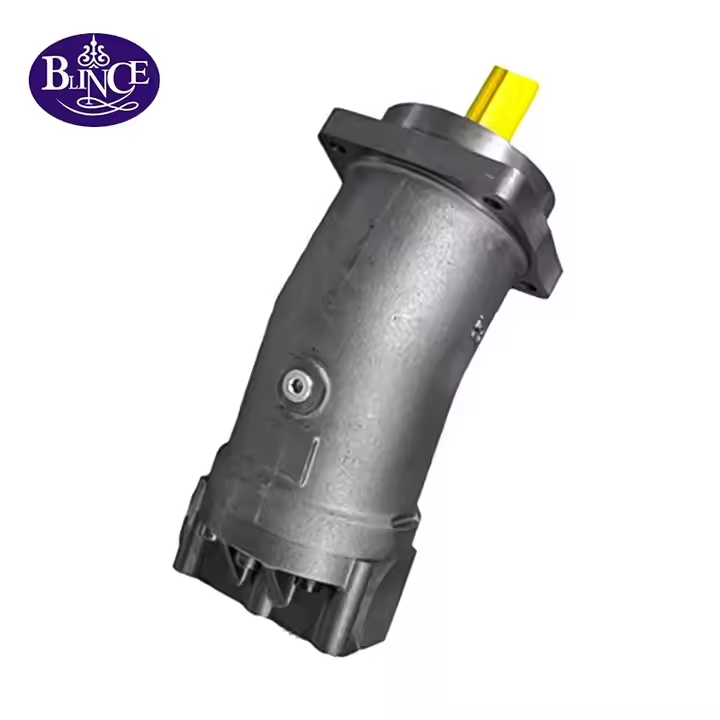
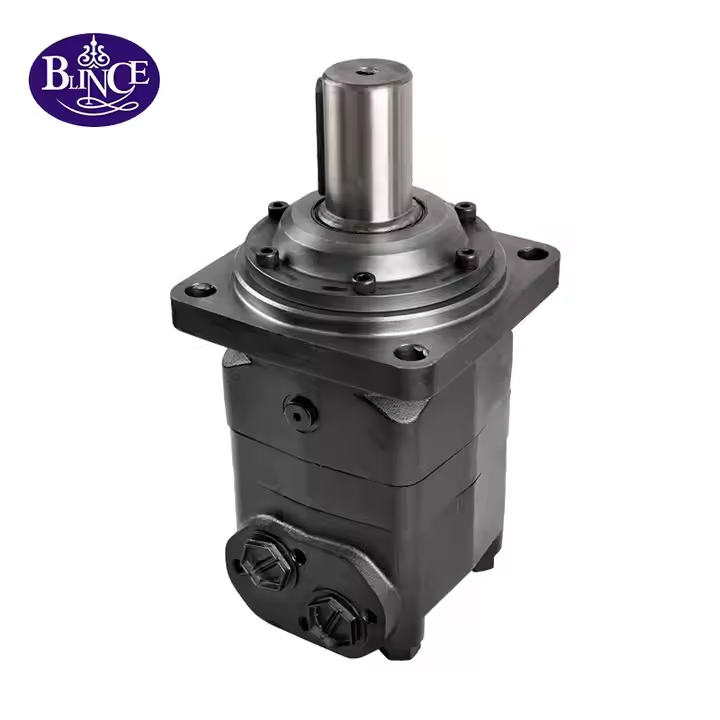
Blince Hydraulic provides a wide range of hydraulic motors, including orbital motors, radial piston motors, axial piston motors, brake motors, and travel motors for construction machinery, agricultural machinery, and industrial equipment.
What Is a Case Drain Port in a Hydraulic System?
A case drain port is not designed to “discharge waste oil.” Its real function is to protect the hydraulic component housing from excessive internal pressure.
In any hydraulic pump or hydraulic motor, perfect sealing is impossible. High-pressure oil will pass through tiny internal clearances, such as:
the clearance between pistons and cylinder blocks;
the gap between gears and pump housings;
the clearance between vanes and rotors;
internal distribution and sealing surfaces.
This internal leakage enters the component housing. If it cannot be discharged safely, oil will accumulate inside the housing and case pressure will rise rapidly.
Excessive case pressure can cause three serious problems.
1. Shaft Seal Failure
This is the most common failure caused by incorrect case drain installation. Many standard shaft seals can only withstand limited pressure. Once case pressure rises beyond the seal’s capacity, the seal may be pushed out or damaged, causing serious oil leakage.
2. Bearing Damage
High housing pressure can disturb bearing lubrication and increase axial load. Over time, this may cause bearing overheating, cage damage, abnormal noise, or complete bearing failure.
3. Efficiency Loss and Overheating
When case pressure increases, it creates resistance inside the component. This reduces volumetric efficiency, increases internal friction, raises oil temperature, and shortens the service life of the hydraulic component.
Therefore, the purpose of the case drain port is simple: to return internal leakage oil to the tank at very low pressure.
For more technical background on hydraulic motor structure and working principles, you can also read Blince’s hydraulic motor technical articles
Why Must Hydraulic Motors Have an Independent Case Drain Line?
A hydraulic motor is an actuator. Its job is to convert hydraulic pressure and flow into rotating mechanical power. Because of this working principle, the return port of a hydraulic motor is not always low pressure.
This is the key difference.
Whether it is a compact hydraulic orbital motor, a high-torque radial piston motor, an axial piston motor, or a brake motor, a hydraulic motor may face two important working conditions.
1. The Motor Return Line Often Has Back Pressure
When a hydraulic motor drives a load, the outlet side may have return pressure. This pressure can come from pipe resistance, valves, coolers, filters, or intentional back pressure used to improve motion control.
In many mobile hydraulic systems, the return pressure may reach 1–3 MPa or even higher.
If the motor’s case drain port is connected to the return line, this back pressure may enter the motor housing directly. Once that happens, case pressure rises quickly and the shaft seal may fail.
2. A Hydraulic Motor Can Be Driven by the Load
In some applications, the load can drive the motor instead of the motor driving the load. For example:
a road roller moving downhill;
an excavator swing system during braking;
a winch or travel drive under overrunning load;
a rotating mechanism with high inertia.
In this condition, the hydraulic motor may temporarily behave like a pump. The original return port may become a high-pressure port.
If the case drain is connected to this line, high-pressure oil can flow directly into the motor housing. The result can be immediate shaft seal failure, oil leakage, bearing damage, or motor breakdown.
That is why hydraulic motors require an independent case drain line. The drain line must return directly to the tank with minimal back pressure.
Why Do Many Hydraulic Pumps Not Need an External Drain Port?
A hydraulic pump is a power component. It converts mechanical energy from an engine or electric motor into hydraulic pressure and flow.
Unlike a motor, the pump inlet is normally a low-pressure or even slightly negative-pressure area. This gives many pumps a natural advantage: internal leakage oil can be returned internally to the suction side.
Inside the pump, engineers often create a small internal passage between the housing area and the suction chamber. Leakage oil inside the pump housing flows back to the low-pressure inlet side and is drawn into the system again.
Because the pump inlet is much lower in pressure than the outlet, this internal drain design keeps housing pressure low without requiring an external case drain port.
This is why many hydraulic pumps do not appear to have a separate drain port. The drain path is already built inside the pump.
Important: Not All Hydraulic Pumps Are Without Case Drain Ports
The idea that “hydraulic pumps do not need drain ports” is only partially correct.
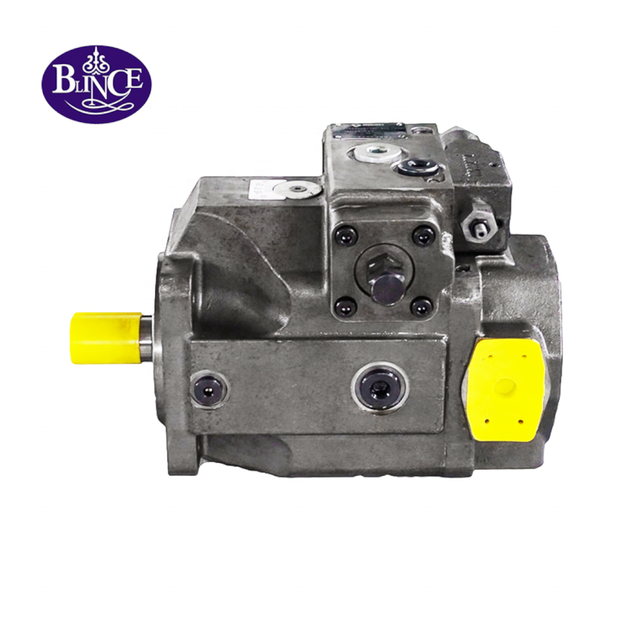
In high-pressure and high-power hydraulic systems, many pumps must have an external case drain port. The most common example is the variable displacement piston pump.
Variable piston pumps often operate under high pressure, and their internal leakage can be much greater than that of simple fixed-displacement pumps. In addition, the variable displacement control mechanism itself may generate leakage oil.
If all this leakage oil is returned directly to the suction port, several problems may occur:
suction oil temperature may rise;
cavitation risk may increase;
pump inlet resistance may become higher;
pump self-priming performance may decrease;
displacement control may become unstable.
For this reason, many high-pressure variable piston pumps, high-speed pumps, tandem pumps, and special-purpose hydraulic pumps are equipped with an external drain port.
In this case, the pump drain line should be installed in a similar way to a hydraulic motor drain line: directly back to the tank with low resistance and low back pressure.
Common Case Drain Installation Mistakes
Case drain problems are among the most common causes of hydraulic motor failure. The following mistakes should be avoided.
Mistake 1: Connecting the Motor Case Drain to the Return Line
This is one of the most dangerous mistakes.
Some technicians think: “Both lines return oil to the tank, so connecting them together should be fine.”
In reality, the return line may have pressure. Once return pressure enters the motor housing, the shaft seal may fail quickly. Replacing the seal will not solve the problem if the drain line is still connected incorrectly.
For example, compact motors such as the Blince OMM Series Hydraulic Orbit Motor are designed with reliable shaft sealing and compact construction, but the drain connection must still follow correct hydraulic system rules. The OMM product page also highlights its compact design, integrated stator-rotor structure, and high-pressure shaft seal features.
Mistake 2: Blocking the Pump Drain Port
Some variable piston pumps have small or hidden drain ports. During installation, the port may be ignored or accidentally blocked.
If the drain port is blocked, pressure inside the pump housing can rise quickly. This can push out the shaft seal, create heavy oil leakage, and cause serious safety risks.
Mistake 3: Using a Drain Line That Is Too Small or Too Long
Even if the drain line is connected to the tank, poor piping design can still create back pressure. A drain line that is too narrow, too long, or full of sharp bends may restrict oil flow.
Case drain lines must be sized properly to keep housing pressure as low as possible.
Correct Case Drain Installation Guidelines
For hydraulic motors and pumps with external drain ports, follow these basic rules:
The case drain line should return directly to the hydraulic tank.
Do not connect the motor drain line to the main return line.
Do not install valves or restrictive filters in the case drain line.
Keep the drain line short and large enough to reduce back pressure.
Avoid connecting multiple motor drain ports in series.
Make sure the drain line does not create siphoning or pressure fluctuation problems.
Always follow the manufacturer’s installation manual.
These details may seem small, but they directly affect the reliability of the complete hydraulic system.
Conclusion
A case drain port may look like a small detail, but it plays a critical role in hydraulic system safety and reliability.
Hydraulic motors require independent drain lines because their return ports may have back pressure or may even become high-pressure ports under overrunning load conditions. Many hydraulic pumps do not show an external drain port because their internal leakage can often return to the low-pressure suction side. However, high-pressure variable piston pumps and special-purpose pumps may still require external case drain lines.
A hydraulic motor drain port protects the motor housing from return-line pressure. A pump drain path usually depends on suction-side pressure. The wrong drain connection can destroy seals, bearings, and the entire hydraulic component.
Understanding this basic principle helps reduce failures, extend equipment service life, and improve the reliability of hydraulic systems.