When you turn off a hydraulic system, you might expect every moving part—especially the hydraulic motor—to stop immediately. However, many operators notice that a hydraulic motor sometimes continues spinning for a short time after shutdown. Is this normal or a sign of trouble? In this article, we’ll explore the reasons a hydraulic motor might keep rotating after being turned off, distinguishing normal residual-motion causes from potential system faults. We’ll also discuss which hydraulic components (motors, pumps, valves, etc.) play key roles in this behavior, and how to ensure your system is safe and efficient.
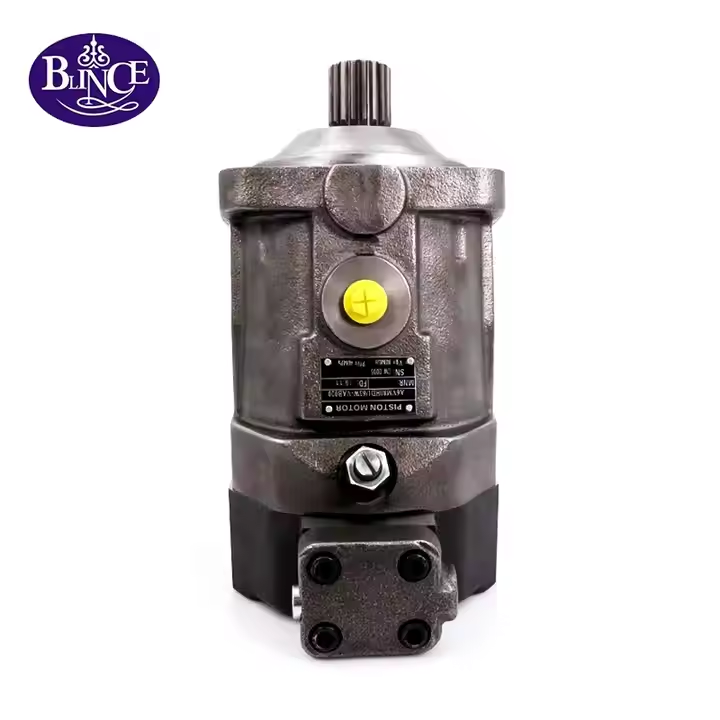
Understanding Post-Shutdown Motor Rotation (Normal vs. Faulty)
A bit of after-rotation in hydraulic motors can be perfectly normal, caused by factors like inertia (momentum of moving parts) or residual fluid pressure. In other cases, continued motion may indicate a hydraulic system issue that needs attention. It’s important to tell the difference:
Normal Residual Rotation: Often brief and smooth, caused by leftover pressure or the motor coasting under momentum.
Abnormal Rotation (System Fault): Prolonged or uncontrolled spinning, possibly due to leaks or faulty valves, which can be dangerous and cause performance problems.
Understanding why this happens and which hydraulic components are involved (such as hydraulic valves that control flow, or counterbalance valves that prevent runaway motion) will help in diagnosing the situation. Let’s dive into both scenarios in detail.
Normal Causes: Inertia and Residual Pressure in Hydraulic Motors
After shutting down a hydraulic pump or closing a control valve, a motor may continue to spin momentarily due to the physics of the system:
Rotational Inertia: A hydraulic motor connected to moving machinery (like a heavy fan, flywheel, or drive wheel) stores kinetic energy. When power is cut, the heavy load can keep the motor turning by inertia, effectively turning the motor into a pump as it winds down. For example, if a motor was driving a cutter or mixer, the blades’ momentum will continue to rotate the motor shaft briefly. This inertial rotation is usually harmless and decays as friction and fluid resistance slow the motor.
Residual Hydraulic Pressure: Hydraulic fluid under pressure doesn’t instantly depressurize when the pump stops. Residual pressure in lines can push the motor a bit further. Also, if an accumulator or spring in the circuit releases stored energy, it can feed a small amount of oil that keeps the motor turning for a second or two. Many hydraulic systems are designed to manage this: for instance, some directional control valves have a “deceleration” feature or metering notches that let return oil flow in a controlled way, cushioning the stop. In a travel motor on machinery, when flow to the motor is cut, the spool valve might close slowly to let the motor coast to a smooth stop. This prevents sudden jolts or pressure spikes.
Anti-Cavitation / Bypass Paths: If the motor tries to coast, it will start acting like a pump. Without a path for fluid, this could cause cavitation (vacuum bubbles) or a hard stop. Hydraulic check valves or bypass valves often allow a small amount of fluid to circulate or be drawn from the tank when the motor freewheels. Some motors or circuits include cross-port relief valves specifically for this purpose – when the motor spins down, these valves open momentarily to recirculate oil from the high-pressure side to the low-pressure side, slowing the motor gently. This is a normal design feature in many hydraulic motor circuits (for example, in winches or wheel drives) to prevent damage.
How to recognize normal behavior: A normal post-shutdown spin will usually last only a brief time (a few seconds or less) and stop gradually. The motor’s deceleration is smooth, without loud bangs or jumps. If your system has a free-spool or float setting (where the directional control valve connects motor ports to tank in neutral), the motor might freewheel more easily – this is by design for applications that need a gentle coast-down. In general, if the motor slows to a halt on its own fairly quickly, it’s likely just inertia and residual pressure at work.
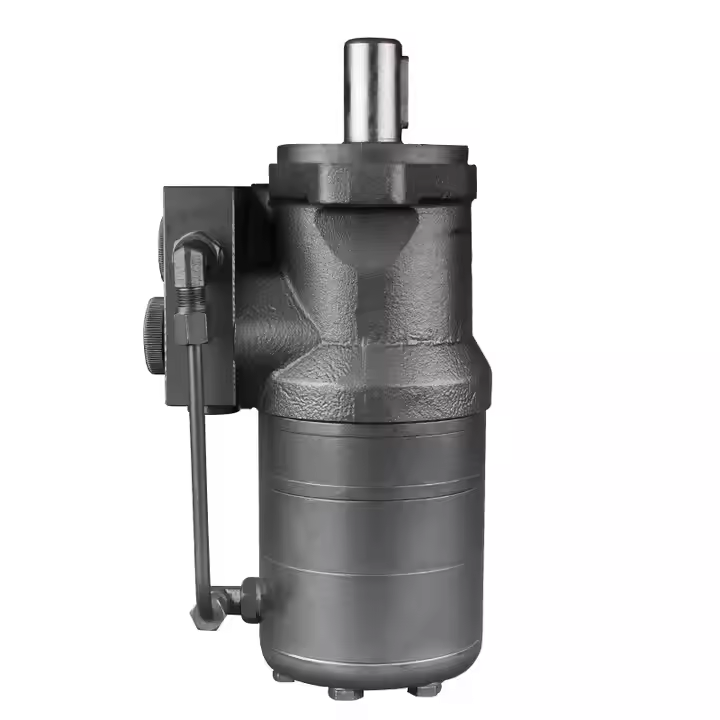
Abnormal Causes: Faults That Cause Continued Motor Rotation
On the other hand, a hydraulic motor that keeps turning longer than it should (or drives a load when it’s supposed to hold still) could signal a problem in the system. Here are common fault-related causes:
External or Internal Leakage: If the motor is still rotating slowly after the supply is cut off, it often means oil is leaking through some path, bypassing what should be a closed circuit. For instance, a worn directional control valve might not fully block flow in neutral, allowing fluid to seep past and turn the motor. Similarly, if a check valve that’s meant to hold a load (prevent backflow) is leaking or stuck open, a heavy load connected to the motor can force fluid backwards through the motor, causing it to turn when it shouldn’t. In theory, stopping flow to a hydraulic motor should lock it in place; if it still creeps, seal leakage is likely.
Overrunning Load without a Counterbalance: In applications like cranes, lifts, or vehicle drives, a gravity or momentum-driven load can convert the motor into a pump if not properly countered. If your system lacks a counterbalance valve / overcenter valve (a special brake valve) or if that valve is set incorrectly, an overrunning load (like a heavy boom or a vehicle on a slope) can make the motor turn on its own. The motor will “back-drive,” potentially causing a platform to drop or a machine to roll. This is dangerous and not normal – the motor should hold position, but instead it’s rotating because the hydraulic circuit isn’t holding pressure. A proper counterbalance valve maintains a back-pressure to hold the load and prevents this runaway condition. If your hydraulic motor is driving wheels or a winch, for example, and it slowly moves after shutdown (vehicle creeping, load unwinding), that indicates the braking or holding valve isn’t effective.
Faulty Brake or Lock Mechanism: Many hydraulic motors (especially in mobile equipment) have a mechanical brake or a hydraulic lock valve. A spring-applied brake or a hydraulic lock is supposed to engage when pressure is lost (i.e., when you shut down) to prevent any movement. If that brake is worn out or not engaging, the motor is free to spin when it shouldn’t. This may show up as the motor continuing to turn or a load drifting. Unlike the brief inertia spin, a failed brake might let the motor spin until an external force stops it (for example, a crane boom might lower all the way down under its weight).
Valve Stuck Open or Incorrect Neutral: If the directional valve controlling the motor is damaged or misadjusted such that it doesn’t return to the neutral (closed) position, one of the motor ports might still be unintentionally open to the pump or tank. This can create a path for fluid that keeps the motor turning. For instance, a bit of debris or a worn spool valve could prevent a tight seal in neutral, so the motor doesn’t completely stop. If accompanied by abnormal noise or the motor spinning faster than a gentle coast, an improperly closing valve could be the culprit.
Signs of abnormal behavior: The key sign is that the motor does not come to rest in a reasonable time or continues moving a load. If you notice, for example, a hydraulic cylinder drifting or a motor creeping minutes after shutdown, that’s likely a leak issue. In motors, an extended slow rotation (especially under load) is a red flag. You might also hear hissing (fluid leak) or see the connected machinery moving when it should be stationary (e.g., a conveyor still inching forward). Abnormal rotation due to faults tends to persist until pressure equalizes or a physical stop is reached, and it may be accompanied by loss of performance (since the system can’t hold pressure). In short, if the motor “freewheels” too freely or a heavy load doesn’t stay put, something in the hydraulic system isn’t doing its job.
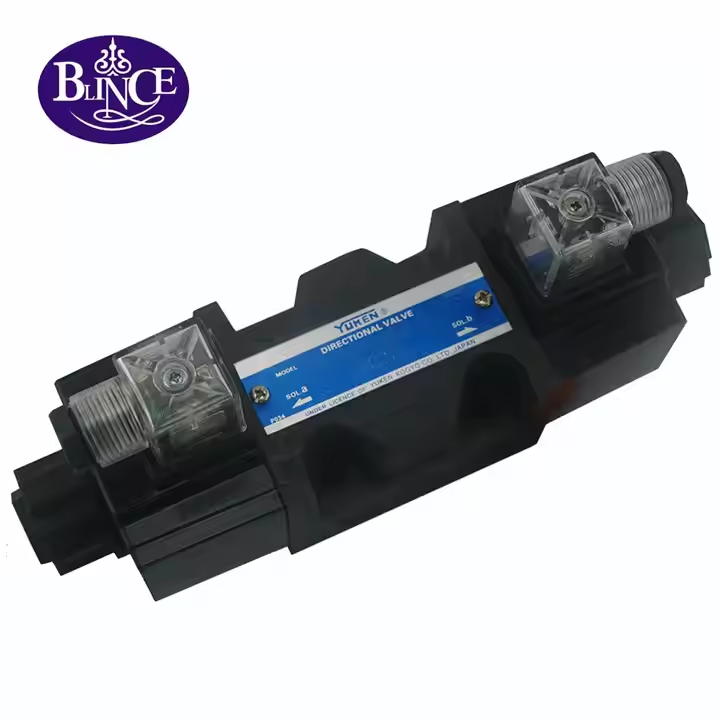
Distinguishing Normal Coasting vs. a Problem
It’s critical for safety and maintenance to differentiate a harmless coasting motor from a malfunction. Use this checklist to evaluate the situation:
Duration of Spin: A brief, gentle coast (seconds) is usually normal. If the motor keeps going significantly longer, or indefinitely, suspect a leak or fault.
Load Movement: If no load is attached (or the load is balanced), inertia might spin the motor a bit. But if you see a load (like an elevated platform or a vehicle) moving or dropping due to motor rotation after shutdown, that’s abnormal – the load should hold steady.
System Design: Consider your circuit’s design. Does the control valve have a float center or open center for the motor? Is an overcenter (counterbalance) valve installed for holding load? Knowing this, you can predict behavior. An open-center circuit will allow more free spin (normal by design), whereas a closed-center circuit should lock the motor (so any movement means a leak).
Sound and Shock: Listen and feel the system. A normal coast-down is usually quiet, or with just the sound of decelerating machinery. Faulty conditions might produce chatter or a relief valve squeal if fluid is sneaking through a gap. Also, repeated occurrences of hydraulic shock (pressure spikes) when stopping the motor could indicate missing cross-port reliefs or dampers – a design issue that can cause damage.
Restart Effects: When you power the system back on, does the motor immediately respond normally or does it jerk due to pressure imbalances? A motor that had been free-spinning due to a leak might cause a jolt on restart as pressures re-stabilize. This can help pinpoint if a valve was leaking (you’ll often notice a lag or jump in motion on reactivation).
By observing these factors, you can determine if the post-shutdown rotation was an expected residual motion or if you need to investigate a potential fault in the hydraulic motor circuit. Always err on the side of caution: if you’re unsure, treat it as a potential problem and inspect the system.
Solutions and Preventive Measures for Unwanted Motor Rotation
If you suspect that your hydraulic motor’s continued rotation is due to a system issue, consider the following solutions and best practices:
Install or Adjust Counterbalance Valves: For motors that support loads (hydraulic winches, lifts, wheel drives on slopes, etc.), a counterbalance valve (also known as an overcenter or holding valve) is essential. This valve locks the motor until sufficient pressure is applied to move it, preventing free run-away. It also maintains a bit of back-pressure to control descent and avoid cavitation. If your system lacks one and you experience load drifting or motor overrunning, adding a counterbalance valve will greatly improve safety. If one is present, ensure it’s functioning and set correctly to hold the load.
Use Cross-Port Relief Valves: As mentioned, cross-port reliefs connect the two sides of a motor and relieve excess pressure when the motor acts as a pump (for instance, from inertia). They effectively slow down the motor by re-circulating oil internally when you stop the flow. If a motor is slamming to a stop or causing line shock, adding or tuning cross-port relief valves can both cushion the stop and prevent the motor from spinning excessively. These valves should be mounted close to the motor and set slightly above normal operating pressure for optimal effect.
Check and Maintain Control Valves: A lot of motor creep issues stem from the directional control valve not sealing perfectly. Regularly inspect the valve spool and seals for wear or damage. If your hydraulic directional control valve (whether it’s a manual spool, electric solenoid valve, etc.) is leaking internally, you might need to rebuild or replace it. High-quality hydraulic valves designed for load-holding (with low internal leakage specifications) are available if precision is needed. For example, a pilot-operated check valve in tandem with the control valve can ensure zero flow when centered.
Inspect Hydraulic Seals and Fluid Health: Air or water in hydraulic fluid can worsen after-run issues by making the fluid more compressible or causing erratic behavior. Ensure your hydraulic fluid is clean and at proper levels. Inspect motor seals and hose fittings for external leaks – sometimes a motor “spinning” issue is actually a heavy load slowly pushing fluid through a leaky seal (the motor turns as a result of losing holding pressure). Replacing worn seals, whether in the motor, cylinders, or valves, will restore the system’s ability to hold pressure when off.
Mechanical Brakes: If the motor has a built-in brake (common in many orbital and piston motors for industrial or mobile use), test it periodically. These are often spring-engaged, hydraulic-released disk brakes. When you shut off hydraulic pressure, the brake should clamp and stop the motor. A weak spring or sticking brake could fail to engage, so the motor isn’t held. Adjust or repair such brakes as needed. In retrofit cases, you can add an external brake to a motor if holding is critical and one isn’t already present.
System Design Considerations: Work with a hydraulic specialist to review your system design. For some systems, a little coasting is desirable (to avoid stress on components). In others, you might need the motor to stop dead. The solution might involve adding a hydraulic brake valve, selecting a different type of hydraulic motor (some designs have more internal friction or integrated braking), or reconfiguring the valve manifold. For instance, switching to a closed-center spool on the control valve (which blocks flow in neutral) can stop a motor faster, whereas an open-center or float spool lets it coast. Each choice has trade-offs in heat and shock, so design for your use-case.
By implementing these measures, you ensure that your hydraulic motor and overall system operate safely and as intended. Proper hydraulic components selection (motors, pumps, valves, hoses) and maintenance go a long way in preventing surprises like unintended motion. High-quality hydraulic check valves and pressure control valves (relief valves) will reliably hold or relieve pressure when needed, and robust motor designs (e.g., orbital motors with good valving or piston motors with brakes) can eliminate most after-shutdown rotation issues outside of intentional coasting.
Conclusion
It’s not uncommon to see a hydraulic motor keep spinning for a moment after shutdown, especially in systems with heavy rotating masses or certain valve configurations. In many cases this is normal – the motor is simply bleeding off energy (inertia or a bit of trapped pressure) and will come to a stop on its own. Modern hydraulic designs actually incorporate features to make this smooth, protecting the system from shock. However, if a motor continues to rotate when it absolutely shouldn’t (for example, causing a load to move or not stopping at all), it likely points to a problem such as a leaking valve, insufficient counterbalance, or a failed brake. Distinguishing between normal residual motion and a fault is crucial for safe operation and equipment longevity.
By understanding your hydraulic system’s design and using the right components (like counterbalance valves, check valves, and high-quality hydraulic motors with proper load-holding features), you can ensure that when you hit “off,” your motor behaves as expected. Always monitor your equipment, perform regular maintenance on valves and seals, and don’t hesitate to consult with hydraulic professionals if something seems off. With the right approach, you’ll keep your hydraulic machines both productive and safe, whether you’re operating in English-speaking markets or providing reliable equipment to Spanish- and Russian-speaking regions worldwide.
FAQ – Hydraulic Motor Still Rotating After Shutdown
Q: Why does my hydraulic motor keep turning after I shut off the pump?
A: It can happen for two main reasons. First, it may be normal – the motor’s inertia and a bit of residual oil pressure make it coast for a few seconds. Heavy attachments (fans, wheels, etc.) often continue spinning briefly after power-off, and the hydraulic circuit may be designed to let it slow down smoothly via relief or flow control valves. Second, it could indicate a problem – for example, a leaking valve or seal that lets oil sneak through, keeping the motor moving. If the motor’s still turning well beyond a brief moment or is moving a load when it should hold steady, you likely have a system fault (like a faulty check valve, improper valve neutral, or lack of a counterbalance) that needs fixing.


