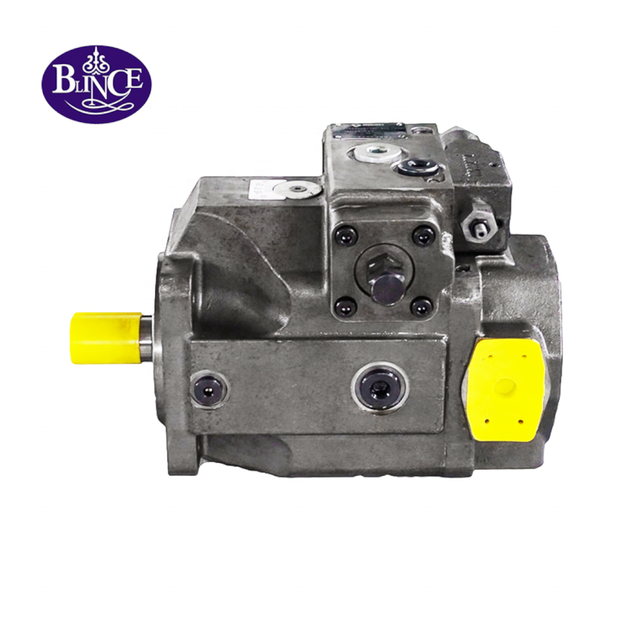
Every now and then, someone in a workshop will ask a very practical question: if a hydraulic motor can turn when oil flows through it, can we drive the shaft from outside and make it work as a pump? On paper, the idea sounds reasonable. In the field, it is not that simple.
A hydraulic motor may push oil out when it is back-driven, but that does not mean it is ready to replace a normal hydraulic pump. The trouble usually starts at the inlet side. A pump is built to take oil in smoothly. Many motors are not. Once the inlet cannot get enough oil, cavitation, heat, leakage, noise, and poor output flow can appear very quickly.
So the better question is not “Can it produce flow?” It is “Can it produce flow safely, continuously, and without damaging the motor or the rest of the hydraulic system?”
Quick Answer: A Motor Can Be Back-Driven, But It Is Not Automatically a Pump
hydraulic pump vs hydraulic motor,A hydraulic pump turns mechanical power into hydraulic power. A hydraulic motor turns hydraulic power back into mechanical rotation. Because the energy direction looks reversible, people often assume the components can simply swap jobs.
In real equipment, the internal oil passages are not always designed that way. A pump normally has an inlet passage made for low-resistance oil supply from the tank. A motor usually has two working ports made to accept pressurized oil. These ports may be fine for driving the motor, but they may be too restrictive when one side suddenly becomes the suction side.
This is why a motor may rotate and still perform badly as a pump. It may need positive inlet pressure. It may need a case drain. It may lose too much flow through internal leakage. It may also overheat if the duty cycle is longer than expected. Before treating any motor as a pump, the circuit has to be checked as a whole, not just by the shaft rotation direction.
Why Do People Try to Use a Hydraulic Motor as a Pump?
Most cases begin with a real machine problem. A spare motor is on the shelf. A pump has failed. A designer wants to save space. Or a machine has a moving load that keeps driving the motor after the main oil supply has been reduced. In these moments, using a motor as a pump can look like a shortcut.
You may see this idea in several situations:
Overrunning loads: A winch, wheel drive, conveyor, or flywheel continues moving and drives the motor shaft.
Inertial systems: A heavy rotating mass keeps spinning during deceleration and pushes oil through the motor.
Test benches: A motor is driven by another motor to check whether it can create pressure or flow.
Temporary repair work: A workshop tries to keep a machine running before the correct pump arrives.
Regenerative hydraulic circuits: Some systems are designed to absorb or reuse energy, but these circuits need proper charge pressure, relief protection, and cooling.
Among these cases, overrunning load is the most common and also the easiest to misunderstand. The motor is not working like a normal open-circuit tank-fed pump. It is being forced into pump mode by the load. If the low-pressure side is not filled properly, the motor may suffer before the operator notices anything serious on the pressure gauge.
Hydraulic Pump vs Hydraulic Motor: What Changes in Pump Mode?
The difference is not only the name stamped on the housing. The oil inlet path, leakage path, seal loading, housing pressure, bearing condition, and heat balance can all change when a motor is driven from the shaft side. The table below gives a practical comparison.
Item
Dedicated Hydraulic Pump
Hydraulic Motor Used as a Pump
Risk Level
Inlet design
Usually designed for smooth oil supply from tank
Working port may be too restrictive as a suction port
High
Cavitation resistance
Managed through proper suction design and rated inlet limits
Often needs boost pressure, charge oil, or a flooded inlet
High
Case drain
Designed around pump leakage and housing pressure
Case pressure may rise if the drain line is small or restricted
Medium to high
Shaft seal
Matched to pump pressure direction and leakage path
May face pressure or vacuum conditions outside its normal duty
Medium
Efficiency
Rated for pump duty
Actual flow may be lower because of leakage and friction
Medium
Heat generation
Predictable when the pump is selected correctly
Can rise quickly under leakage, restriction, or relief flow
High
Service life
Stable when used within rated conditions
Uncertain unless the manufacturer approves the application
High
The First Risk: Cavitation at the Motor Inlet
Cavitation is often the first failure point. When a motor is back-driven, one port becomes the inlet. If oil cannot enter that port fast enough, the pressure drops. Vapor bubbles form in the oil and then collapse in higher-pressure areas. That collapse can damage metal surfaces inside the unit.
In a workshop, cavitation is not always found with a calculator first. It is usually heard. The motor or pump section may sound rough, like there are small stones or marbles moving inside. Flow becomes unstable. The system may feel weak. Oil temperature may rise faster than normal. If the machine keeps running this way, the damage can spread into the whole hydraulic circuit through contamination.
To reduce cavitation risk, the inlet side needs careful treatment:
Use a short and large enough inlet line.
Avoid small fittings, sharp bends, blocked strainers, and unnecessary restrictions.
Keep the reservoir oil level high enough during operation.
Make sure the tank breather is clean and not blocked.
Use boost pressure, a charge pump, or a flooded inlet when the motor cannot feed itself.
If the inlet cannot be kept full of oil, using a motor as a pump is usually a false economy. The cost saved on one component may come back as seal failure, internal scoring, oil contamination, and machine downtime.
The Second Risk: Shaft Seal and Case Drain Pressure
Many motors have internal leakage by design. This leakage lubricates internal parts and is normally returned through a case drain. In normal motor use, the leakage path and housing pressure are usually within the expected range. In pump mode, that balance may change.
A restricted drain line, a high-back-pressure return path, or an air pocket inside the housing can raise case pressure. Once housing pressure climbs, the shaft seal may start leaking. In some piston motor designs, poor case drainage can also affect lubrication and internal contact surfaces. The motor may run for a short time and still be losing life every minute.
Before testing any motor as a pump, check these items:
Does this motor need a case drain line?
What is the maximum allowable case pressure?
Is the drain line large enough for the leakage flow?
Does the drain return directly to tank without back pressure?
Is the motor housing filled with oil before start-up?
Is the shaft seal suitable for the pressure direction in this circuit?
If the datasheet does not answer these questions, do not guess. Ask the hyraulic supplier before running the test.
The Third Risk: Pressure Spikes from Inertia
A heavy moving load can turn a hydraulic motor into a pump whether the operator wants it or not. This happens on wheel drives, conveyors, winches, flywheels, and similar equipment. If the oil path is suddenly closed or restricted, the moving load may force the motor to push oil into a blocked line. Pressure can rise very fast.
This is why pump-mode operation needs pressure protection. Depending on the machine, engineers may use a relief valve, cross-port relief valve, anti-cavitation valve, accumulator, brake valve, or controlled deceleration circuit. There is no single answer that fits every machine. Load inertia, stopping time, oil flow, motor displacement, and maximum working pressure all matter.
On mobile machinery, the issue is not only component damage. A pressure spike can also affect braking feel, travel smoothness, steering behavior, or the way the machine stops on a slope. If the equipment carries people, heavy loads, or expensive tooling, the circuit should be reviewed before the test starts.
The Fourth Risk: Low Efficiency and Heat
A motor may generate oil flow when back-driven, but the actual flow is usually lower than the theoretical number. Internal leakage increases as pressure rises. Mechanical friction also takes part of the input torque. At low speed and higher pressure, the difference between calculated flow and real output can become quite obvious.
Heat is the next problem. Lost power turns into heat inside the oil. Hot oil becomes thinner, leakage gets worse, seals age faster, and the system becomes less stable. If the circuit is frequently going over relief, the temperature can climb even faster.
For any long-running test, cooling should not be treated as an afterthought. A properly selected hydraulic heat exchanger may be needed when the motor is used in a demanding duty cycle, especially where leakage, pressure, and relief flow are difficult to avoid.
When Can a Hydraulic Motor Work in Pump Mode?
There are cases where a hydraulic motor can work in pump mode. The key is that the circuit must be designed for it. Simply connecting one port to tank and driving the shaft is not enough.
Application Situation
Possible?
Important Condition
Recommended Action
Overrunning load drives the motor
Yes, in many circuits
Both ports must stay filled with oil and protected from pressure spikes
Use anti-cavitation and pressure-control valves
Temporary low-pressure oil transfer
Sometimes
Low pressure, low speed, positive inlet pressure, short duty cycle
Test carefully and monitor temperature
Continuous pump replacement
Usually not recommended
Efficiency, inlet condition, seal life, and cooling must be verified
Select a dedicated hydraulic pump
High-pressure cylinder power unit
High risk
Torque demand and internal leakage may be much higher than expected
Requires charge pressure, control valves, cooling, and full circuit design
Use engineered pump-motor solutions
Checklist Before Using a Hydraulic Motor as a Pump
Before running the motor, go through the following checklist. These points may look basic, but in real troubleshooting they are often the difference between a clean test and a damaged unit.
1. Confirm the Motor Type and Manufacturer Limits
Do not assume all hydraulic motors behave the same way. Gear motors, orbital motors, vane motors, axial piston motors, and radial piston motors have different leakage paths, bearing structures, drain requirements, and speed limits. Some may tolerate limited pump-mode operation. Others should not be used that way at all.
2. Calculate Flow from Displacement and Speed
Theoretical flow comes from displacement and shaft speed. Real flow will be lower because of internal leakage. The higher the pressure, the more important this leakage becomes. If the motor is expected to drive a cylinder or maintain pressure, the real output must be tested, not assumed.
3. Check the Required Input Torque
A motor used as a pump needs more than rotation. It needs enough shaft torque to build pressure. A small electric motor may spin the hydraulic motor freely with no load, but stall once the outlet pressure rises. Gear reduction can increase torque, but it also reduces speed and flow.
4. Protect the Inlet from Vacuum
The inlet side must receive oil easily. A large suction line, low-resistance fittings, a high-mounted tank, or a small charge pump may be needed. If the unit starts making cavitation noise, stop the test first. Do not continue and hope the sound will disappear.
5. Add Relief and Anti-Cavitation Protection
Never test a back-driven motor against a closed oil path. A relief valve or pressure-control valve should be installed for the expected flow. In overrunning load systems, anti-cavitation valves help keep the low-pressure side full of oil.
6. Watch Oil Temperature
Temperature tells a lot. If the oil heats quickly during a short test, there may be too much leakage, restriction, or relief flow. Changing to thicker oil is not always the answer. In some cases, thicker oil makes inlet flow worse and increases cavitation risk.
7. Use Proper Hose and Fitting Size
A small hose can make a good component behave badly. Inlet and return lines should match the required flow. Avoid sharp bends and undersized fittings. If the circuit needs replacement parts, properly selected hydraulic hoses and fittings can help reduce pressure drop and improve oil return.
Safer Alternatives to Using a Motor as a Pump
If the purpose is to power a cylinder, build a power unit, or replace a failed pump, a dedicated pump is usually the cleaner choice. It is easier to size, easier to cool, and easier to maintain. It also removes many of the inlet and seal questions that come with pump-mode motor operation.
Possible alternatives include:
Gear pump: A simple choice for many compact power units and moderate-pressure systems.
Vane pump: Suitable for smoother flow in many industrial hydraulic systems.
Piston pump: Better for high-pressure, variable-flow, or heavy-duty applications.
Reversible pump-motor unit: Suitable where bidirectional power conversion is part of the original design.
Hydraulic valve solution: In overrunning load problems, the right hydraulic valve arrangement may solve the control issue without forcing the motor to work outside its comfort zone.
For most buyers, the safer path is to define flow, pressure, speed, oil type, duty cycle, and installation space first. After that, the correct pump, motor, valve, cooler, or power unit can be selected with fewer surprises.
How Blince Helps with Hydraulic Motor and Pump Selection
Blince supplies hydraulic motors, pumps, valves, hoses, heat exchangers, and customized hydraulic solutions for agricultural machinery, construction equipment, industrial machinery, and mobile hydraulic systems. If your machine has overrunning load, motor heating, cavitation noise, unstable flow, or uncertain pump and motor matching, the answer may not be one replacement part. The full circuit may need to be checked.
When sending an inquiry, please include the motor model, displacement, working pressure, flow, shaft speed, oil type, rotation direction, duty cycle, load condition, and hydraulic schematic if available. Photos of the installation are also useful. These details help Blince judge whether a motor, pump, valve block, cooler, or complete hydraulic solution is the better option.
You can also read more practical selection and troubleshooting topics in the Blince product news section.
FAQ: Hydraulic Motor Used as a Pump
1. Can any hydraulic motor be used as a pump?
No. Some motors can produce flow when back-driven, but that does not mean they are suitable for normal pump duty. The motor type, inlet condition, case drain, pressure, speed, and duty cycle all need to be checked.
2. Why does a hydraulic motor cavitate when used as a pump?
Cavitation usually happens because the inlet side cannot receive enough oil. Many motors do not have the same low-resistance suction passage as a pump, so they may need positive inlet pressure or charge flow.
3. Is a gear motor better than an orbital motor for pump mode?
It depends on the design. Gear-type units may be simpler in some cases, but they still need proper inlet supply, seal protection, pressure control, and temperature monitoring. The supplier’s limit should be checked first.
4. Can I use a hydraulic motor as a pump for a hydraulic cylinder?
For a short low-pressure test, it may work in some cases. For regular cylinder operation, a dedicated hydraulic pump is usually safer and easier to size.
5. What happens if the motor inlet is restricted?
The unit may become noisy, lose flow, heat up, and suffer cavitation damage. If metal particles enter the oil, other hydraulic components may also be affected.
6. Do I need a relief valve?
Yes. A back-driven motor can create pressure if the outlet is restricted or blocked. A suitable relief valve or pressure-control valve helps protect the circuit.
7. Does case drain matter in pump mode?
Yes. Case pressure affects shaft seal life and internal lubrication. A restricted or wrongly connected drain line can damage the motor.
8. Why is the actual flow lower than the calculated flow?
Calculated flow is based on displacement and speed. Actual flow is lower because internal leakage and friction take part of the input energy, especially at higher pressure.
9. When is a motor acting as a pump normal?
It can happen in overrunning load applications such as winches, wheel drives, conveyors, and flywheel systems. In these cases, the circuit must control pressure and prevent cavitation.
10. What should I send to Blince for selection support?
Please send the motor or pump model, displacement, pressure, flow, speed, oil type, working cycle, load condition, installation photos, and hydraulic schematic if available. This helps confirm whether a motor, pump, valve, cooler, or full hydraulic system solution is more suitable.
Blince Hydraulic is a professional hydraulic components supplier focused on practical and reliable solutions for mobile machinery, agricultural equipment, construction machinery, and industrial hydraulic systems. We provide a wide range of hydraulic products, including hydraulic motors, hydraulic pumps, hydraulic valves, hydraulic hoses and fittings, heat exchangers, cylinders, and customized hydraulic system solutions.
With years of experience in hydraulic product selection and international supply, Blince helps customers choose suitable components based on working pressure, flow rate, displacement, speed, oil type, installation space, and real machine conditions. Whether you need a replacement hydraulic motor, a pump for a power unit, or a complete hydraulic solution, our team can help you check the working conditions and recommend a practical option.
If you are not sure whether a hydraulic motor can be used in your application, or you need help selecting the right pump or motor, please send us the model number, photos, hydraulic schematic, pressure, flow, speed, and quantity. Our team will review the details and provide a suitable solution and quotation as soon as possible.