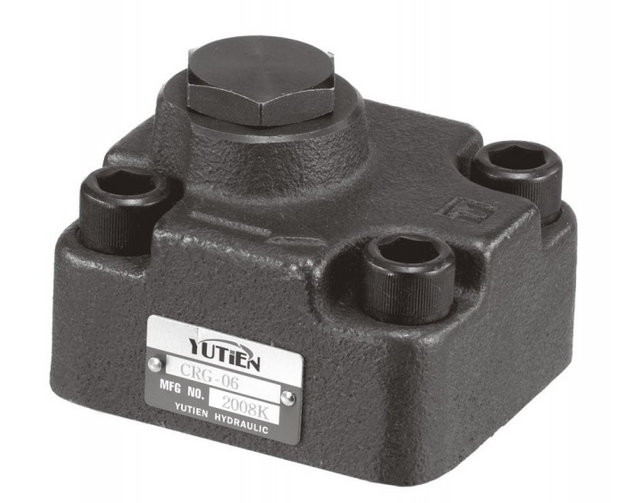
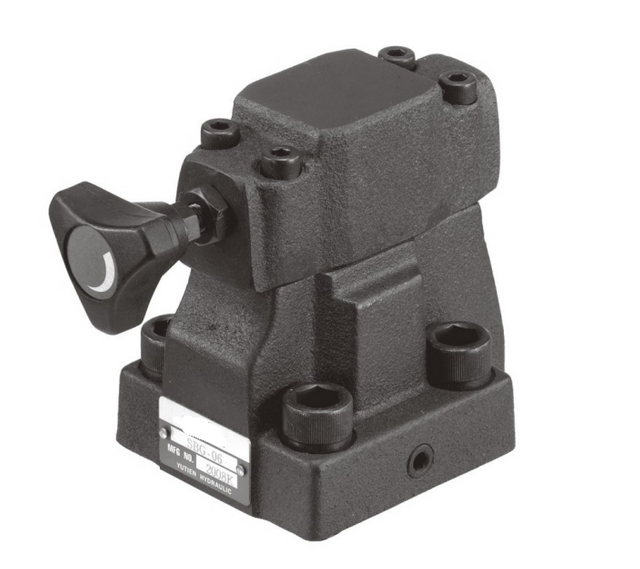
A hydraulic flow control valve rarely gets named first. On the phone, the complaint sounds plainer: the cylinder crawls when the lever is feathered, the motor loses blade speed after lunch, or one function behaves until the operator pulls a second lever. In that moment, the knob is only one clue. The rest of the hydraulic flow control valve circuit still has to be read.
The first repair idea is usually quick. Open the valve. Fit a larger pump. Blame the actuator. One of those may be right, but the slower answer is often hiding in a return hose, a narrow coupler, a half-shifted directional spool, or a pump that falls short once the oil thins out. If the trouble began after a hose or attachment change, the hydraulic quick coupler pressure drop guide is worth reading before parts are ordered.
This article is for the buyer or mechanic who has enough information to be worried, but not enough to pick a part number with confidence. It keeps the flow valve in view, while also checking pump and motor matching, cylinders, hoses, fittings, oil temperature, and pressure readings. Most speed problems do not stay inside one tidy component box.
Why Trust This Guide
Blince supplies hydraulic valves, motors, pumps, cylinders, hoses, fittings, coolers, pressure gauges, and related parts. That product range is not listed here for decoration. It matters because a flow complaint may be a bad valve, or it may be pump delivery, actuator leakage, return pressure, dirty oil, or a circuit that is making a small metering edge burn off power all day.
It still helps to have a schematic. A bench test is better when the valve is already on the table. In the field, though, the order is simpler: watch the movement, find the metering point, then compare pressure before and after the restriction. After that, the next step may be a hydraulic flow control valve, a compensated valve, a hose correction, or no valve change at all.
Start With the Movement, Not the Valve Knob
Before choosing a hydraulic flow control valve, describe the movement that is wrong. Does a cylinder slow down only under load? Does a motor run well cold and then fade after twenty minutes? Does a lift table creep at low speed but move smoothly at full flow? Those questions place the complaint in the circuit more clearly than a catalog phrase such as "3/8 hydraulic flow control valve," and they also decide whether the hydraulic pressure gauge placement guide should be used before any valve is ordered.
The outside adjustment can mislead the repair. Two handles may sit in the same position while the internal passage, check direction, compensator, and pressure drop are not alike at all. An old worn valve may also hide a problem by leaking more than the new one. For that reason, the old handle position is a hint, not a replacement for real hydraulic pressure readings.
For field work, write the failure in plain language first. A good note might say: "boom down speed is uneven when warm," "conveyor motor loses speed when the oil cooler fan starts," or "clamp cylinder moves smoothly out but jerks back through the one way flow control valve." That note gives the supplier more value than a thread size, especially when it is paired with photos of the hydraulic hoses and fittings around the valve.
What a Hydraulic Flow Control Valve Actually Changes
A hydraulic flow control valve changes how much oil passes through a part of the circuit. That flow affects actuator speed: a cylinder moves according to useful flow and piston area, while a hydraulic motor turns according to useful flow and motor displacement; Blince's hydraulic pump motor matching guide explains why flow, pressure, and oil temperature have to be read together.
The valve does not create useful flow by itself. Give it a weak pump, a tight return line, an undersized directional valve, or an actuator with internal leakage, and it may simply make the weakness easier to see. Start with the available flow from the hydraulic pump. Then ask whether the oil can get through the rest of the circuit without being spent as pressure drop and heat.
The basic valve types are easy to name, but the details matter. A needle valve, throttle valve, one way flow control valve, pressure compensated flow control valve, and flow divider can all be sold as flow control parts, yet each one answers a different circuit question; Blince's older article on how a hydraulic flow control valve works is a useful background page, while this guide focuses on field failure patterns.
Valve or circuit feature
What it mainly does
Where it usually helps
What can go wrong
Throttle or needle valve
Restricts flow through an adjustable passage
Simple speed adjustment with stable load
Speed changes when load or pressure changes
One way flow control valve
Meters one direction and allows freer reverse flow
Cylinder extension or retraction speed control
Direction may be wrong, or return pressure may rise
Pressure compensated flow control valve
Reduces flow change when pressure changes
More stable speed under changing load
Needs enough pressure differential to work
Flow divider or combiner
Splits or combines flow between branches
Parallel cylinders or dual motor circuits
It cannot fix unequal loads by magic
Valve block metering edge
Meters oil inside a manifold or directional valve
Compact mobile equipment circuits
Internal passages can be too small for upgraded flow
Why Speed Changes When the Load Changes
A simple throttle valve depends on pressure difference. If pressure before and after the valve changes, the flow through the valve changes too. That is why a cylinder may move smoothly in the shop but creep on the machine, and why a motor may hold speed at light load but slow down when a brush cutter, auger, sweeper, or conveyor begins real work through a hydraulic motor.
The useful question is not only "what is the maximum flow?" The better question is: how much pressure drop does the valve create at the required flow, with the oil temperature and viscosity expected in the machine? This is the same diagnostic habit used in Blince's hydraulic pressure gauge placement guide, where one normal gauge reading is not enough to understand the working condition.
Pressure compensated flow control can help when load changes, but it is not a cure for every circuit. It still needs enough inlet pressure, a clean oil path, a correct return route, and a pressure range that keeps the compensator active. If the pump is already short of flow, or if the return line is restricted, a pressure compensated valve may look like a better part while the same directional valve and pressure drop problem stays in place.
Meter-In, Meter-Out, And Bypass Control Are Different Decisions
Meter-in control restricts oil going into the actuator. It is easy to understand and common on simple machines, but it may not control an overrunning load well. A lowering boom, tilting bed, clamp release, or gravity-assisted cylinder may need a different question, especially if the load can pull oil through the actuator faster than the pump is feeding it; the hydraulic cylinder drift guide gives useful context for load movement that continues after the lever is neutral.
Meter-out control restricts oil leaving the actuator. It can give better control on some overrunning loads because movement depends on oil leaving the cylinder or motor. The tradeoff is return pressure. If the outlet side pressure becomes too high, the actuator may slow down, seals may see extra load, and a motor may lose usable torque; this is why the return side of hydraulic hoses and fittings deserves the same attention as the pressure side.
Bypass control diverts part of the pump flow away from the actuator. In some simple circuits it works, but the bypassed oil still carries energy, and that energy often becomes heat. If a machine uses bypass flow for long continuous work, check oil temperature, relief flow, tank return, and cooler capacity before assuming the valve is undersized; Blince's hydraulic oil cooler sizing guide explains how heat source and cooling capacity should be separated.
Control position
Useful question
Common risk
Related check
Meter-in
Can inlet flow control the load safely?
Overrunning load may pull ahead
Compare pump flow and load direction
Meter-out
Can outlet restriction control motion without excess pressure?
High return pressure and heat
Measure actuator outlet pressure
Bypass
Can unused flow return without wasting too much power?
Continuous heat generation
Check relief flow and oil temperature
Pressure compensated
Is there enough pressure differential for compensation?
Valve leaves its stable range
Measure valve inlet and outlet pressure
Pressure Drop Turns Speed Control Into Heat
Every flow control valve creates pressure drop when it meters oil. Some pressure drop is the price of control. Too much pressure drop becomes heat, noise, and lost power. A valve that feels acceptable at 20 L/min may become a heater at 60 L/min, especially if it is followed by a small hose, quick coupler, return filter, or cooler in the hydraulic heat exchanger path.
The first sign may not be a failed valve. The operator may report that the machine feels lazy after lunch, the tank gets too hot to touch, or a hydraulic motor loses blade speed during continuous work. Those complaints are often blamed on the pump or cooler, but the heat may come from a flow control valve that is doing too much throttling during normal operation; the hydraulic oil cooler sizing guide is relevant when the symptom is heat after a speed adjustment.
If heat started after a valve change, compare old and new internal bore, rated flow, pressure drop curve, check valve direction, and installation position. Do not judge by thread size alone. Thread size proves that the valve can be installed; it does not prove that the internal path can carry the required flow, the same lesson shown in Blince's quick coupler pressure drop guide.
Pump Flow And Valve Flow Must Agree
A hydraulic pump may deliver more oil than the actuator can use at the selected speed. If that extra flow is forced across a small metering edge or across a relief valve, the system can run hot. A larger pump is not always a better pump for speed control, and a smaller flow control valve is not always the reason the machine is slow; the real question is how the hydraulic pump motor matching works during the duty cycle.
Pump condition matters too. A worn pump may build pressure for a short test and still deliver poor useful flow. Cold oil can flatter it; hot oil is less forgiving. If the valve is open and the actuator still crawls, test pump flow and pressure under load before condemning the valve. Weak force, foamy oil, or pump noise should also send you back to inlet conditions, where the hydraulic tank breather guide can help.
Variable pump systems add another layer. If the signal line is wrong, the compensator is sticky, or standby pressure is off, a load-sensing pump may never send the flow the actuator is waiting for. Opening the flow control valve will not create a command the pump has not received. That is when the visible valve gets blamed while the fault sits farther back in the pressure testing path.
Return Pressure Is Still Pressure
Return pressure is easy to ignore because it sits on the "low pressure" side of the circuit. In practice, high return pressure can reduce cylinder force, reduce motor torque, increase heat, and damage seals. A hydraulic flow control valve on the return side should therefore be checked with a gauge, not judged by hand temperature alone; Blince's hydraulic pressure gauge placement guide gives the basic testing logic.
For a hydraulic motor, outlet pressure is not harmless. The motor works from pressure difference between inlet and outlet. If outlet pressure rises because of a small flow control valve, tight coupler, undersized return hose, or blocked cooler, usable torque falls while the pump outlet gauge may still look normal; this is exactly why hydraulic motor complaints need inlet, outlet, and case drain pressure when relevant.
For a cylinder, return pressure changes the force balance. In a double-acting cylinder, both sides of the piston can carry pressure at once. A tight meter-out valve may push rod-side pressure high enough to make extension feel weak or uneven. Add a load-holding valve and the picture gets less tidy, which is why the hydraulic cylinder drift troubleshooting guide often belongs beside this test.
Directional Valves And Flow Controls Must Be Read Together
A directional valve may be blamed for a speed complaint, or it may be the reason a flow control valve looks bad. If the directional spool does not shift fully, if the spool center is wrong, or if the valve is too small for the upgraded flow, oil may lose pressure before it reaches the flow control valve. The article hydraulic directional control valve selection guide explains why flow rating and spool behavior matter.
Some mobile machines meter flow through the directional valve spool itself. Feathering the lever is useful, but it is still a hand-controlled opening, shaped by spool geometry, load pressure, oil viscosity, and wear. If the operator needs repeatable slow movement, the answer may be a separate flow control, pressure compensation, proportional control, or a different directional control valve package.
The neutral position also matters. If the directional valve blocks pump flow in neutral, the pump may work against relief. If it unloads to tank, available pressure behaves differently. If it traps pressure in an actuator line, a one way flow control valve or quick coupler may refuse to connect or release smoothly. These details connect flow control to the broader quick coupler pressure drop story, not just the valve body.
Oil Temperature Changes the Adjustment
Oil temperature changes viscosity, leakage, pressure drop, and metering behavior. A valve adjusted in a cold shop may not hold the same actuator speed after the machine works for thirty minutes. Hot oil can pass through clearances more easily, can increase internal leakage in pumps and actuators, and can make a once-stable speed control feel soft; the hydraulic contamination control guide is useful because oil condition changes more than cleanliness alone.
A cold oil problem can point the other way. Thick oil may make a fine metering edge act too restrictive, especially through small hoses, filters, or coolers. A valve that seems too small during cold start may be acceptable once oil warms, while a system that only fails hot may have leakage or heat generation that a short cold test never reveals; this is why hydraulic heat exchange should be checked with temperature trend, not a single touch test.
For repeatable adjustment, record oil temperature while setting speed. A practical note might say: "conveyor motor set at 48 rpm with oil at 45 C, pump outlet 120 bar, motor outlet 18 bar." That kind of note helps future repairs much more than "flow valve opened three turns," and it gives a buyer useful context when asking for hydraulic pressure gauge placement and test points.
Contamination Can Make a Small Metering Valve Look Unstable
A flow control valve has small passages. Dirt, hose liner particles, seal fragments, water, varnish, or metal debris can make a needle, spool, compensator, or check valve behave inconsistently. The symptom may appear as jerky movement, speed that changes after adjustment, or a valve that works after cleaning and then fails again; Blince's hydraulic contamination control guide explains why the failed part is often not the entry point.
If a pump failed recently, treat the oil path as suspect before installing a new flow control valve. Pump debris can move through a manifold, lodge in a small valve passage, and return later to damage the next component. Replacing the valve without flushing lines, changing filters, and inspecting the tank can turn one repair into a repeating hydraulic contamination control problem.
Water and air also matter. Air can make a low-speed cylinder feel springy. Water is less dramatic at first, but it attacks lubrication and starts corrosion where nobody is looking. A small flow control valve may be the first part to complain, even though the entry point is the reservoir, filler cap, breather, or suction line. Cloudy or foamy oil is a good reason to review the hydraulic tank breather guide.
Diagnostic Map Before Ordering
Use the map below before ordering a replacement hydraulic flow control valve. It is not a lab procedure, but it prevents the common jump from symptom to part number. Each row should be checked against the real machine, with pressure and temperature readings when possible, and with the related hydraulic pressure testing habit in mind.
Skid steer auxiliary circuits often run attachments that need continuous flow. Brush cutters, sweepers, trenchers, augers, cold planers, and mulchers can expose a flow control problem quickly because the flow does not stop after a short cylinder stroke. If the attachment gets hot while the base machine works normally with others, compare attachment flow demand, coupler size, hose routing, motor case drain, and return pressure with the quick coupler pressure drop guide.
Agricultural Machinery
Agricultural equipment has its own rhythm: months of storage, then long days in heat, dust, fertilizer residue, and plant material. When a flow control valve starts acting up, adjustment is only one suspect. Breathers, hose ends, quick couplers, oil containers, and last season's service habits all deserve a look, especially if the same valve sticks again after cleaning. That is a hydraulic contamination control clue.
Industrial Hydraulic Power Units
Industrial power units often look cleaner, but long duty cycles make energy loss expensive. A small pressure drop that seems acceptable during a short test can become a serious heat source during an eight-hour shift. For a power unit, compare pump control, unloading behavior, valve block pressure drop, cooler flow, and return filter condition with the hydraulic oil cooler sizing guide before approving a new flow control valve.
Cylinder Lift, Clamp, And Press Circuits
Cylinder circuits need more than a speed question. A lift, clamp, press, outrigger, or dump body may need controlled lowering, load holding, and repeatable approach speed. If a simple one way flow control valve is asked to replace a load-holding valve or counterbalance function, the result may be unsafe or unstable; the hydraulic cylinder drift guide is useful when movement continues after the valve is neutral.
Hydraulic Motor Drives
Motor circuits care about flow, pressure differential, outlet pressure, and case drain conditions. A flow control valve that meters the pressure line may set speed, but it may not protect the motor from high return pressure, poor make-up oil, or overheating during continuous load. If the motor is the main complaint, review pump motor matching together with pump flow, valve pressure drop, hose size, and oil temperature.
Practical Checklist Before Ordering
Use this checklist before ordering a hydraulic flow control valve, hydraulic speed control valve, one way flow control valve, or pressure compensated flow control valve. It turns a vague speed complaint into a usable request for hydraulic valve selection.
Question
Why it matters
What actuator is being controlled?
Cylinder and motor circuits need different checks
Which direction needs speed control?
Determines one way flow control direction and meter-in or meter-out choice
What is the required flow range?
Prevents choosing a valve that is too coarse or too restrictive
What pump flow is available?
Confirms whether the valve can receive useful flow
What is the working pressure under load?
Separates flow shortage from pressure shortage
What is the return pressure?
Reveals hidden loss after the actuator
What oil temperature creates the complaint?
Cold and hot oil can behave differently
Did any hose, fitting, coupler, pump, valve, or attachment change recently?
Points to the first suspect instead of the nearest suspect
Is the oil clean and air-free?
Protects small metering passages and compensators
Is the valve replacing a simple throttle, one way flow control, or compensated valve?
Avoids matching only thread size
Common Mistakes Seen in Flow Control Repairs
Mistake 1: Choosing by Thread Size Only
Thread size proves the valve can be installed. It does not prove that the valve can pass the required flow with acceptable pressure drop. If the new valve has the same thread but a smaller internal path, the machine may connect correctly and still run hot or slow; the same mistake appears often in the quick coupler pressure drop guide.
Mistake 2: Using a Simple Throttle Where Load Changes
A simple throttle valve can do honest work in a stable circuit. It just should not be asked to hold the same speed while the load keeps changing. If the job really needs that, check whether pressure compensation, proportional control, or a different actuator strategy belongs in the existing hydraulic valve package.
Mistake 3: Ignoring Return-Side Pressure
Return pressure reduces useful pressure differential. A motor may slow, a cylinder may feel weak, and seals may suffer while the pump outlet gauge still looks acceptable. Before replacing the pump or valve, measure return pressure and compare it with Blince's pressure gauge placement guide.
Mistake 4: Turning Speed Control Into Continuous Heat
Reducing actuator speed by wasting large amounts of pump flow across a valve can make a machine hot. If the oil temperature rises after a speed adjustment, check relief flow, valve pressure drop, bypass flow, cooler flow, and duty cycle before buying a larger hydraulic oil cooler.
Mistake 5: Replacing the Valve Without Cleaning the Oil Path
A new metering valve can fail quickly in a dirty circuit. If debris damaged the first valve, the replacement goes into the same oil unless the tank, filters, hoses, and manifold passages are checked. Do that cleanup first; otherwise the repair is still a hydraulic contamination control problem with a new part installed.
Mistake 6: Setting Speed During a Cold No-Load Test
A cold no-load test can miss the complaint completely. Oil viscosity changes. Leakage changes. Pressure drop and load behavior change too. Set the valve as close to real oil temperature and real load as the job allows, then record readings with the same care used in hydraulic pressure testing.
FAQ
What is the difference between a hydraulic throttle valve and a hydraulic flow control valve?
A hydraulic throttle valve is usually a simple adjustable restriction, while a hydraulic flow control valve may include throttle, one way, pressure compensated, or flow dividing functions. The right name depends on what the circuit needs, so the safest starting point is to compare the actual valve function with Blince's flow control valve basics.
Why does my hydraulic cylinder move unevenly at low speed?
Low-speed cylinder movement can expose air in oil, seal friction, side load, mechanical binding, internal leakage, or an unsuitable metering method. Do not blame the flow control valve alone until cylinder port pressure, oil temperature, and mechanical movement have been checked with help from the hydraulic cylinder drift guide.
Why does the hydraulic motor slow down after the oil gets hot?
Hot oil lowers viscosity and can increase internal leakage in the pump, motor, and valves. It can also make pressure drop and return pressure more obvious. For a motor circuit, measure inlet pressure, outlet pressure, case drain pressure when applicable, and pump flow before replacing the flow control valve, then compare the result with hydraulic pump motor matching.
Can a flow control valve cause hydraulic oil overheating?
Yes. If the valve creates high pressure drop during normal operation, useful pump power becomes heat. The same can happen if the valve forces flow across relief or raises return pressure. When oil temperature rises after a speed adjustment, read the valve together with the hydraulic oil cooler sizing guide.
Should I use meter-in or meter-out control for a hydraulic cylinder?
It depends on load direction, safety requirement, and circuit layout. Meter-in is simple, but meter-out often controls overrunning loads better. If the load can move by gravity or stored energy, consider load-holding and counterbalance needs instead of relying only on a one way flow control valve, and review the hydraulic cylinder circuit before ordering.
Is a pressure compensated flow control valve always better?
No. It can improve speed stability when pressure changes, but it needs enough pressure differential, clean oil, correct orientation, and a suitable flow range. In a dirty, simple, low-precision circuit, a simpler valve may be more practical, while a high-duty circuit may justify a compensated hydraulic valve.
Why did a new flow control valve make the machine hotter?
The new valve may have a smaller internal passage, a different pressure drop curve, a reversed check direction, or a compensation range that does not fit the machine. It may also have exposed an old restriction in the return line. Compare valve inlet and outlet pressure, then check hoses, couplers, and the hydraulic oil cooler return path.
What information should I send before asking for a replacement valve?
Send the machine model, actuator type, required speed, pump flow, working pressure, return pressure if known, oil temperature, old valve model, valve photos, hose and fitting photos, and a short failure story. Those details help Blince review the valve together with hydraulic test points, fittings, gauges, and related circuit parts.
Final Takeaway
Hydraulic flow control valve selection should begin with the movement, not the knob. A slow cylinder, unstable hydraulic motor, hot oil tank, or jerky actuator may involve the valve, but it may also involve pump flow, return pressure, oil temperature, contamination, hose bore, coupler pressure drop, or actuator leakage across the flow control valve working path.
Do not let a matching thread size close the diagnosis too early. Ask where the oil is metered, what pressure exists before and after the valve, whether the load is changing, and what happens after the oil warms. That habit often saves more money than the next replacement part, especially when the same complaint touches pump and motor matching, valves, hoses, cylinders, motors, and coolers at the same time.
For hydraulic flow control valve selection, hydraulic speed control troubleshooting, one way flow control replacement, or pressure compensated valve review, send Blince the machine type, pump flow, actuator details, valve photos, oil temperature trend, pressure readings, hose routing, and the symptom that appeared first. The right flow path usually becomes clearer after the machine story is read together with the hydraulic valve and the rest of the circuit.
This article is a general engineering guide. Final component selection should be based on machine drawings, measured hydraulic data, working conditions, safety requirements, and confirmation from a qualified hydraulic engineer or supplier.
Blince Hydraulic Team
Blince Hydraulic is an industry-leading company dedicated to precision-engineered fluid power manufacturing and custom hydraulic solutions. Backed by decades of deep field expertise in industrial machinery and thousands of successful global deployments, our engineering team focuses entirely on high-performance hydraulic component manufacturing, including specialized orbital motors, high-pressure travel drives motor, and robust directional control valves. Our production infrastructure utilizes state-of-the-art multi-axis CNC machining systems and is fully ISO 9001 certified to guarantee repeatable volumetric accuracy across every single manufacturing run.
We deliver fast, highly dependable, and cost-efficient hydraulic solutions to heavy industry distributors, machinery OEMs, and maintenance crews across more than 150 countries. Whether your active project calls for a small-volume batch of customized shaft profiles or a large-scale production run of severe-duty cast iron gear pump, we configure our flexible production schedules to meet your target lead times with total pricing predictability. Partnering with Blince means securing maximum system efficiency, elite material quality, and uncompromised fluid power professionalism.
To learn more about our complete product lineup, visit our official website: www.blince.com.